
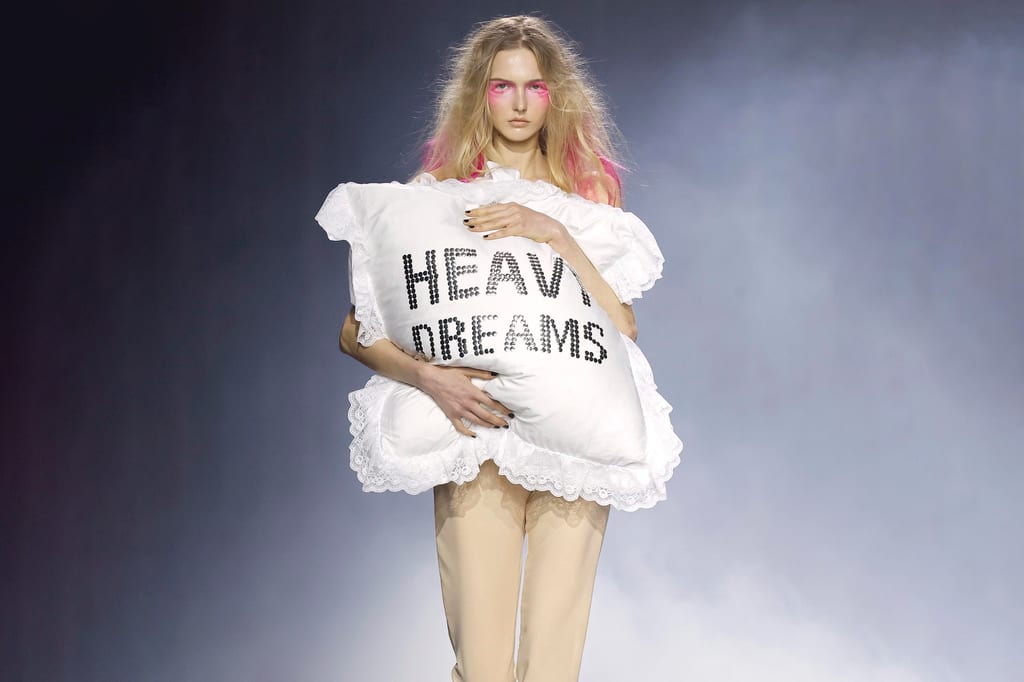
Since the launch of 080 Barcelona Fashion in 2007, the platform has carved out a distinct identity within the global calendar. Rather than competing with legacy capitals alone, it has positioned itself as a space that balances craft and experimentation, emerging talent, local identity and international perspective.
Now, we all know time flies, but this year Barcelona Fashion Week has opened its doors to its 37th edition, reflecting how far its approach has evolved. What began as an initiative to support Catalan fashion has grown into a multidisciplinary showcase where storytelling, sustainability and technique are as important as the silhouettes on show.
This season, that openness translated into collections that moved confidently between past and future, often within the same look. But, the actual question is this: what really went down at Barcelona Fashion Week?
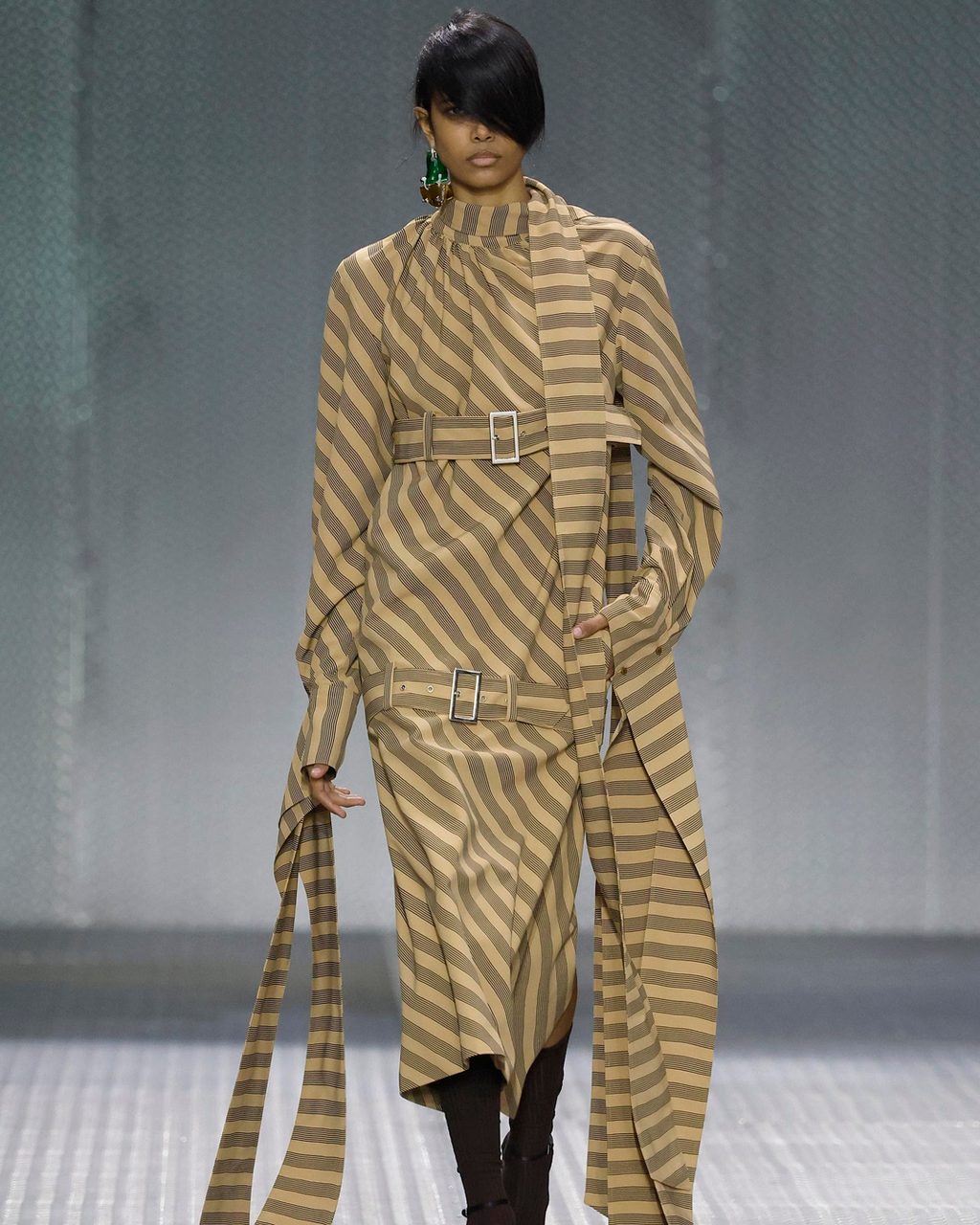
The week opened with Escorpion, a house with nearly a century of history, reaffirming knitwear as both craft and statement. Under Jessica Raya’s direction, the collection treated yarn as a structure rather than decorative tool. Coats, dresses and cardigans were built through volume, with wide sleeves and enveloping necklines shaping the body effortlessly. It was a confident opening, one that suggested tradition can still evolve without losing its core identity.
That sense of history being reinterpreted took on a more emotional tone in the work of Manuel Bolaño. Known for his background in costume design, Bolaño presented a collection that felt intimate and slightly surreal. It’s as if the presentation was drawn from memory rather than a direct reference. For example, handcrafted garments carried echoes of earlier eras, but they were layered with unexpected details. The result was theatrical without being overwhelming, grounded in the slow processes of making.
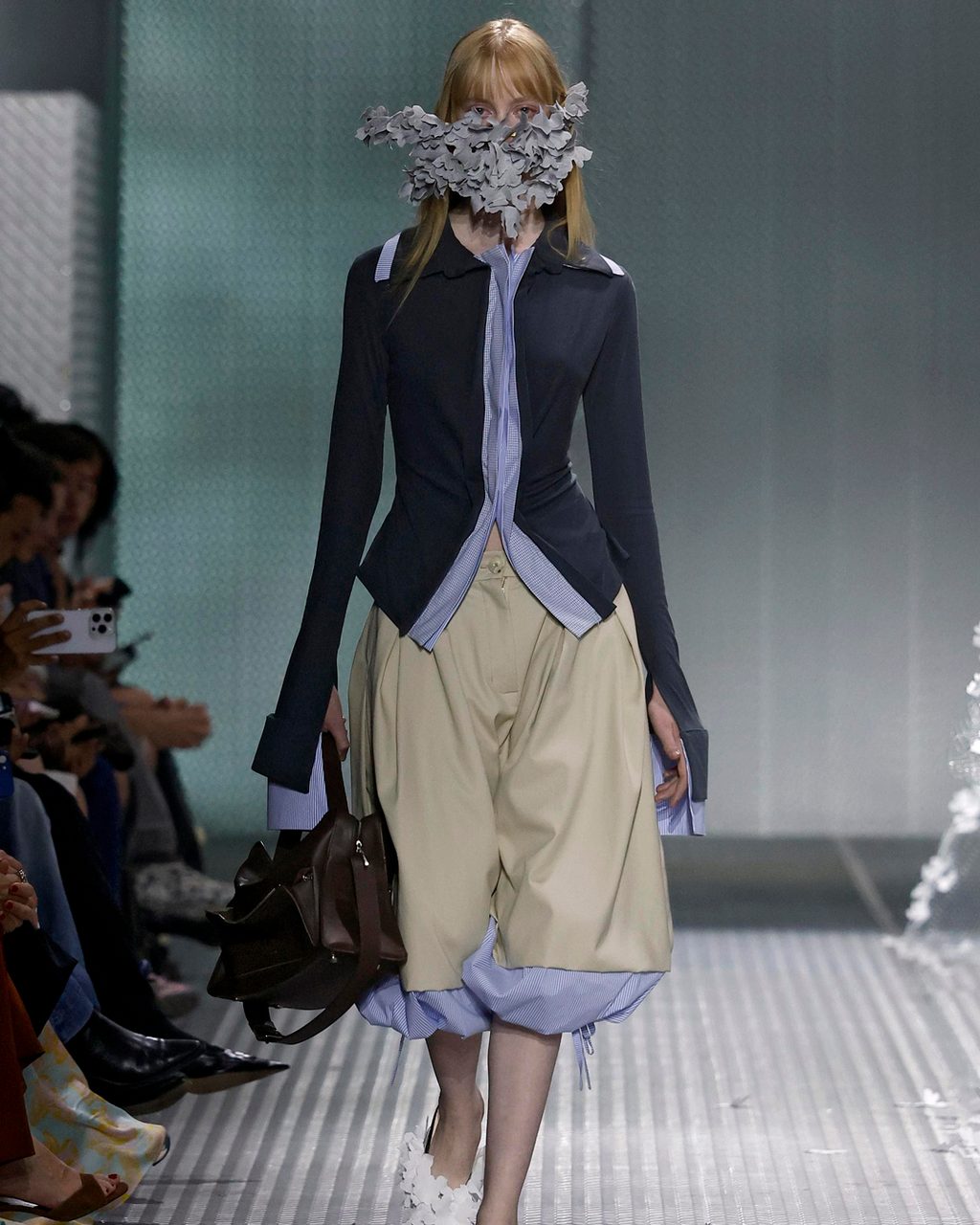
Colour and energy returned to the forefront with Custo Barcelona, whose latest collection embraced contrast as its defining principle. There was a sense of movement throughout, as if each look was designed to shift depending on how it was seen. It reinforced the label’s long-standing confidence while pushing its aesthetic toward something more architectural.
Marking a significant milestone, Adolfo Domínguez used its debut at the event to reflect on five decades of design. Instead of looking directly to the past, the collection transformed familiar elements into something new. Tailoring was loosened, while visual references to the atelier, such as measuring tools, became a part of the design language. A recurring floral motif added a quieter, more reflective layer.
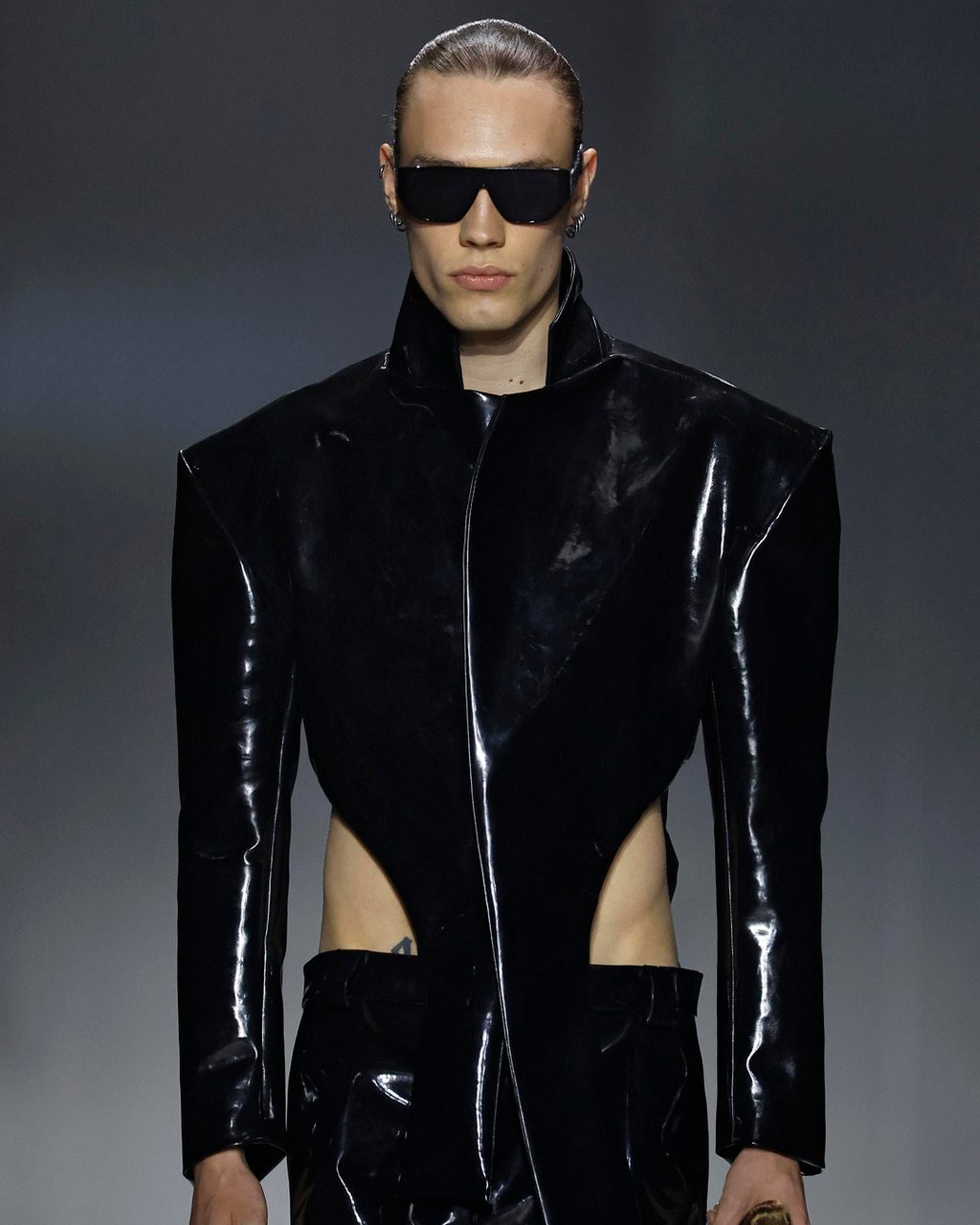
Alongside these established names, a new generation of designers brought a more confrontational and experimental perspective. AAA Studio approached the runway as a space for performance. Its collection centered on garments that could be adjusted, repositioned and reinterpreted, challenging the idea that clothing should have a fixed form. There was an underlying sense of tension that gave the work its energy.
This same level of experimentation continued with DOMINNICO, which marked its tenth anniversary with a collection that balanced strength and softness. Heavier materials like leather and denim were offset by lighter colours and more free-flowing constructions. By including a collaboration with a resale platform, the brand also introduced a subtle commentary on consumption, suggesting that fashion’s future lies in adaptability rather than excess.
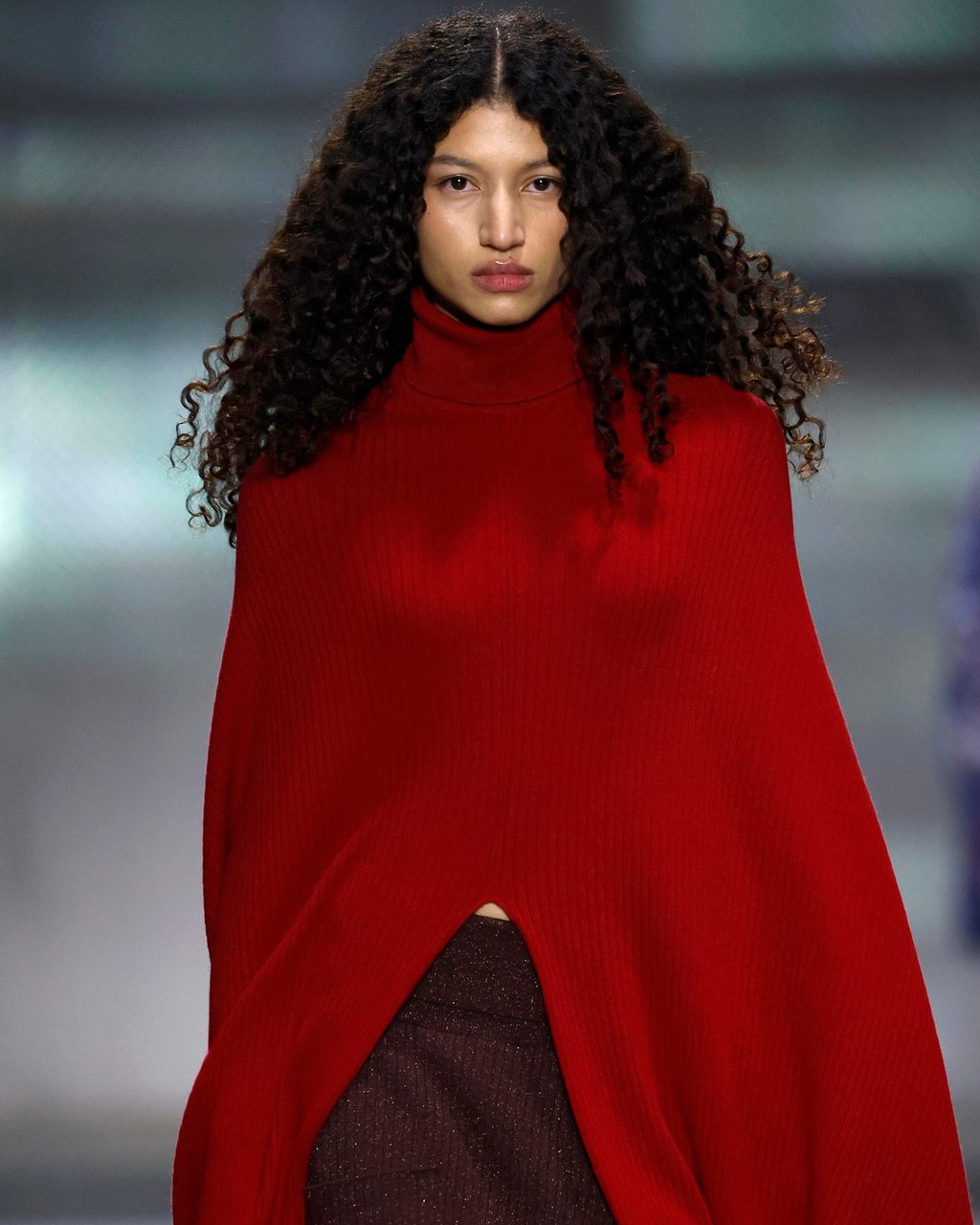
The label led by Carlos Doblas presented a collection that embraced instability as a creative force, while the Madrid-based duo behind BLACKLOT turned to dreams as both concept and method. Their work blurred timelines and references, combining historical silhouettes with more subversive influences. Asymmetry, patchwork and unfinished edges gave the garments a sense of movement.
Sustainability, rather than appearing as a separate category, was embedded within many of the collections. Designers focused on reuse, adaptation and material awareness without sacrificing visual impact. One of the clearest examples of this came from the slow fashion label by David Salvador and Javier Zunzunegui, whose collection explored the idea of “second chances.” Distorted shapes, layered textures and symbolic details such as knots and butterflies suggested transformation.
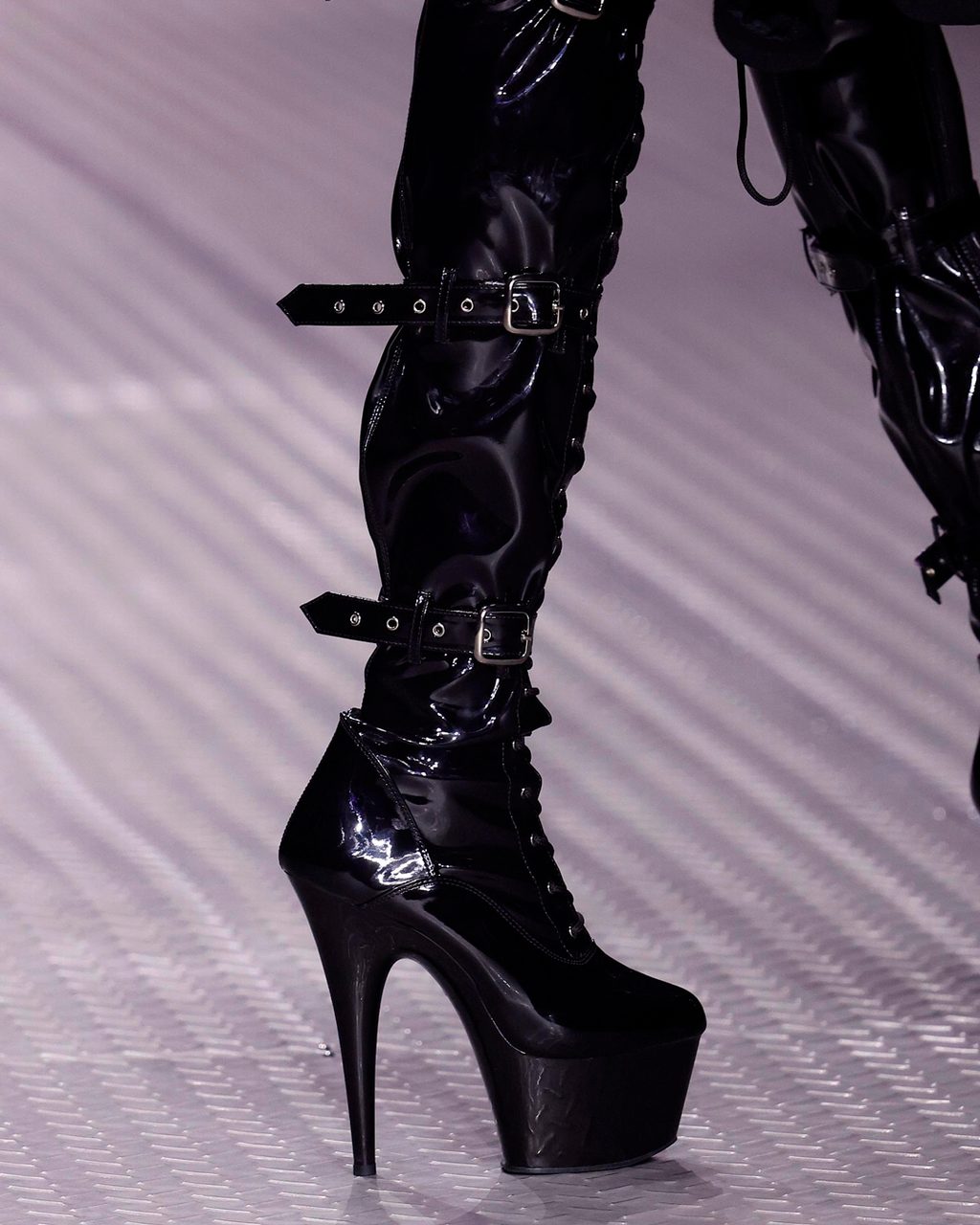
Craft and cultural preservation was central to the work of Nazzal Studio, which offered a deeply tactile and narrative-driven collection. Drawing on Bedouin traditions and Palestinian embroidery, the garments integrated historical techniques into contemporary forms. Natural dyes and hand processes reinforced the connection between material and meaning, positioning heritage as something active.
Elsewhere, Rubearth approached identity through fluidity reworking classic patterns with influences from art and traditional dress. The collection’s adaptability reflected a broader move away from fixed categories.
Closing out the week’s key presentations, EÑAUT explored personal development through form. Structured, padded silhouettes (referencing protective sportswear) were balanced by a colour palette centered on green, symbolising growth. The use of purposed materials tied the idea that evolution in fashion, as in life, often begins with what already exists.
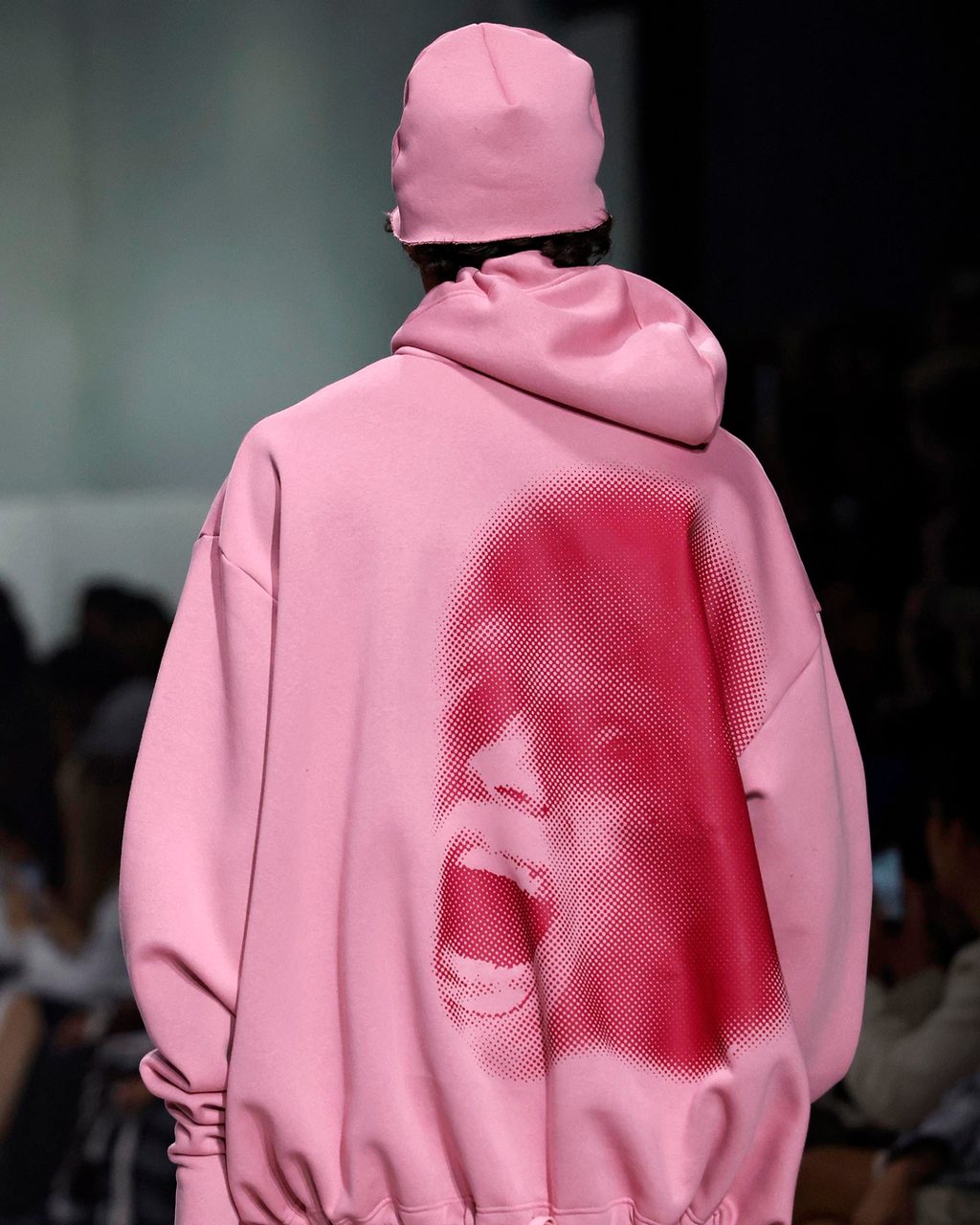
Across all of these collections, what stood out was not a single trend, but a shared willingness to question. Designers moved between disciplines, references and techniques without hesitation, creating work that felt layered. In that sense, Barcelona Fashion Week continues to distinguish itself by challenging tradition.
So, what did we take from Barcelona Fashion Week? It’s a space where fashion is presented as an ongoing conversation. It embraces contradiction, values and process, and reflects the weird, wonderful and complex way we dress and define ourselves today.
More on Culted
See: Jacob Elordi is the new Bleu de Chanel man
See: Mercedes-Benz is doing something big with Culted for International Women’s Day