


Rachel Scott Is Loosening Up Proenza Schouler
Rachel Scott’s Proenza Schouler is starting to come into focus. For Spring 2027, the designer isn’t interested in ripping up the house’s foundations. Instead, she’s taking its famously precise approach to womenswear and making it feel softer, stranger and considerably less uptight.
Presented inside the former Rubin Museum on West 17th Street, the collection feels fittingly New York. There’s an intentional ambiguity to how everything should be worn: gowns don’t necessarily feel reserved for grand occasions, while seemingly everyday pieces have enough drama to carry themselves into the evening. It’s a wardrobe designed for a city where plans change quickly and getting dressed rarely follows a strict set of rules.
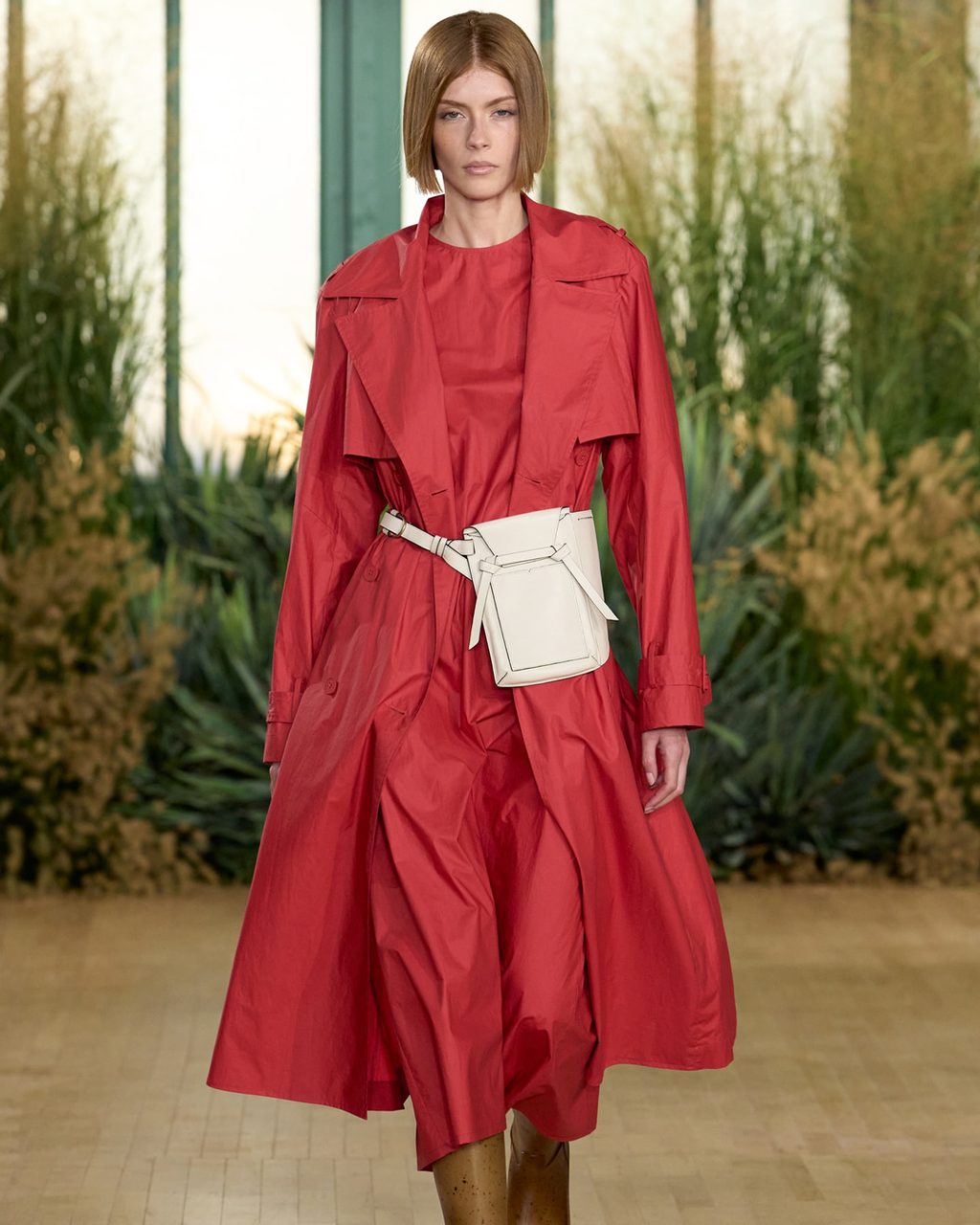
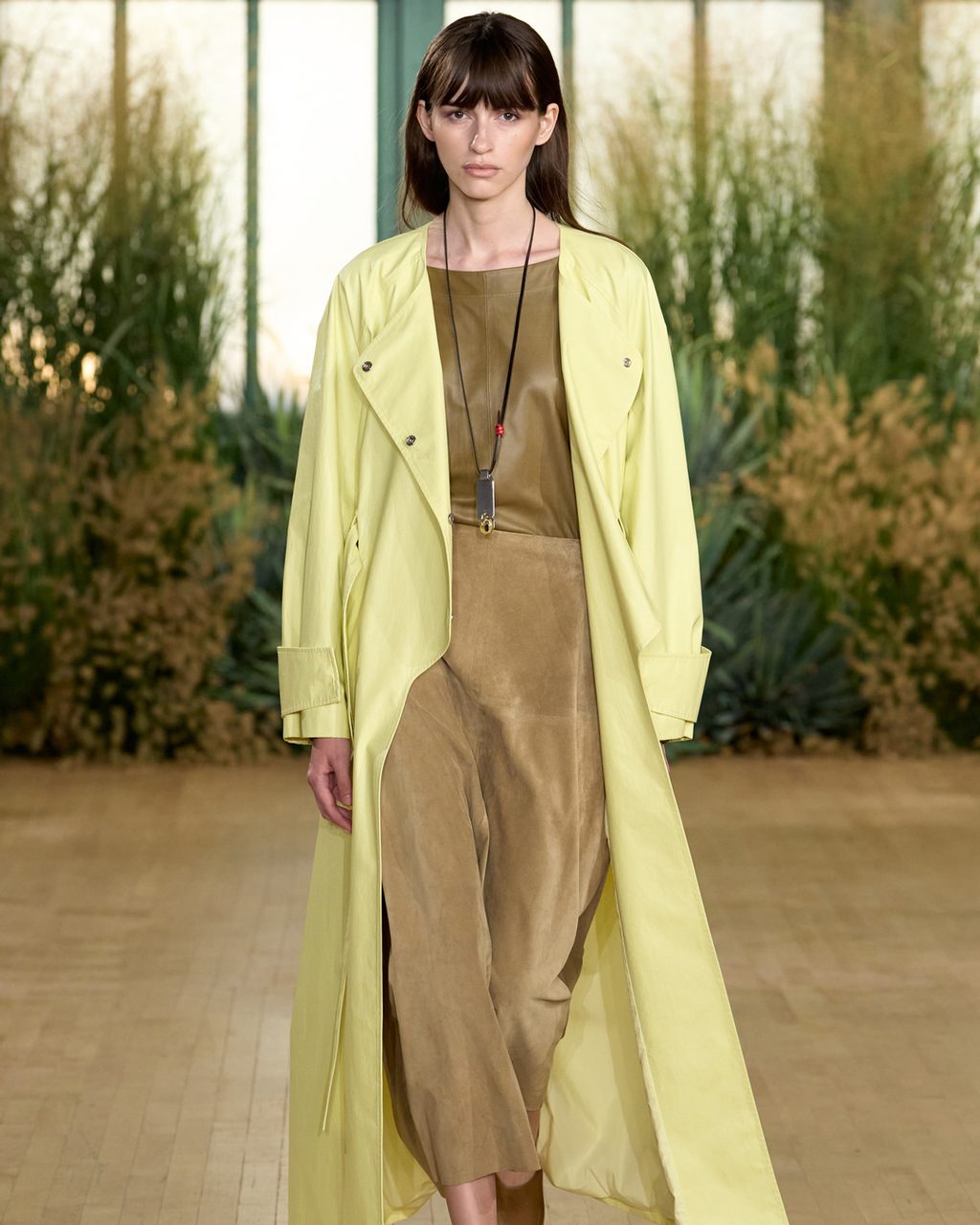
Proenza Schouler’s typically controlled lines are disrupted by draping, rounded hips and fabric that falls away from the body. Dresses use carefully positioned seams to create the illusion of silhouettes layered on top of one another, while elsewhere Scott allows the construction itself to become part of the visual language.
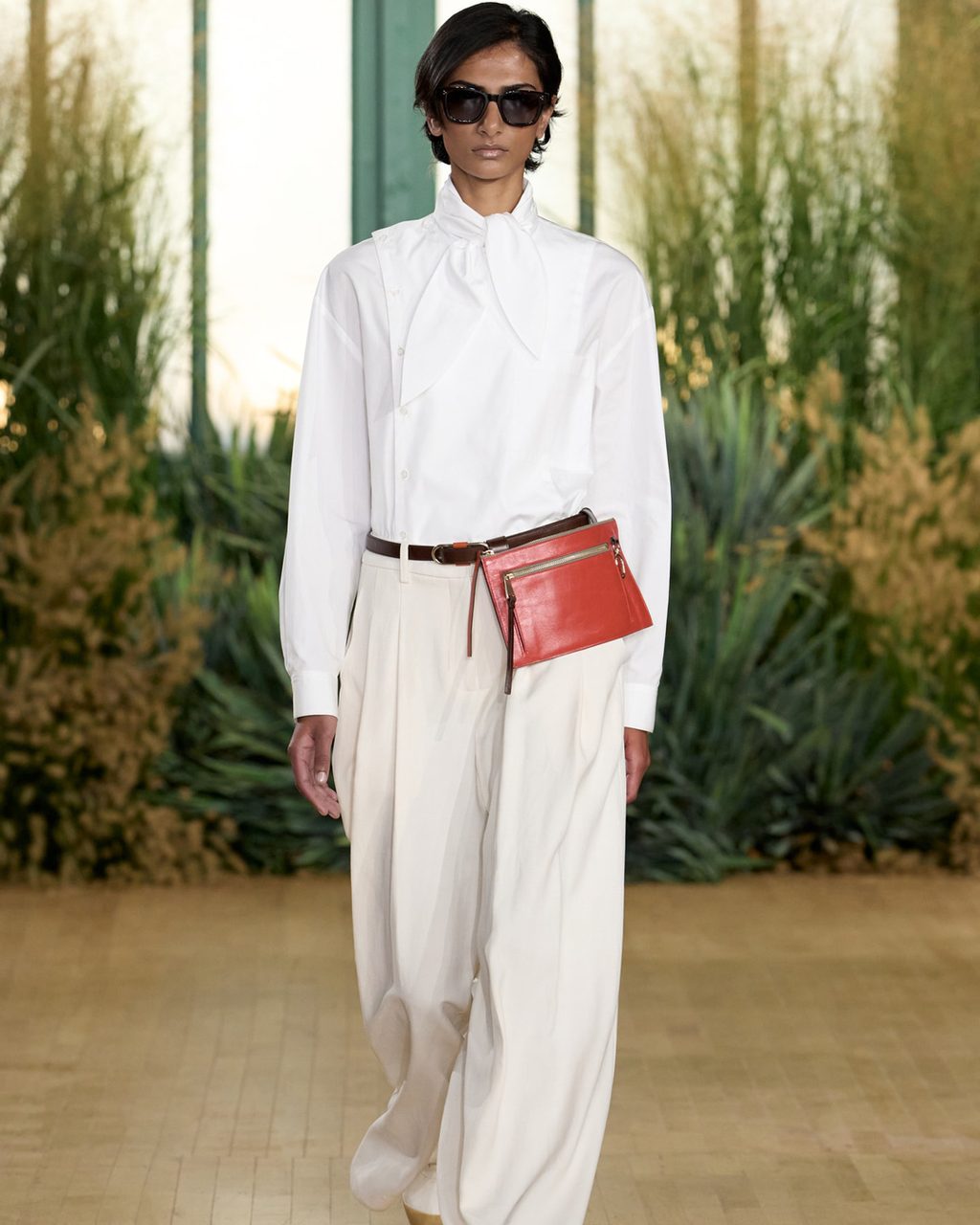
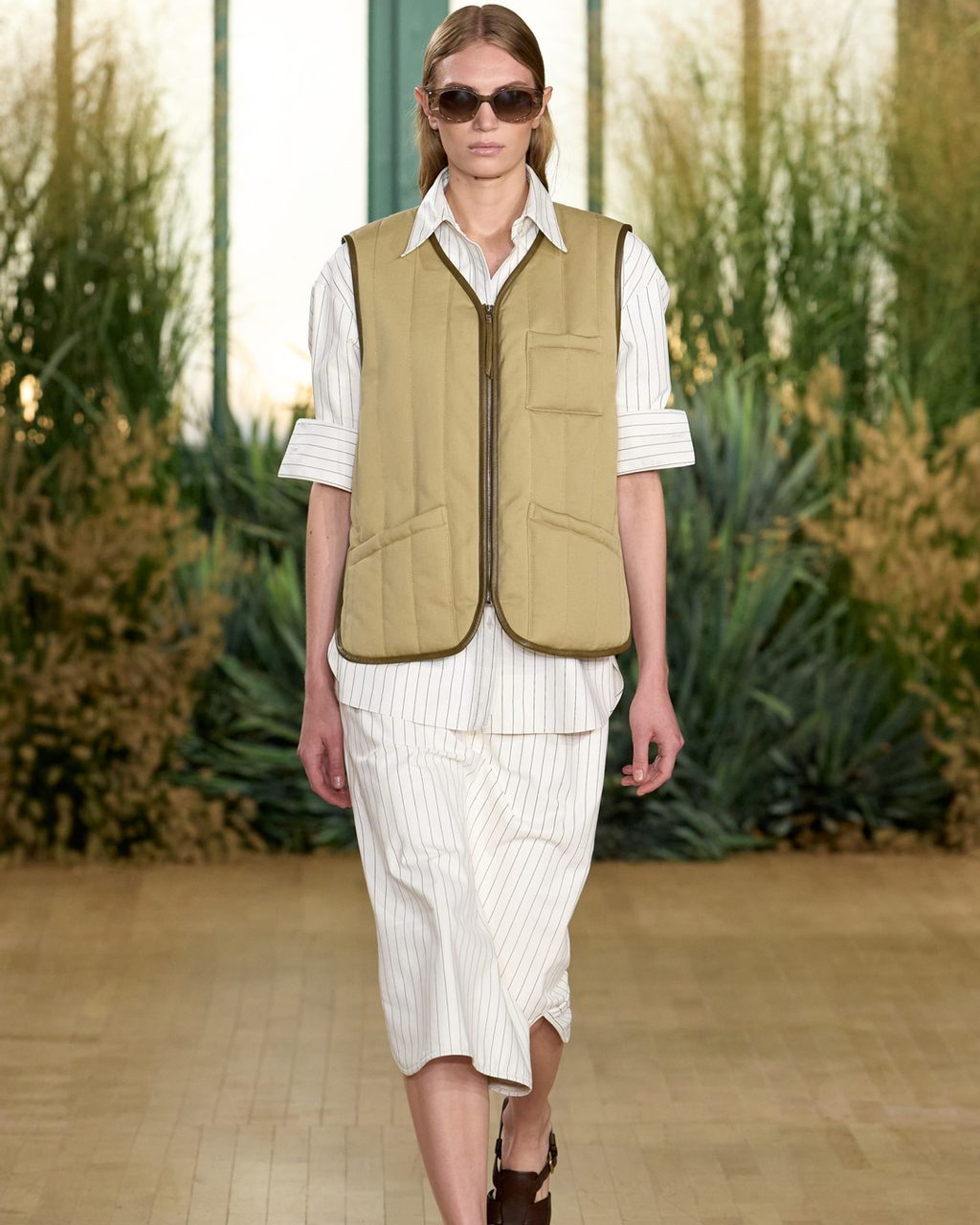
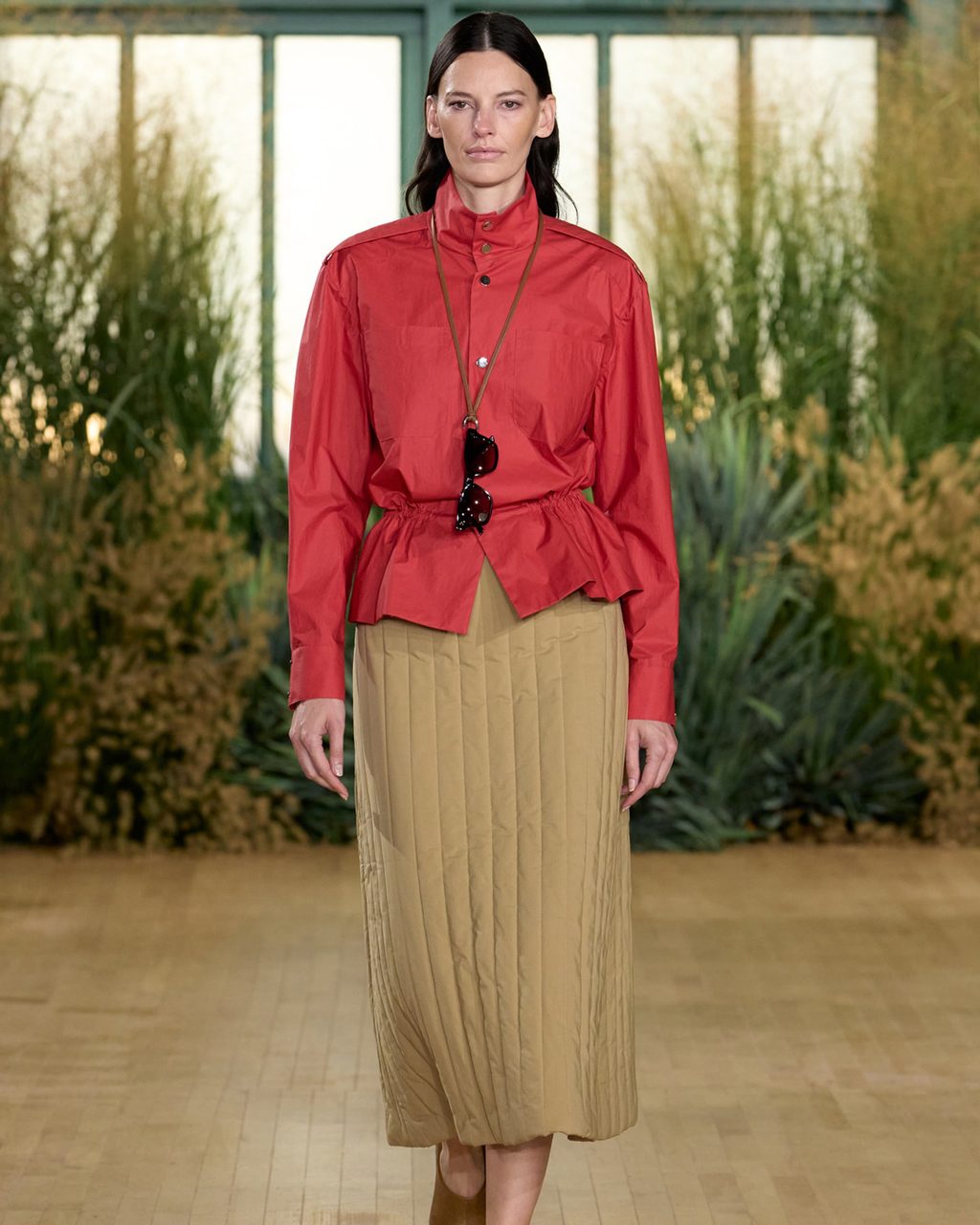
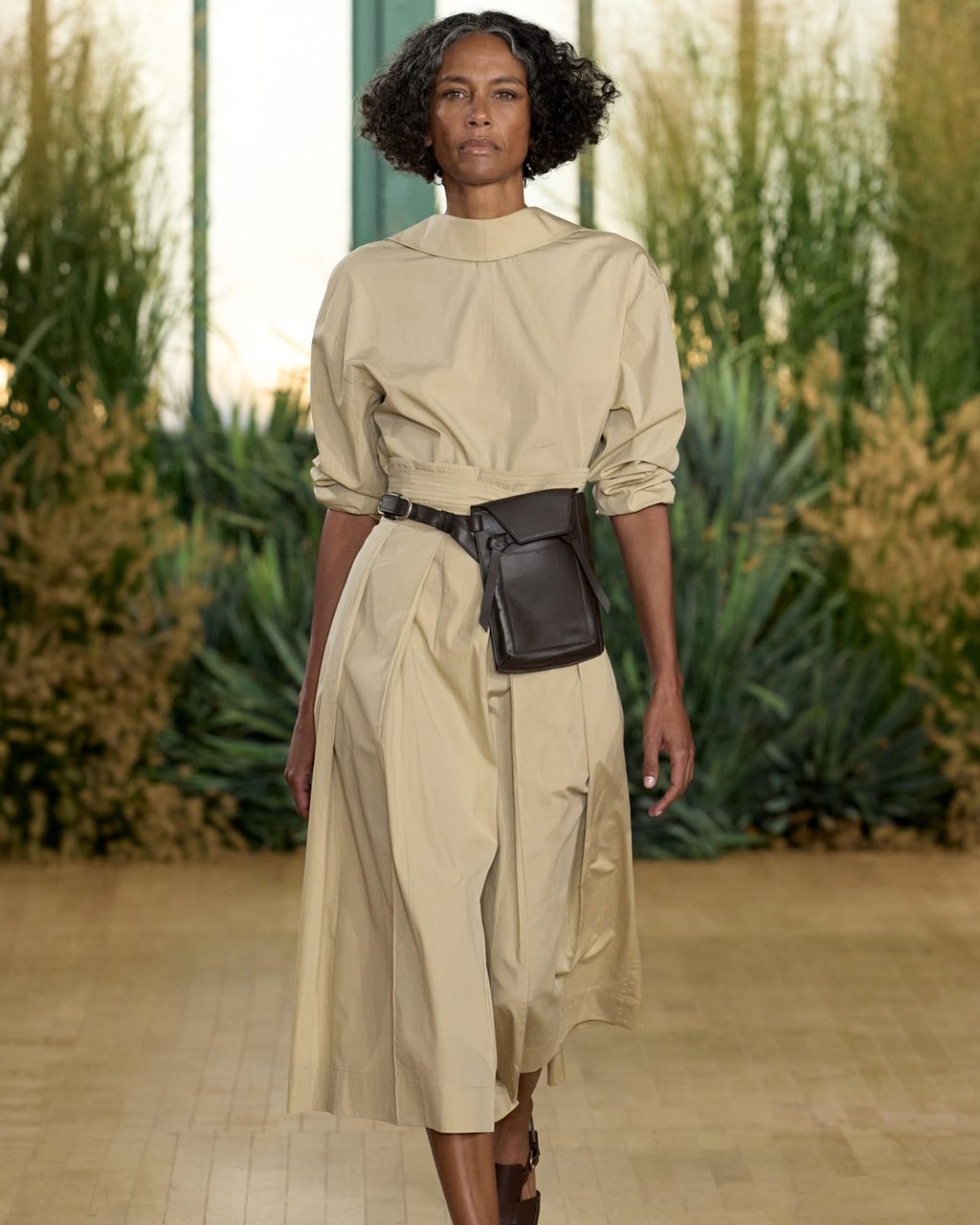
Nowhere is that clearer than the knitwear. Pointelle knits flare dramatically around the hips, stripes spiral rather than travel neatly across the body and merino pieces appear deliberately twisted out of shape. There’s plenty of technical work happening underneath it all, but crucially, the finished clothes don’t feel overly technical.
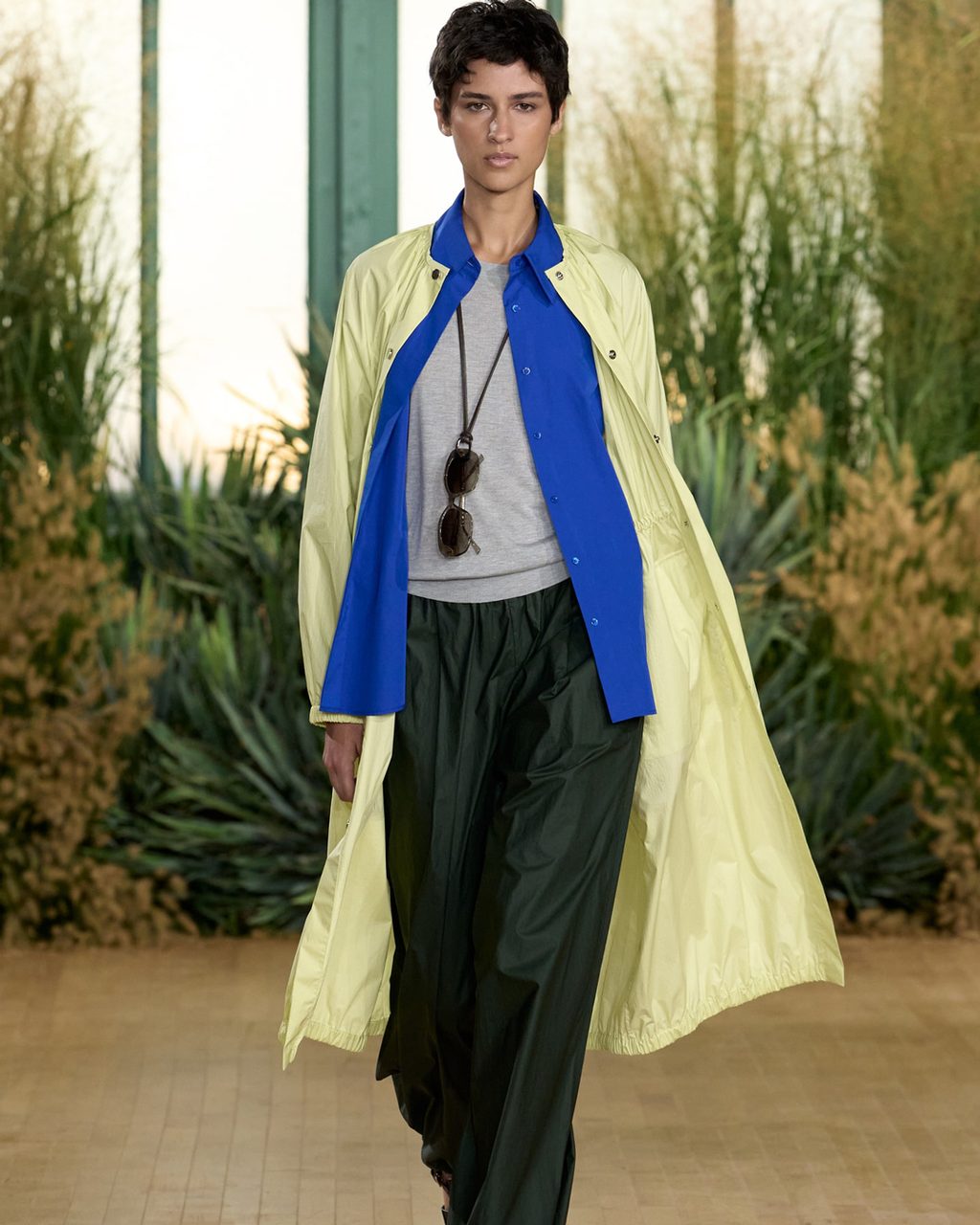
Sheer fabrics are layered to create unexpected tones, saturated shades collide with one another and fluorescent pink velvet provides one of the collection’s more arresting moments. Even the denim sidesteps the obvious, with white applied over an ecru base to leave it looking like a painted canvas.
Scott also introduces two recurring symbols: the tiger and the rose. Tigers appear across wildly different textures, moving between plissé silk, hand-knitted treatments and tactile tufted surfaces finished with sequins. Real flowers were initially used to create cyanotype imagery before those impressions were reworked, recoloured and printed onto garments. It avoids the prettiness usually associated with florals and instead gives the motif something more physical and graphic.
The house’s recognisable PS1 has been reworked into the new PS1 Walker, retaining familiar signatures such as its latch and belts while adopting a rounder, more relaxed shape. It arrives in a roomy everyday size as well as a smaller version.
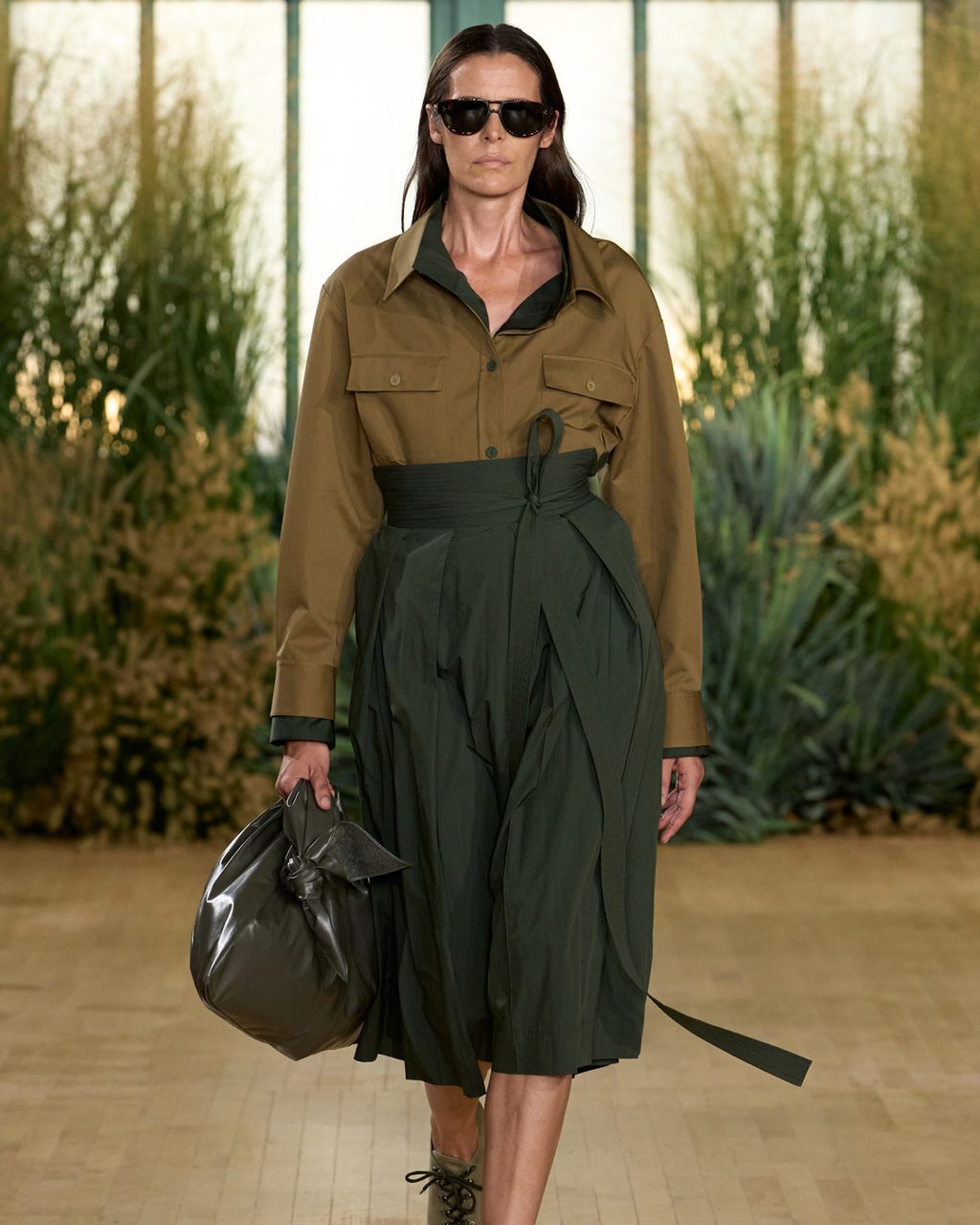
But, you know what? The footwear might be the strongest demonstration of Scott’s fascination with construction. Traditional techniques are deliberately left visible, with hand stitching becoming part of the design. Leather is folded into abstract floral shapes, soles become structural features and paillettes and metal hardware bring decoration into otherwise craft-heavy designs.
Before becoming the Rubin Museum, part of the building was home to Barneys New York, whose women’s store became the first retailer to stock Proenza Schouler. Returning to West 17th Street therefore gives Scott’s latest collection a connection to the label’s beginnings without turning the occasion into a nostalgia exercise.
That feels representative of where Proenza Schouler is heading under her direction. Spring 2027 acknowledges the precision and craft that built the brand, but it doesn’t appear overly precious about preserving them exactly as they were. Scott is loosening the seams, quite literally in places, and allowing a different kind of Proenza Schouler woman to emerge.