
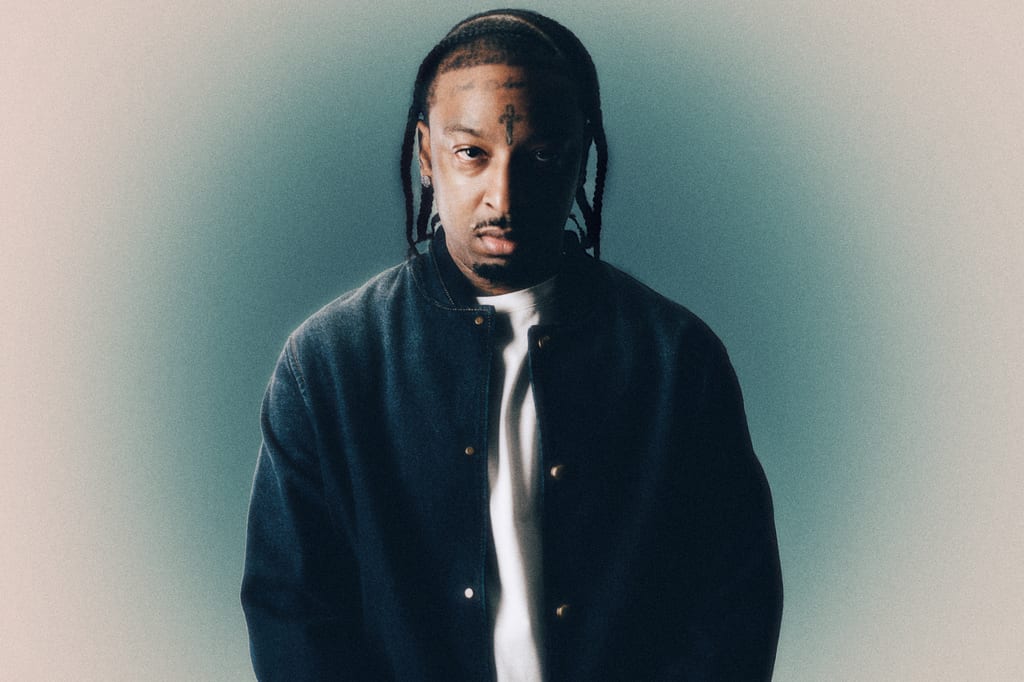
For years, 21 Savage represented a version of America that felt inseparable from Atlanta.
Everything about the rapper appeared totally tied to the city. His music emerged from Atlanta’s trap scene during the mid-2010s, his stories rooted in its streets. His collaborations with the likes of Metro Boomin helped define an era of Southern rap, and even his delivery across projects like ‘Issa’, ‘Savage Mode’, and ‘I Am > I Was’ helped transform 21 Savage into one of the most commercially successful rappers in the world. And nobody had reason to question where he came from.
Then in 2019, the narrative changed overnight. Following his arrest by US Immigration and Customs Enforcement (ICE), it emerged that 21 Savage had actually been born in Plaistow, East London, before moving to the United States as a child. Of course, the internet reacted by filling timelines with jokes about British tea, accents, and Premier League football. Yet, the memes overlooked the sheer reality of what was happening. The world has just discovered that one of music’s most important figures in American rap had spent years carrying two identities at once.
Today, Savage views the situation more simply than the public ever did. “I consider both places my home,” he tells CULTED. “I grew up in Atlanta, but all my family is still in London, who I love and miss.”
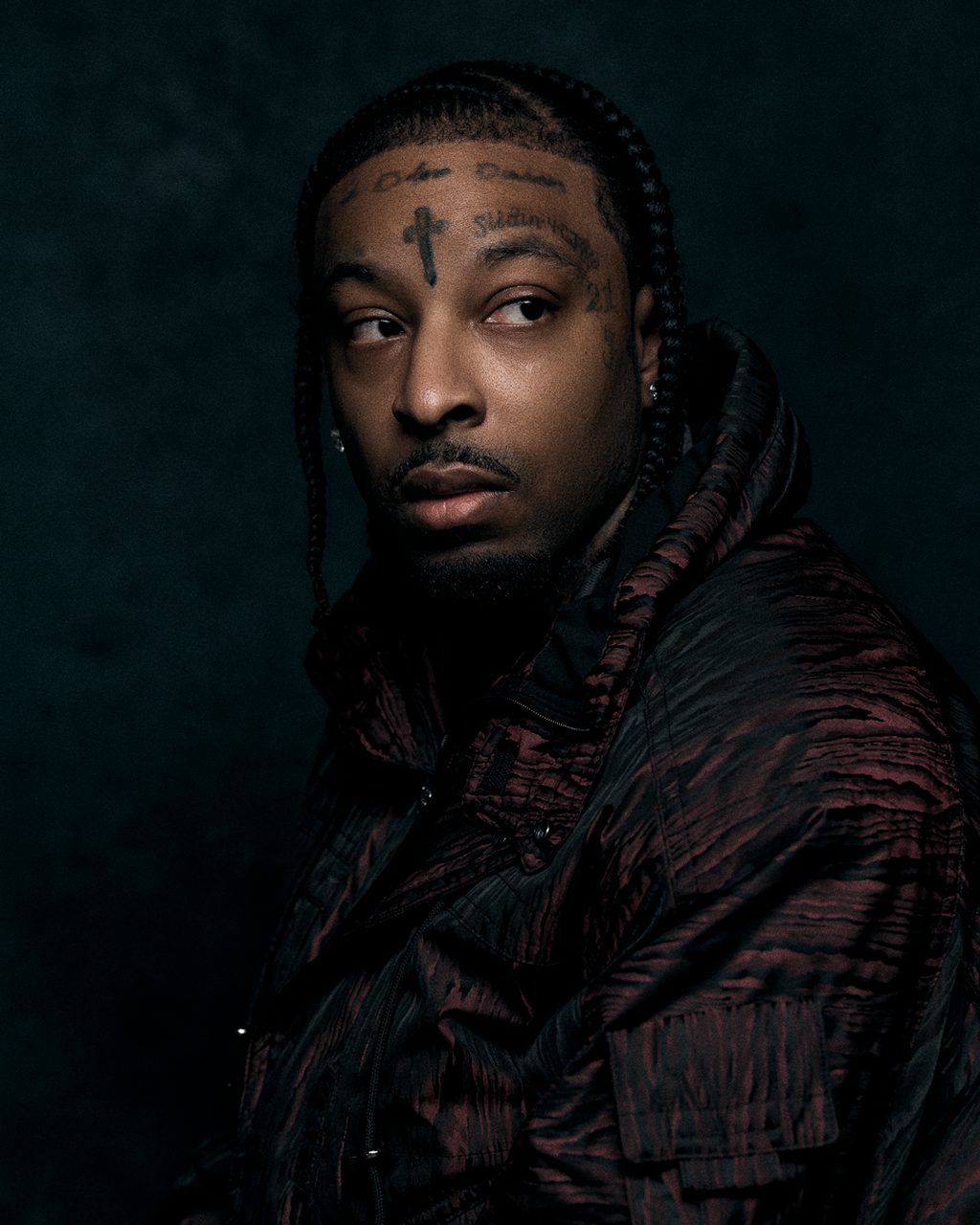
That answer speaks to a reality that often gets lost when discussing his background. While Atlanta ultimately shaped the artist the world came to know, London never disappeared from his life. His extended family, cultural connection, and earliest memories remained there. Rather than existing as opposing identities, Britain and America have always intertwined and made 21 Savage who he is.
Born Shéyaa Bin Abraham-Joseph in 1992, Savage spent the first years of his life in Newham, East London, before relocating to Atlanta with his mother. The move would prove pivotal. Atlanta was rapidly becoming one of the most important cultural cities in America, producing generations of influential artists while simultaneously reshaping the sound of modern hip-hop. By the time Savage entered his teenage years, the city was already cementing itself as the hot spot for rap. It was also where he experienced the violence and instability that would later become central to his music.
Much of his story has been well documented. He was expelled from school as a teenager and became involved in street life. He survived a shooting on his 21st birthday, leaving six bullet wounds and claiming the life of one of his closest friends. Those experiences formed the foundation on which the artists' listeners would eventually meet. And this is what has hit home for the majority of his listeners. Savage’s appeal has stemmed from how matter-of-fact he discusses his trauma. His lyrics rarely romanticise violence; instead, they observe it from the perspective of someone who has lived through it.
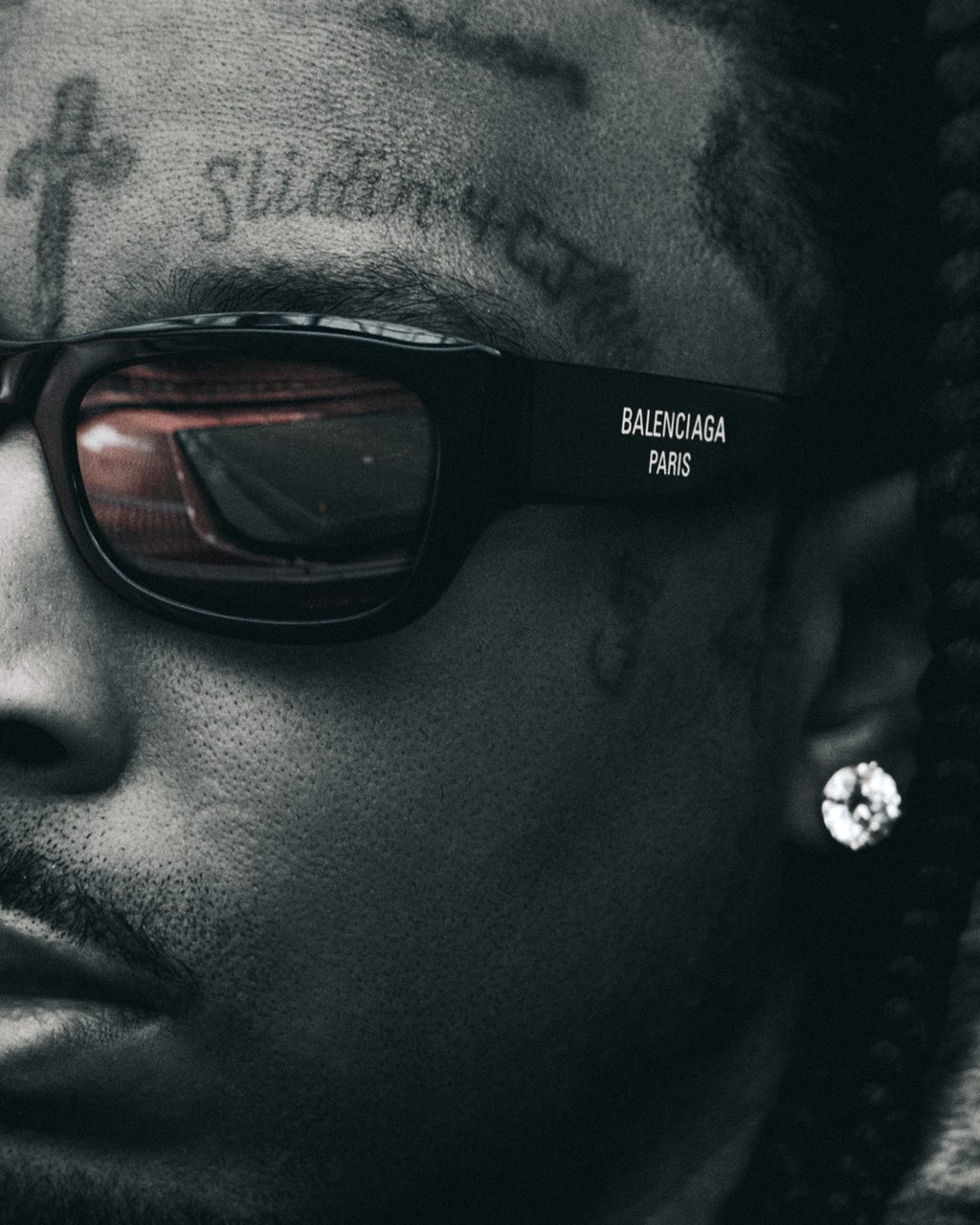
That honesty has become one of the defining characteristics of his brand. Looking back now, Savage sees growth through maturity as opposed to numbers and accolades. “I’ve matured in a lot of ways, especially in my lyrics and visually,” he explains. “I try to stay authentic to me and my supporters.”
That openness arguably became even more significant after the immigration case brought unprecedented attention to his personal life. What initially appeared to be a legal dispute quickly evolved into a broader conversation about identity, nationality, and belonging. For many young people who had grown up between cultures, Savage’s story felt familiar. He was suddenly being asked to explain where he was from, despite having spent the majority of his life existing between multiple worlds.
His own explanation is revealing. “My London upbringing shaped me to look at things from a worldly perspective and not just what the US has taught me.”
In many ways, that perspective helps explain the version of 21 Savage that exists today. While his music remains rooted in Atlanta, his ambitions have expanded far beyond rap. Across the past decade, he has developed into a businessman, investor, and philanthropist, launching financial literacy initiatives for young people while using his platform to support underserved communities. “Rapper, businessman, philanthropist,” 21 Savage says. “I’m a mogul, so I sit in all of those roles on a daily basis, but giving back has always been a main priority for me.”
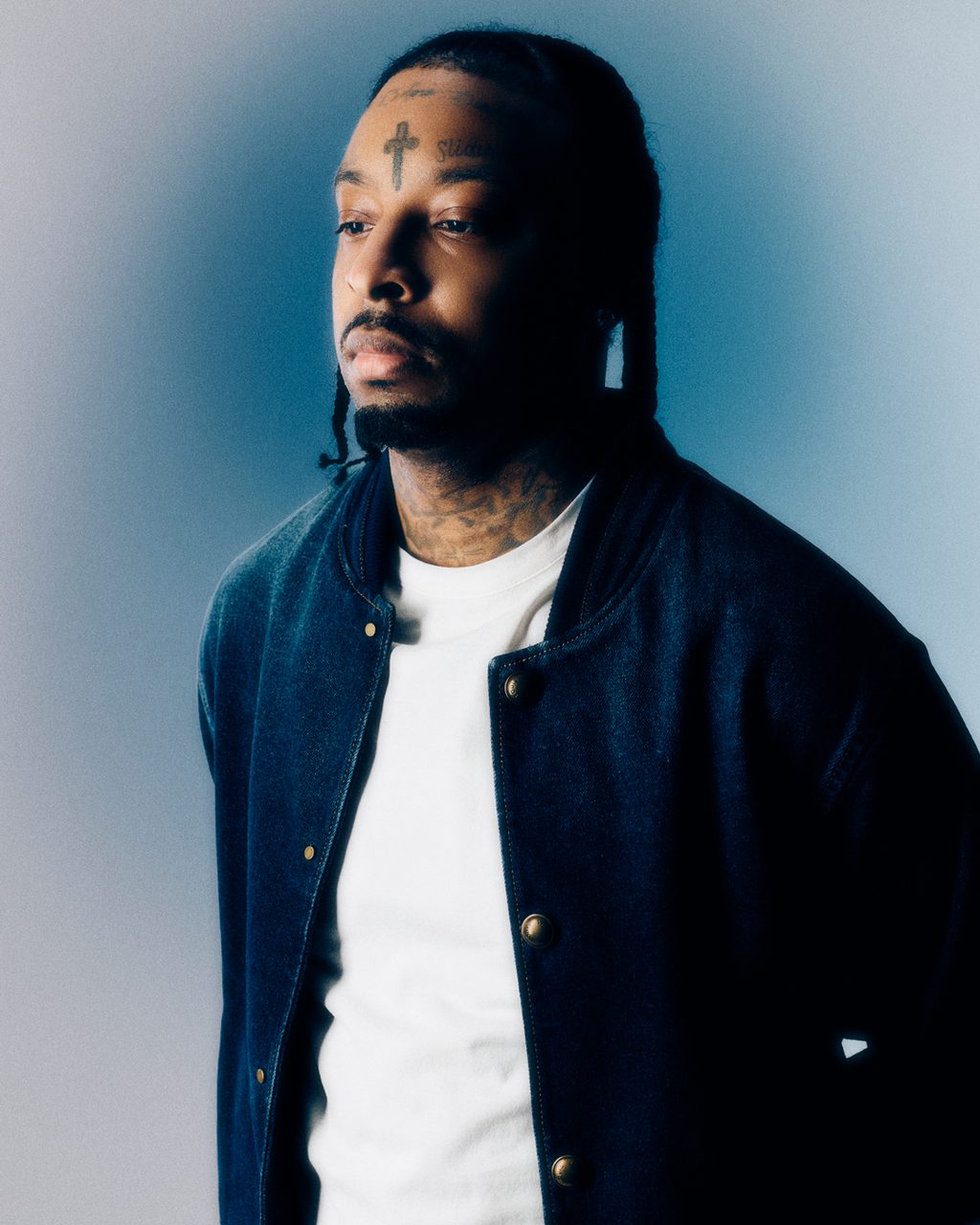
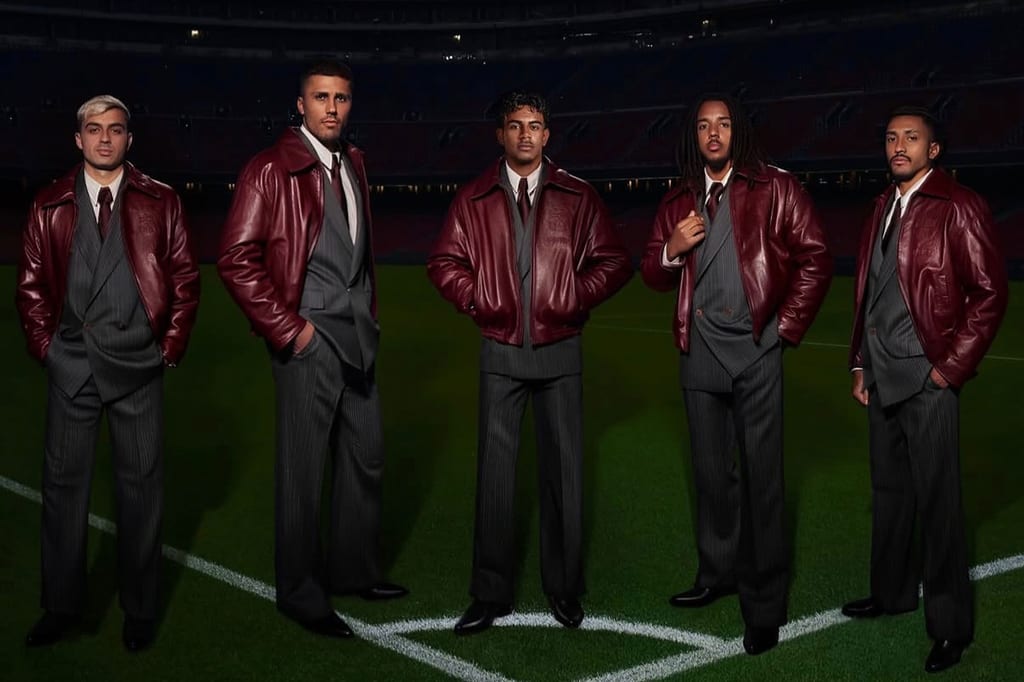
That broader outlook also extends into culture. Like many children growing up in Britain, football formed part of his identity long before the sport grew in popularity in the States. Savage’s support for Arsenal has become one of the most recognisable aspects of his public persona, creating a connection between North London and Atlanta that feels uniquely his own.
The relationship between football and music has changed dramatically over the last decade. Players have become style icons, and rappers have become regular fixtures at matches. Clubs are also increasingly operating as cultural brands as much as sporting institutions. And Arsenal in particular has positioned itself at the centre of that crossover, attracting support from artists, designers and creatives across the globe.
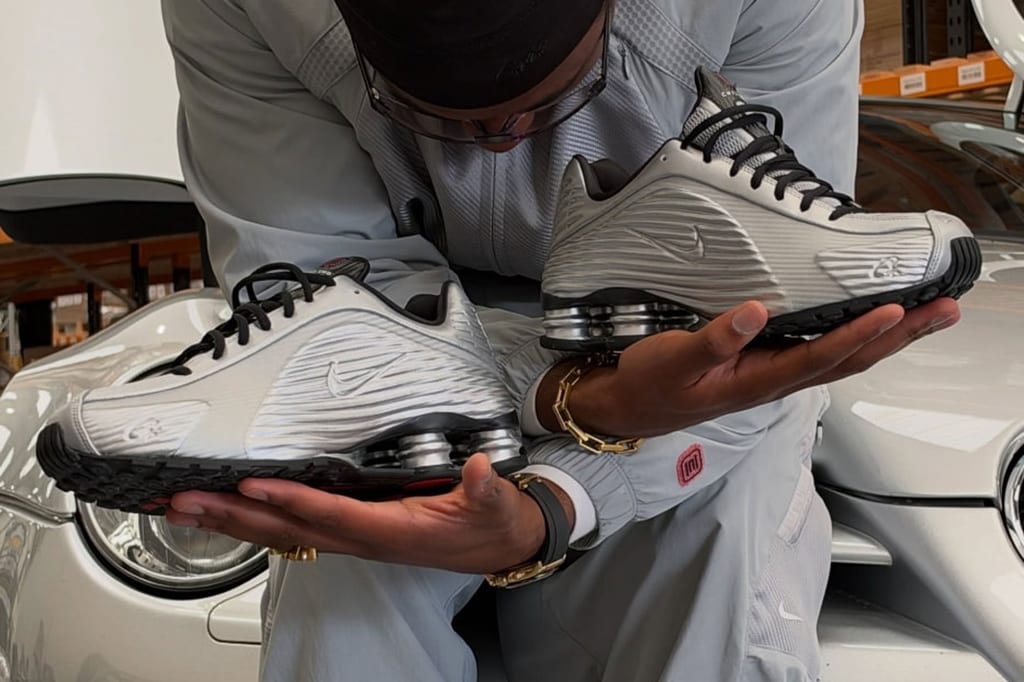
“It’s a big connection. Sports and music always run hand in hand culturally,” Savage added. However, the same can be said for fashion. 21 Savage’s approach to clothes is refreshingly uncomplicated. He isn’t interested in presenting himself as fashion’s next creative director or claiming expert status within the industry. “I’m not the biggest fashion person,” he says. “I wear whatever is comfortable to me, but I do love Nike.”
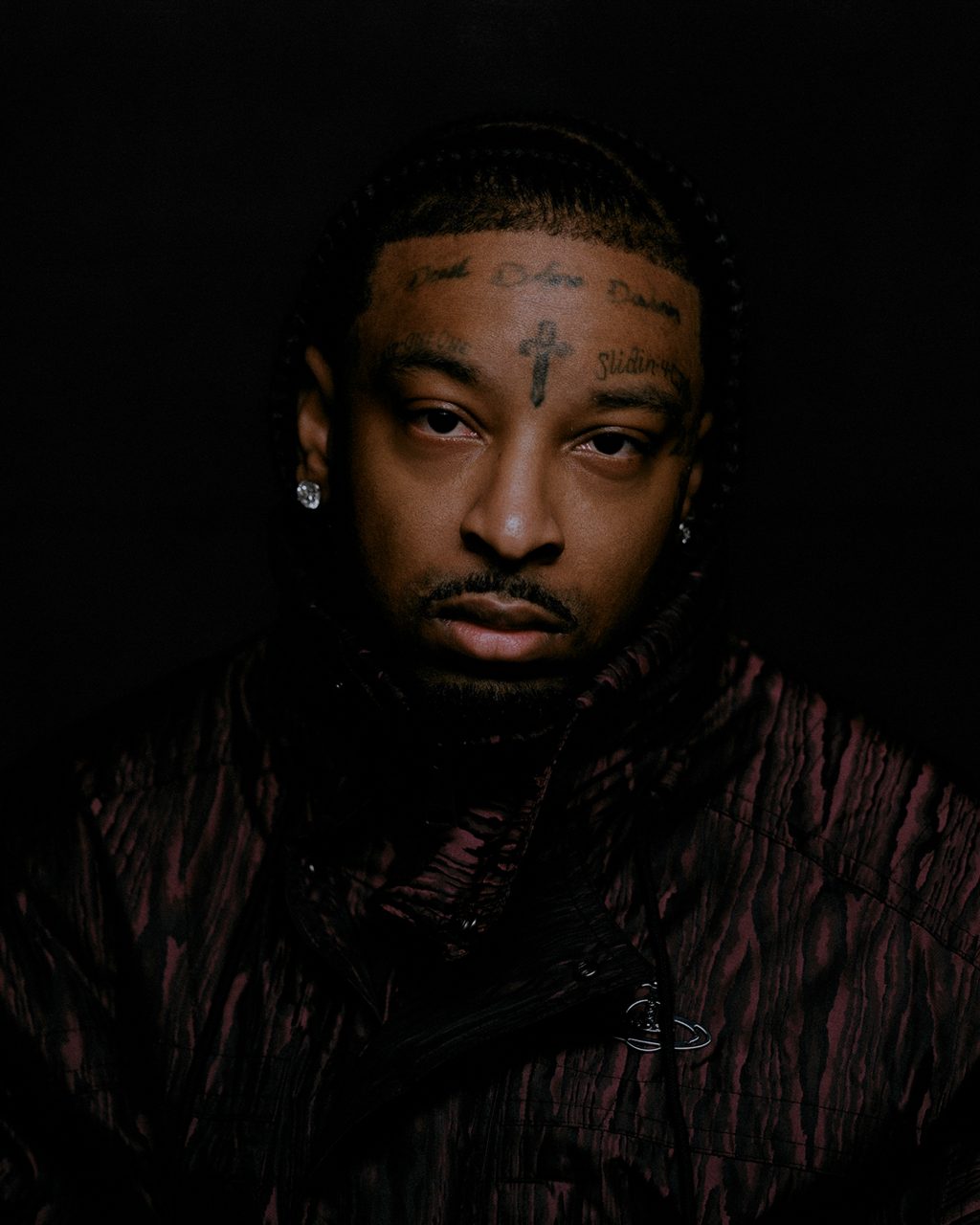
That said, his connection to British street culture is still there for all to see. Among the brands he admires most is Corteiz, the London label founded by Clint419 that has evolved from a bedroom-born idea into one of the most influential names in contemporary streetwear.
“I do love Corteiz,” 21 Savage says. “We actually put a collaboration collection together.” The partnership was huge, but it worked because both brands have built loyal audiences by staying true to their origins. Both have also successfully navigated the space between local influence and global recognition.
Perhaps that’s why the story of 21 Savage continues to hit home for people all over the world. Not necessarily because he’s British or American, but because he represents an identity that isn’t boxed in. He belongs to London and Atlanta, and his story requires both places to make sense.
When asked what he would tell his 15-year-old self, Savage’s answer unexpectedly returns to that idea of home. “I’d just tell him everything is going to work out just fine and you will get back to the UK one day.”

It’s a heavy response from someone who has spent so much of his adult life as a symbol of Atlanta. Behind chart-topping records, sold-out tours and cultural influence remains a man whose story began thousands of miles away in East London. And when the conversation turns to legacy, his ambitions remain surprisingly straightforward.
“I hope they say I represent never giving up on myself or the people I love.” For an artist whose career has been defined by survival, reinvention, and the ability to exist between worlds, that feels like a fitting place to leave the story.