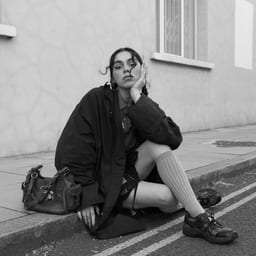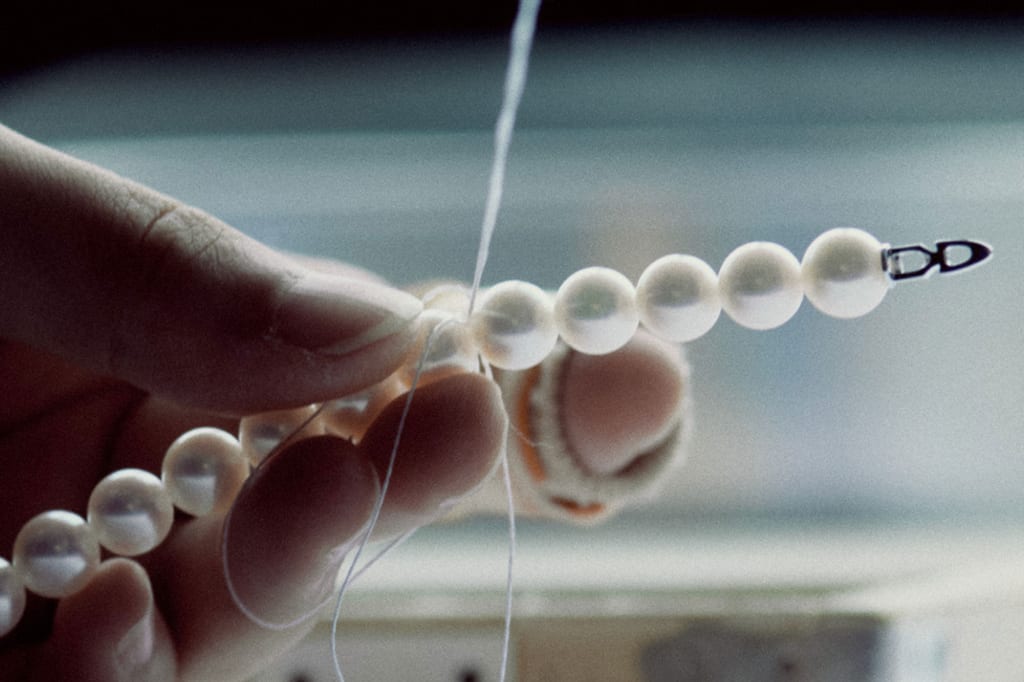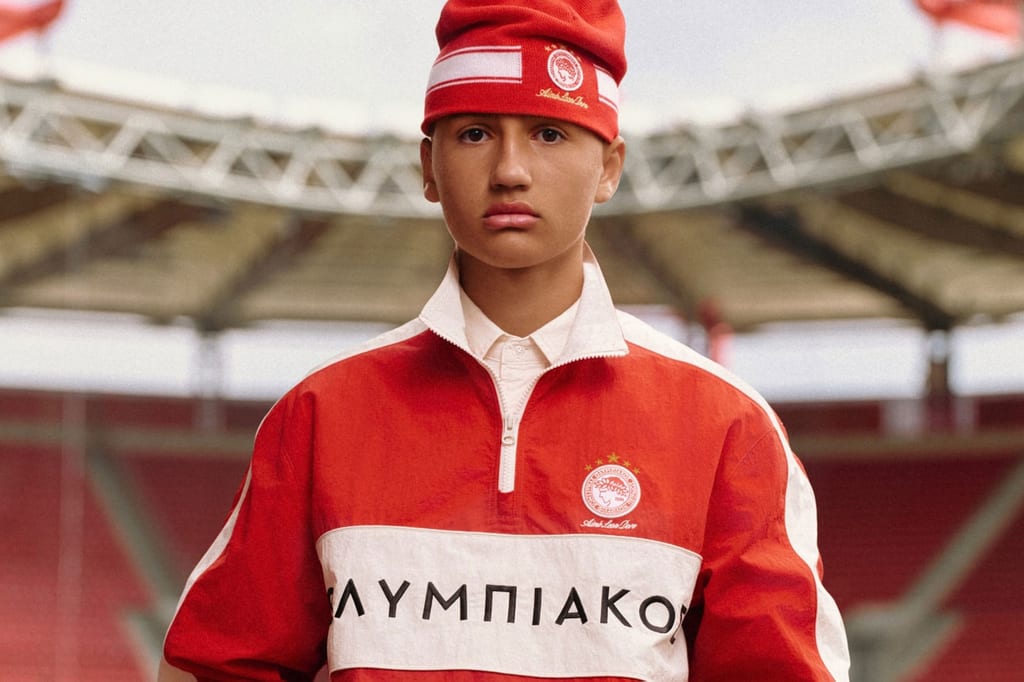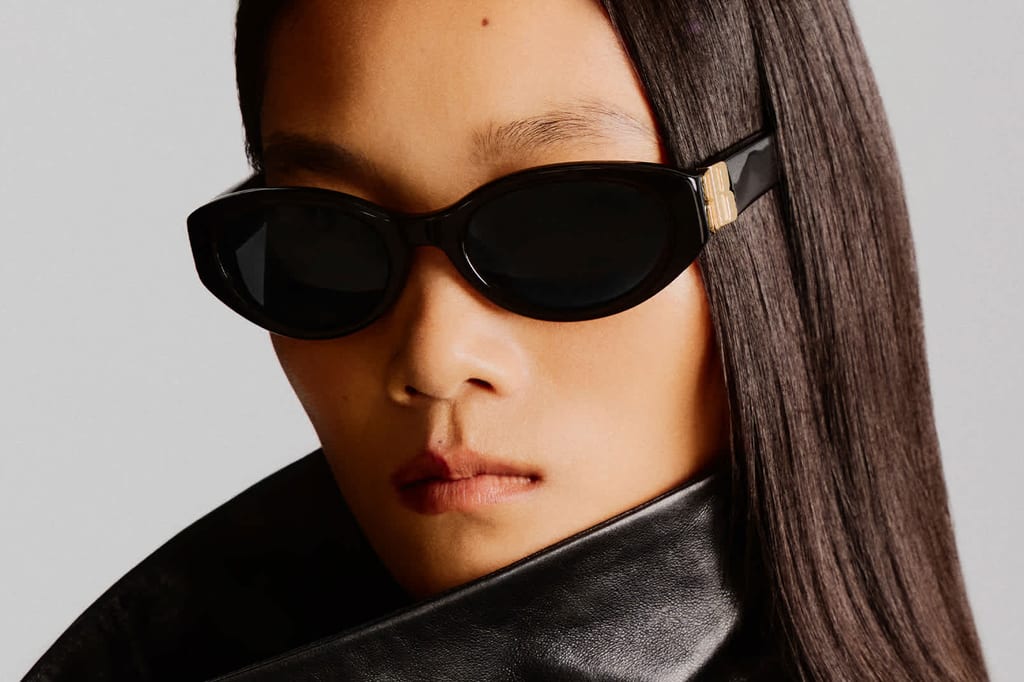

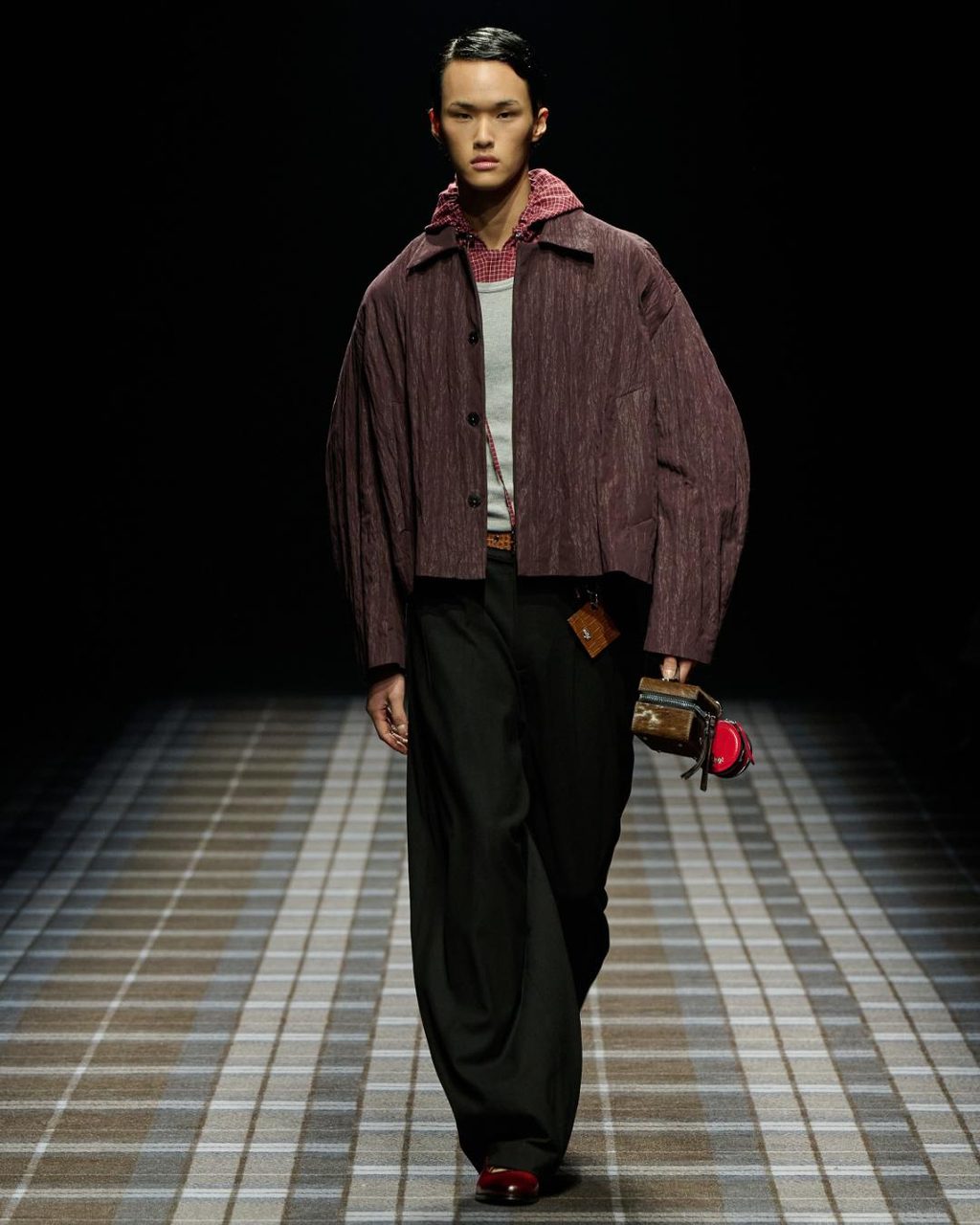
We linked up with India-based designer Dhruv Kapoor at Milan Fashion Week to chat about his new FW25 collection, how his Indian roots have influenced his pieces, and his MFW dream-come-true that never gets old.
Known for his fusion of modern dress and archetypical Indian elements, Dhruv Kapoor merges minimal dress codes with Indian craft, and creates new pieces based on traditional silhouettes.
On his FW25 collection:
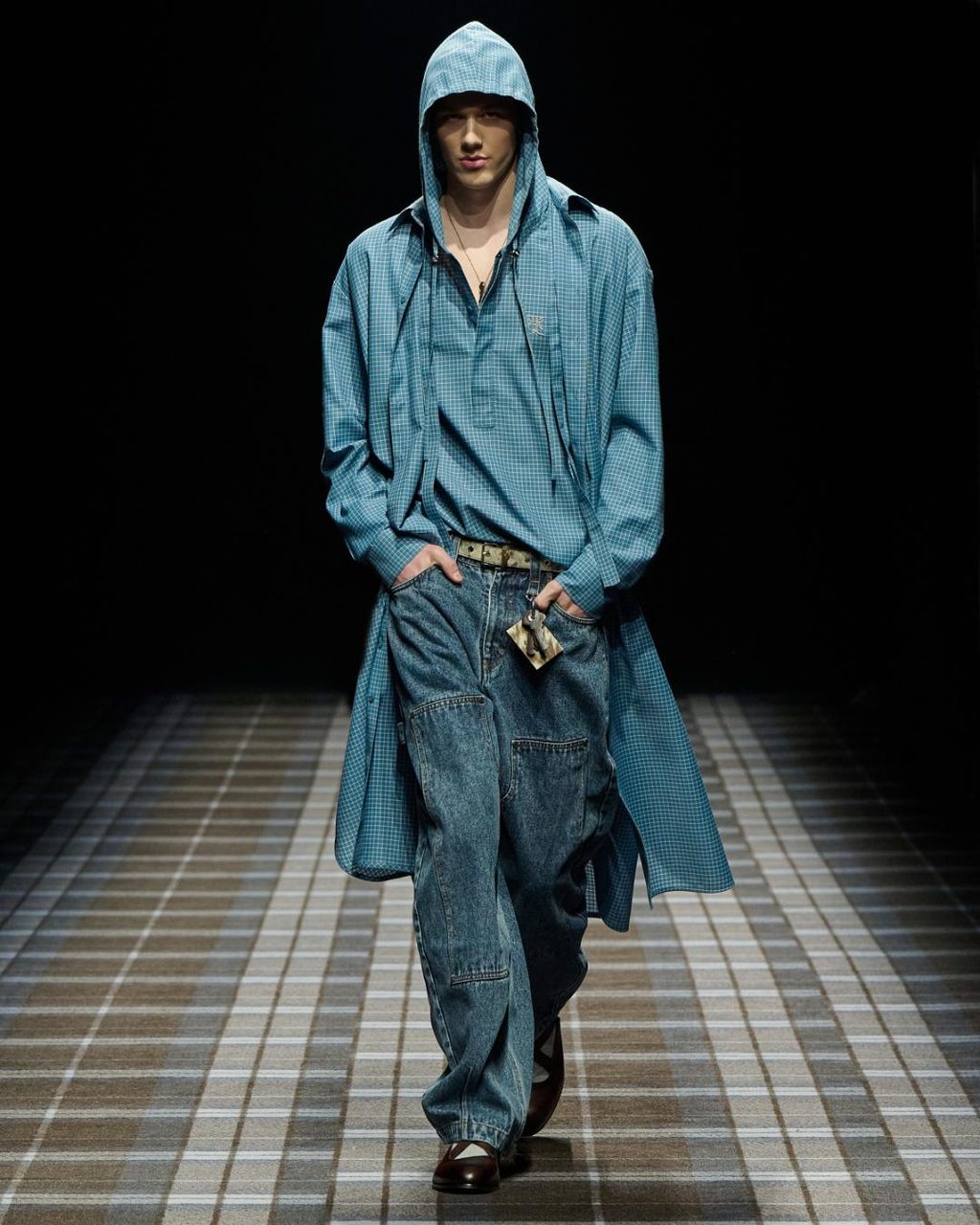
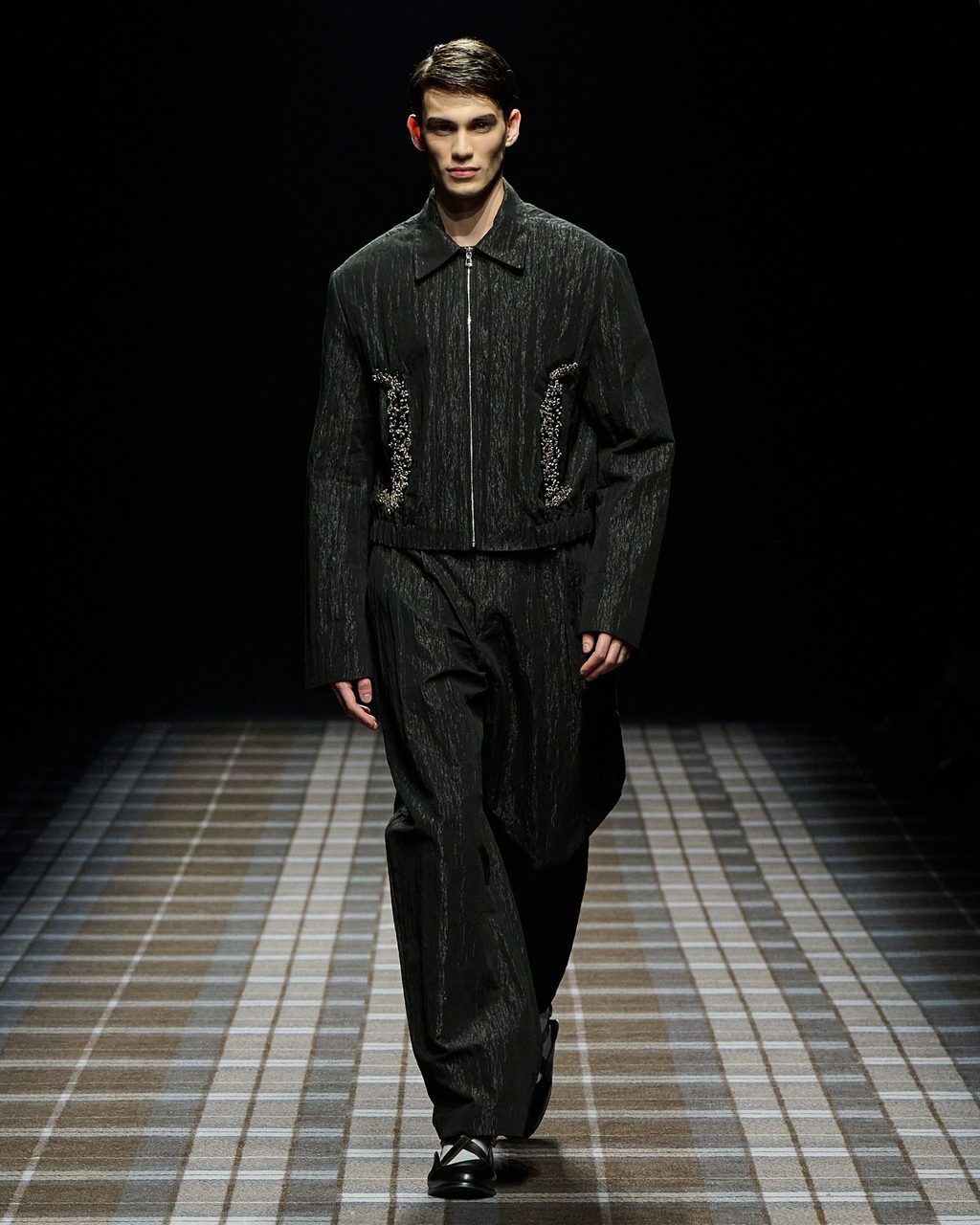
“For the upcoming season I wanted to stress on one of our main brand DNAs which is my origin, where I come from and how that element is fused into everything that we do. India is a market that has mastered bridal and heavily handcrafted pieces. While I was studying in Milan and building the brand in my head, the biggest thing that I wanted to do is take that craft in a format that a much larger group of people would be able to understand, resonate, wear and go out. We took the Indian handcraft and the embroideries and the mixes of colour and merged it with a completely different lifestyle that infused into my life while studying in Milan, of more minimal, more clean-cut, more neutrals.”
On embedding Ayurveda in his pieces:
“If I had not done clothing, I would’ve been a yogi, and not do anything else actually. I wanted to take the Ayurvedic science, the ancient science in India, and embed it into my collection, because mental wellness is a key element in every collection that I design. There are certain pieces that have very cool graphics which are talking about the science, but when you open the shirt you have the manual on how to perform they’re mostly breath-works that you can do at home or wherever you are – balancing the left and the right nostrils, one is linked to the sun the other linked to the moon, this balances your entire body and keep you at ease, no matter what happens.”
On his ‘70s India mood board:
“On my mood board was my version of the ’70s. There are too many elements that are mixed and matched, a lot of references to rural India. I took a lot of inspiration from what rural Indians were wearing, there actually weren’t a lot of vibrant colours – especially men were pairing boring colours together – but I wanted to take that colour combination and add something interesting to it.
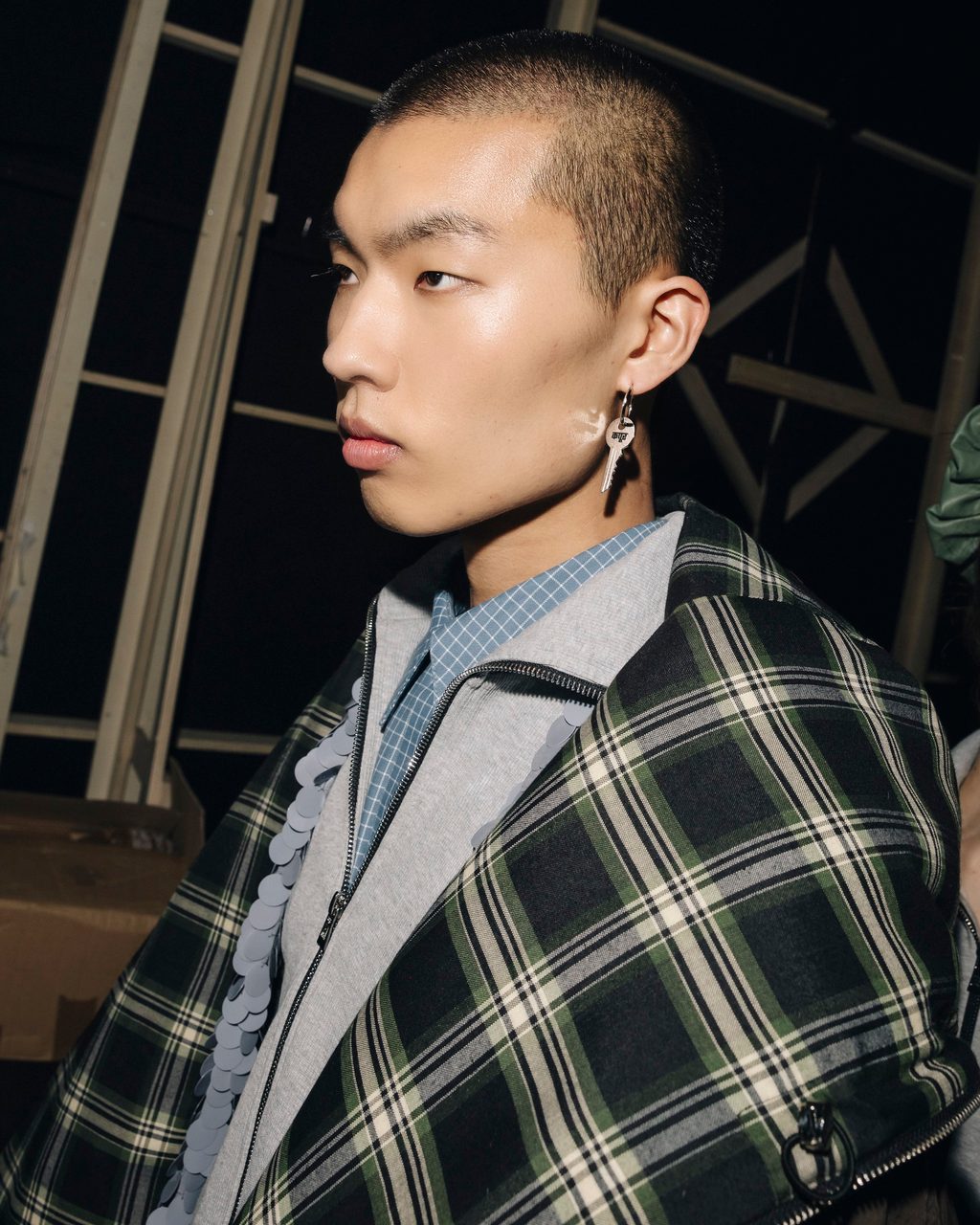
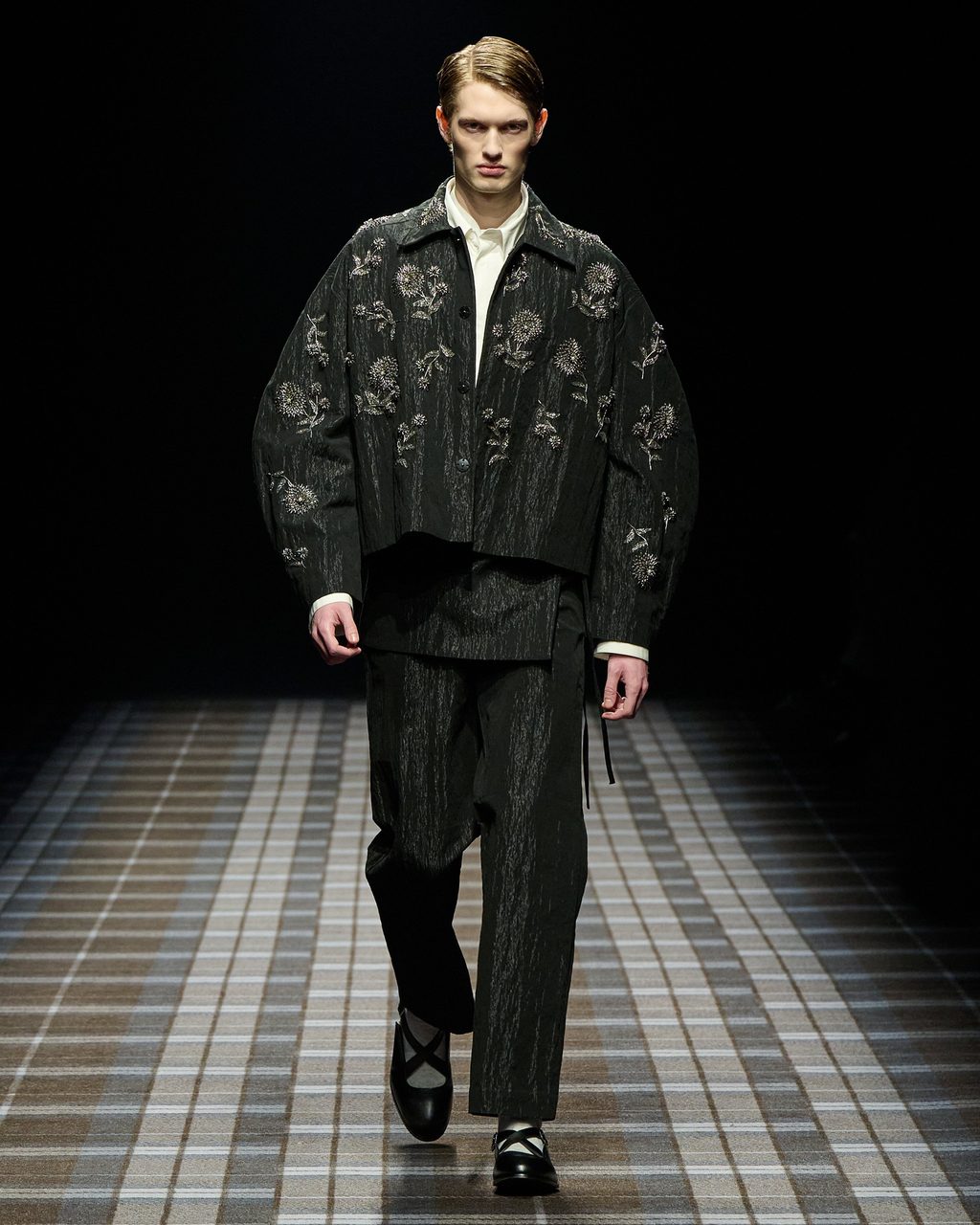
Utility was an aspect that we wanted to use. You wouldn’t see anything on someone’s outfit that wasn’t utilitarian, so we wanted to keep that in. If you went to the Western part of India, you’d see men carrying keys on their waistbands, so we have these leather trousers that have got keys attached, and they’re removable of course. And even embroidery: we wanted to use flowers that are native to India, used in temples, Indian festivals – marigold and jasmine [...] scattered over dresses and blazers and jackets.”
On the dhoti pants:
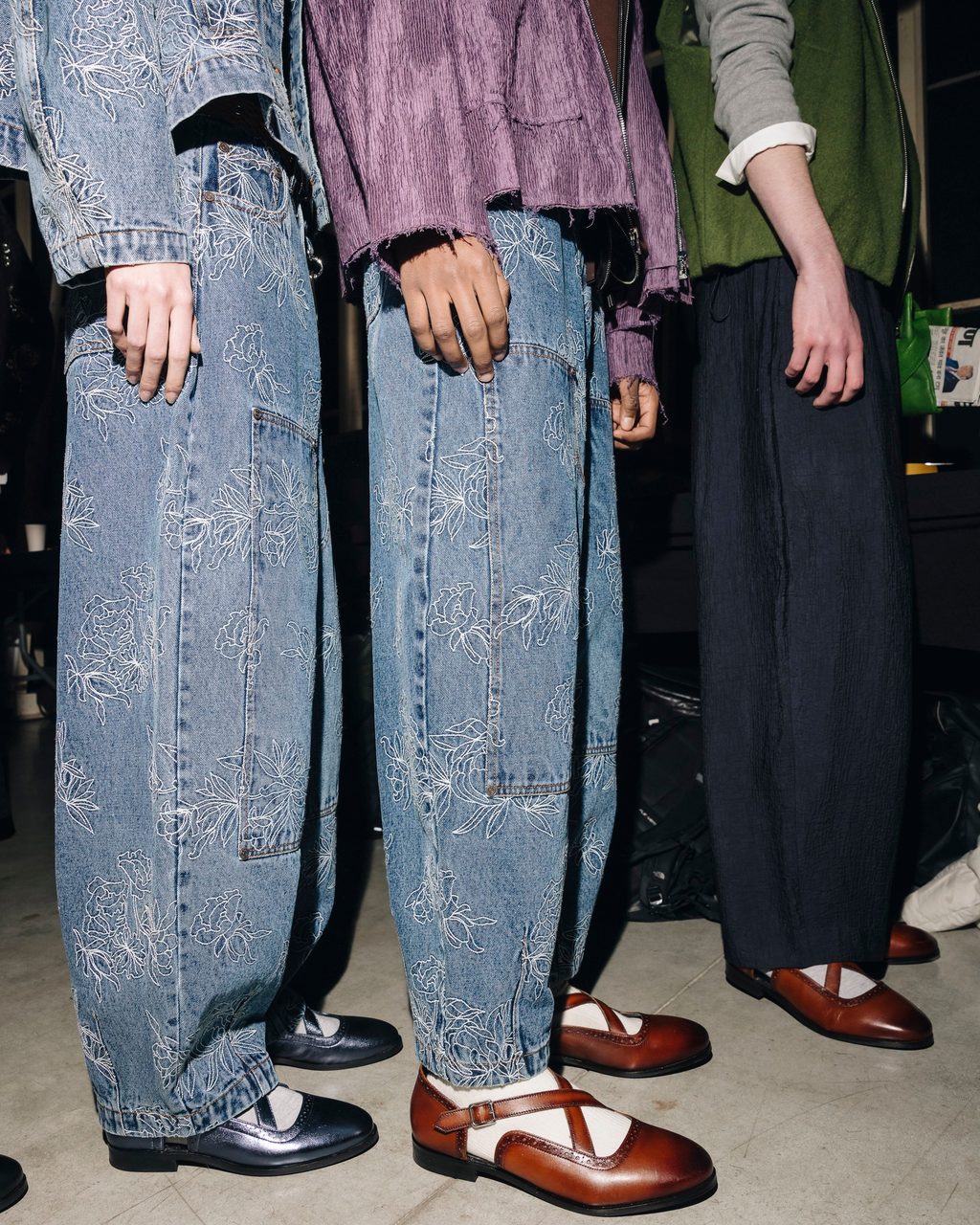
"Trousers are inspired by the Indian dhoti pants, transformed into sweatpants, formal trousers and jeans. They’re extravagant, but with a more minimal approach.
The dhoti is a balloon pant – mostly worn the common man – and you would layer it with multiple things. Dhoti trousers were mostly borrowed or passed down in generations. Sometimes they’d be tailored and adjusted, sometimes you’d see the waist cinched in. We wanted to clean that aspect, even in terms of colour, how you’d notice on the runway that one colour is tucked in and the other one’s out.”
On the soundtrack:
“This time I had this strong link to classical Indian music, but it’s not a composed track, it's just the sound of the sitar which just runs on beat. That has an impact on your blood circulation, so even in the collection, we have infused the sitar into a track with a more futuristic sound. It’s a combination of something ancient and something futuristic.”
On Milan:
“When I was studying in Milan, I’d dream about doing a show, showing on the calendar as the big players at MFW. Now, it’s like living a dream.
“I know the streets, I know exactly what to buy at the supermarket, I don’t like staying at a hotel because I love to cook. For me, it’s going back home.
“I love the food, and the culture – because it’s exactly like the culture in India. The values they have, their obsession with food, with family. All of that is mirroring the Indian culture, so it doesn’t feel like you’ve gone too far. Even the afternoon naps feel very Indian.”
On the future:
“The ultimate evolution for my brand is wellness centres where we would straight up tap into the core and partner with like-minded people. I’ve grown up with that practice, every day I wake up at 5.30 and meditate for two hours. Anything that happens cannot change my brain. I feel constant. If I can benefit like that, the world can benefit.”
All featured images Dhruv Kapoor©
More on Culted
See: Prada just gets the purpose of fashion, and its FW25 Men’s show is proof