
When you think of Ralph Lauren, you likely conjure up one of two images: a polo-wearing Yuppie yielding a golf club, or a young guy from the Bronx donning a Lauren windbreaker. But once upon a time, the brand was almost exclusively associated with the former: a staple of America’s WASPS; the unofficial uniform of upper-class college students and young professionals, who spent their days monitoring the stocks on Wall Street. And this wasn’t an accident: although Lauren’s birth certificate reads Ralph Lifschitz and he was brought up in a working-class immigrant community in the Bronx, from the get-go he was intent on making sure his brand was synonymous with aspiration and the 20th century American dream.
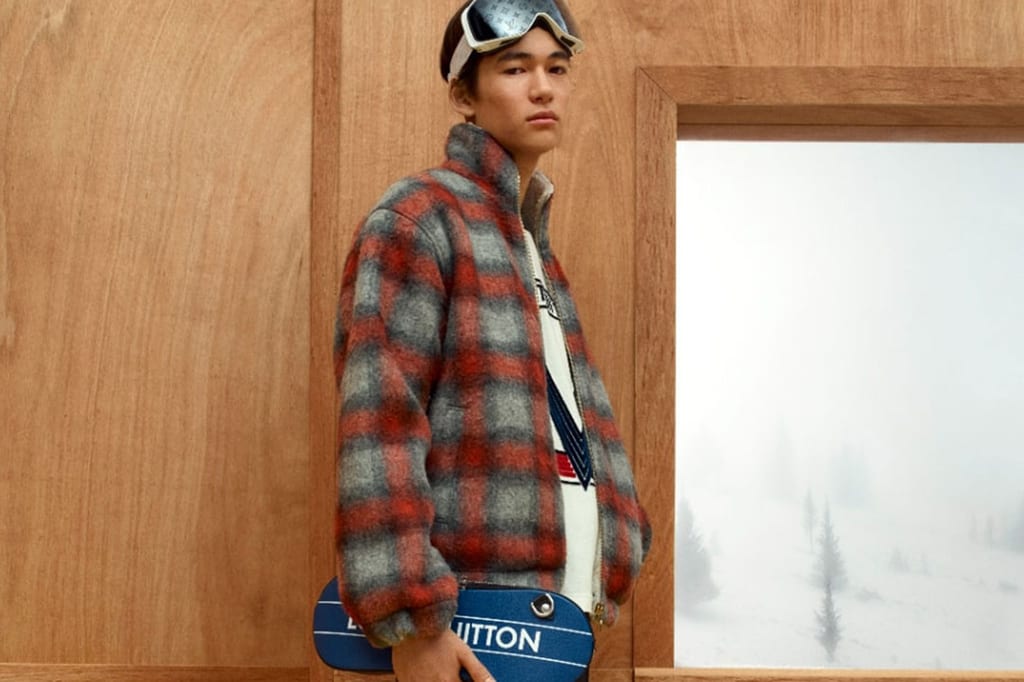
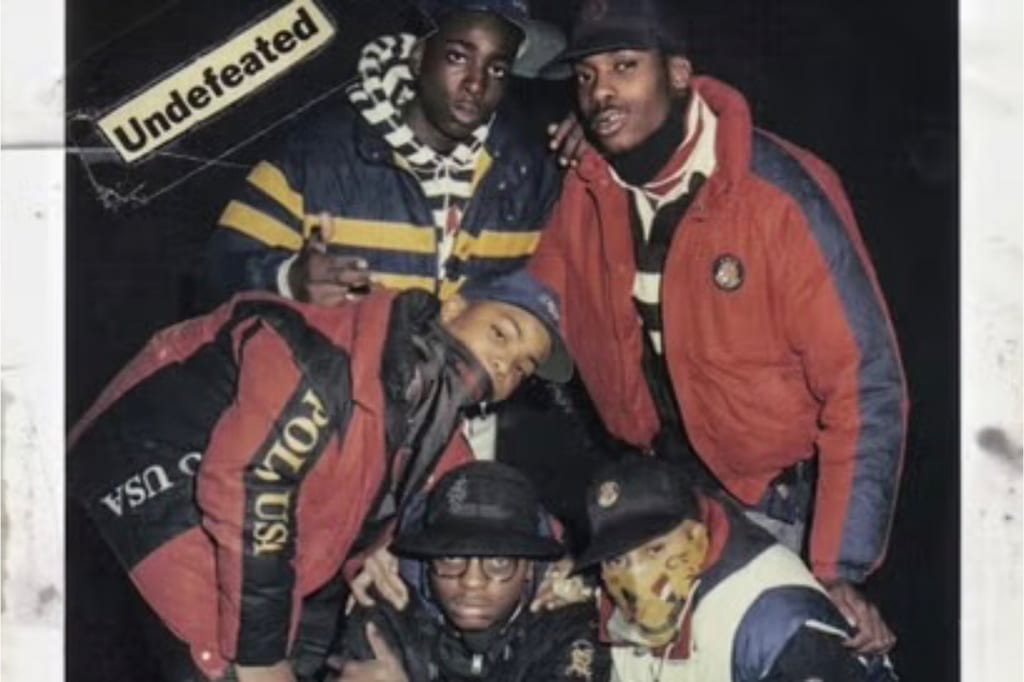
But when the brand released a windbreaker with the word stadium emblazoned across its midsection in 1992, the brand unwittingly attracted a new demographic. Although the windbreaker was advertised on white models lolling around ski slopes, it found fans in the gang that would become the Lo Lifes, a cohort of Black and Latino Ralph obsessives from Brooklyn.
The Lo Lifes regularly stormed department stores in so-called “million-man rushes,” where they would steal racks upon racks of Lauren clothes and flip them on the streets.“You could see me in Brownsville rockin’, then go to Fifth Avenue and see a white person wearing the same jacket. The difference is that they bought it—we weren’t buying shit, we were taking it.” Thirstin Howl the 3rd, a founder of Lo Life, wrote in his photography book “Bury Me with the Lo on,” which documented the movement.
The Lo Life’s pilfered so much Ralph that it became a streetwear staple in the Bronx, the neighborhood where Lauren himself grew up (and fled upon his success): an in-on-the-joke claiming of an exclusive yuppie status symbol. As observed by Jesse Thorn for Put This On, “The guy from the hood is subverting those values. His act is a thumb in the eye to the rich (and white) that says that not only can those symbols of privilege be appropriated by the downtrodden, the downtrodden can rock that shit better.”
From there, Ralph organically proliferated the Hip Hop community: in 1994, Wu Tang Clan’s Raekwon wore a jumper from the brand’s Snow Beach collection (another favourite of the Lo Lifes) in the “Can It Be All So Simple” music video, and Ye wore a Ralph Lauren jumper on the cover of the college dropout album. A subculture of Lauren obsessives was born, dubbed the “lo heads.”
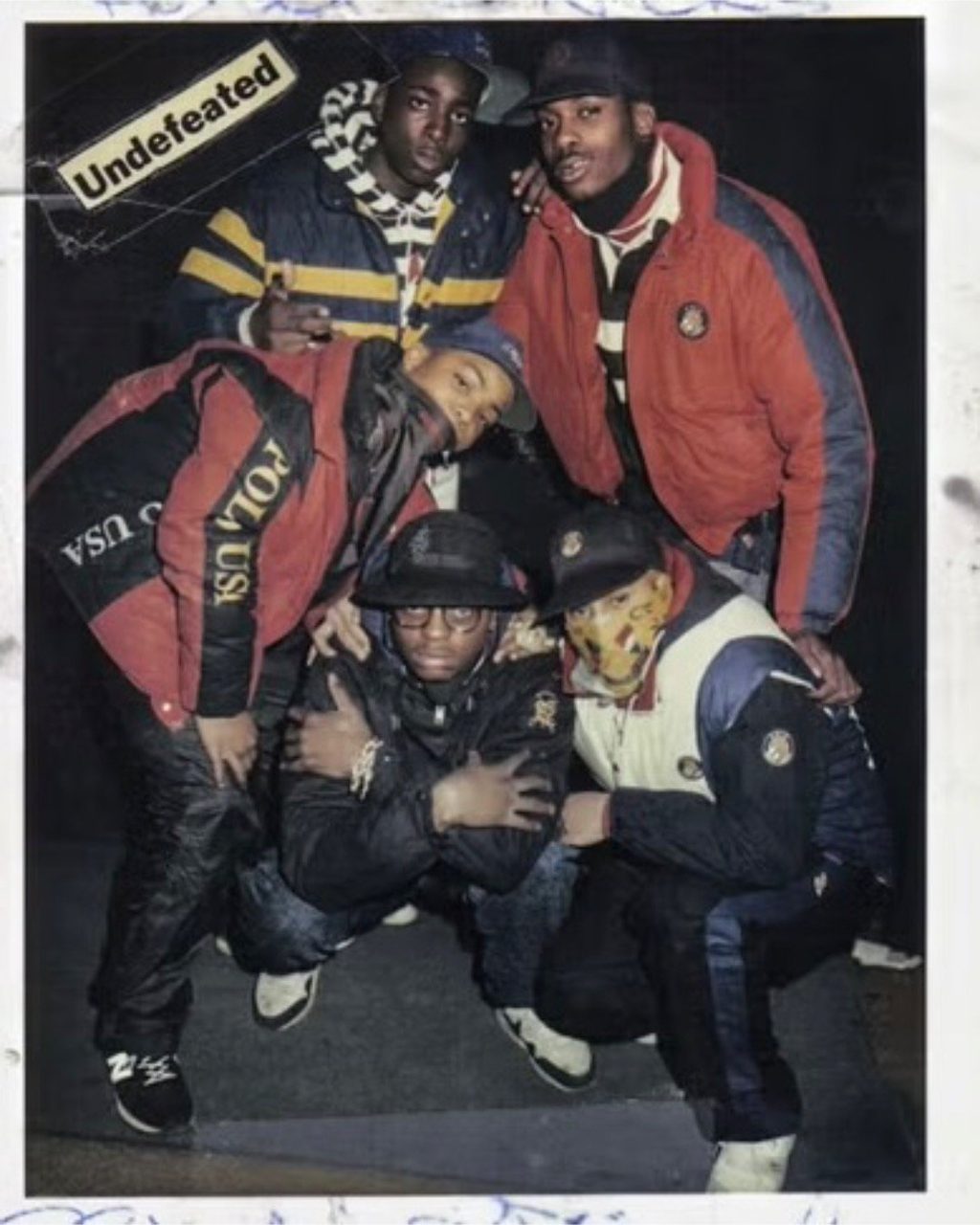
But despite the Lo Lifes introducing Ralph Lauren to a new demographic, and upping its street cred, to this day, they’ve got little credit, even when some of the pieces the lo-lifes popularized were re-released. (They got a shout-out from the company’s house publication regarding re-releasing the retro drops, but that was pretty much it.) Tbf, Lauren is likely salty that the Lo Lifes set the subculture in motion by stealing from the brand, but they’ve more than made up for any lost revenue by introducing it to a whole new demographic.
But Lauren’s tunnel vision on keeping the house aspirational has prevented him from embracing their impact. “Has he ever tried to knock on his door or come from England and say ‘I gotta meet this man?’ We are in his stores trying to see him. When he opens a coffee shop, we come out to see him and we don’t even drink coffee,” Prance-Lo, one of the Lo Life’s members, told WWD.
So in 2018, when Ralph Lauren unexpectedly collaborated with British skate/streetwear brand Palace, the Lo Lifes were confounded. Why, after their outsized impact on the brand’s cultural resonance was overlooked, was Lauren now embracing street culture, without acknowledging that the Los were one of the reasons Lauren was popular among streetwear aficionados?
Still, Ralph Lauren has time to course correct. In their 40s and 50s, the Lo Lifes remain diehard Ralph Lauren devotees. Meanwhile, streetwear is continuing to gain both traction and respect on the high fashion scene, with legacy houses like Balenciaga, Louis Vuitton, and Gucci embracing it. So, what better time to honor the Lo Life's culture-altering impact?
Images courtesy of Thirstin Howl the 3rd
More on Culted