
Le Specs and No Problemo are throwing it back for round two.
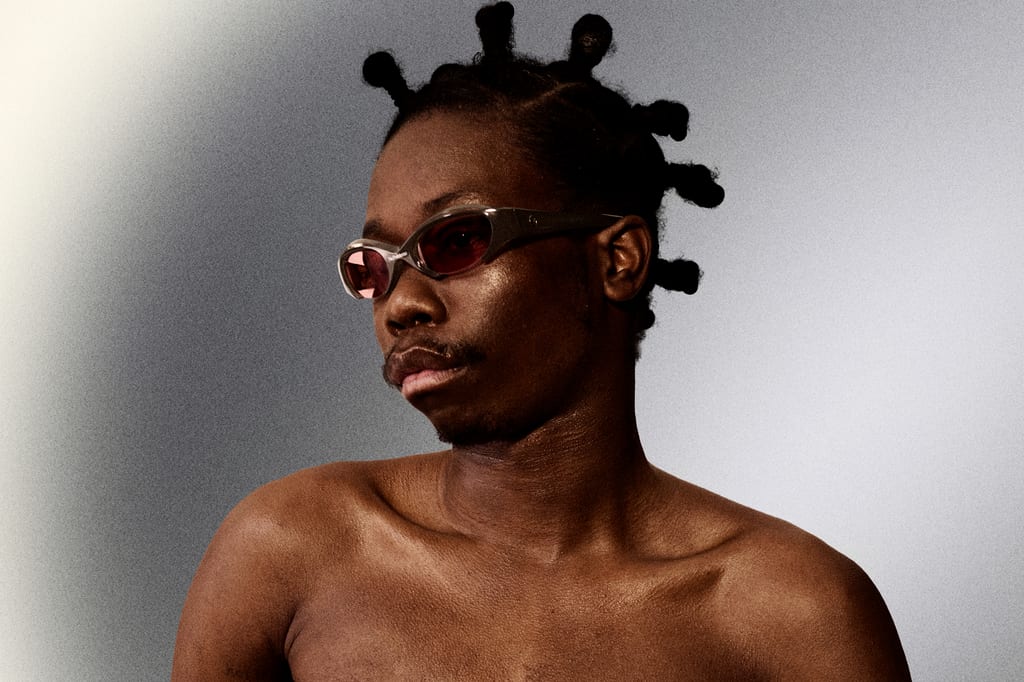
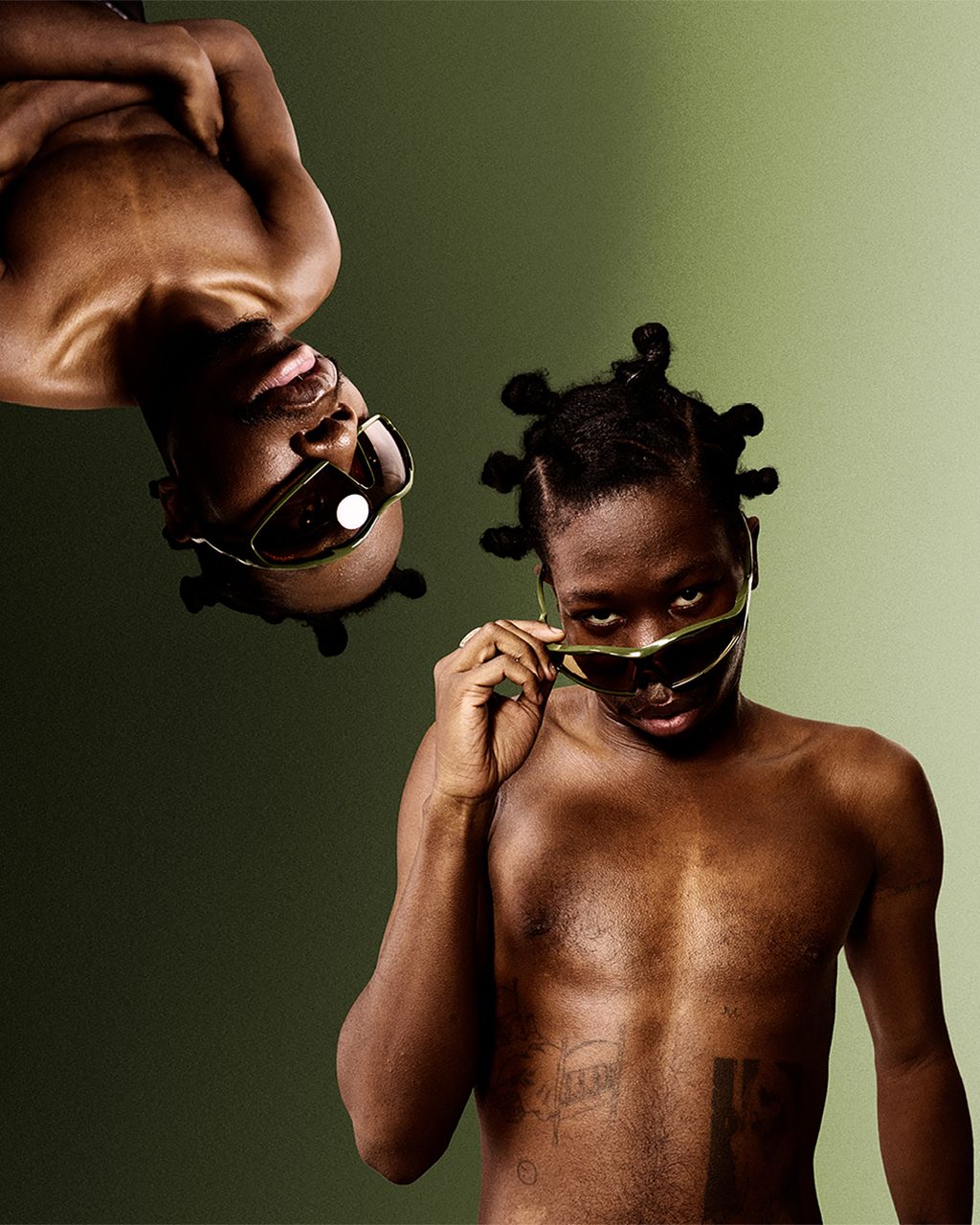
The two brands are back for the second chapter of their collaborative partnership, continuing to blur the lines between futuristic eyewear design, underground subculture and early-2000s racer aesthetics. Building on the momentum of their debut collection, the latest drop pushes deeper into No Problemo’s alien-inspired universe through five new styles that feel equally informed by sci-fi cinema, performance eyewear and speculative design.
For Le Specs, the Australian eyewear label long known for balancing accessible price points with fashion credibility, the collaboration marks a continued move into more conceptual territory. Meanwhile, No Problemo, the cult sub-label from Aries founder Sofia Prantera, has quickly built a distinct visual identity rooted in dystopian graphics, outsider culture and tongue-in-cheek futurism. Together, the brands have created a collection that feels like wearable objects from an imagined future.
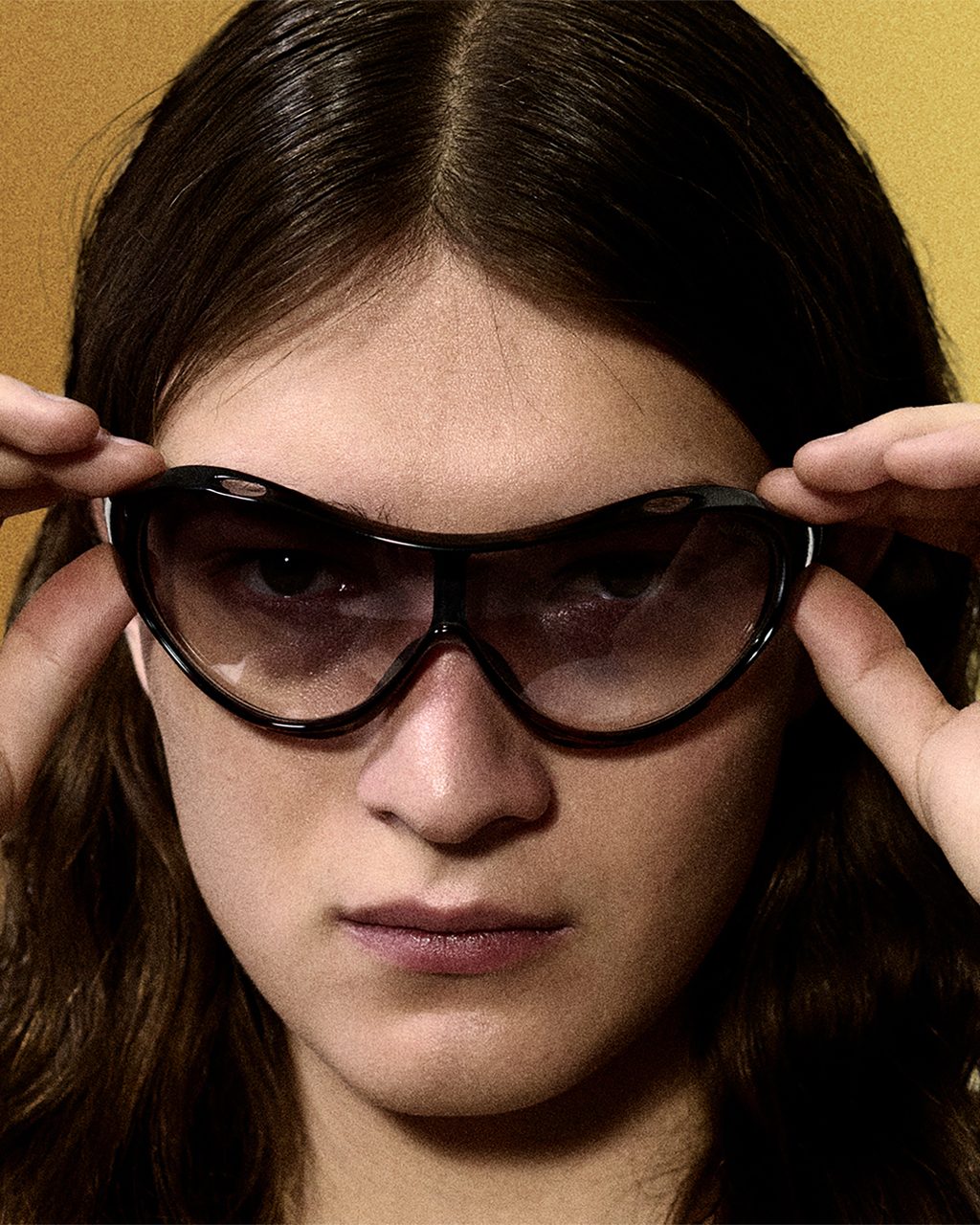
Across wraparound silhouettes, sharp tapered templates and sculptural 3D-moulded frames, the collection explores the tension between nostalgia and futurism that both brands naturally gravitate towards.
As Sofia explains, “With this second drop, we wanted to push the idea of eyewear as a kind of artefact. Something that feels engineered, but also slightly surreal.” Elsewhere, Le Specs creative director Hamish Tame describes the collection as “more resolved, more directional,” reflecting a shared desire to move beyond eyewear as simply an accessory and instead position it as “a statement of intent.”
With this in mind, Culted caught up with Sofia Prantera and Hamish Tame to discuss sci-fi references, racer culture, alien motifs, and why the best collaborations in 2026 are the ones willing to push beyond commercial expectations.
What did you want to push further creatively with the second chapter of this collaboration?
Hamish: It was exciting to see that the most sought-after pieces from the first collaboration were also the most experimental, especially Cyborg and Vortex. For this second chapter, we wanted to lean even further into that world by exploring futuristic athleticism through sharper silhouettes, technical detailing and more sculptural forms.
Sofia: With the second chapter, we wanted to push the visual language further and make it feel more extreme and fully realised. The first drop established a world, but this one goes deeper into the tension between speed, utility and something slightly alien. We became more interested in eyewear as an object or artefact rather than just an accessory, something sculptural, engineered and emotionally charged at the same time.
The collection references early-2000s racer culture alongside futuristic design. What drew you to that contrast?
Hamish: The earliest ideas behind the collection were rooted in alien-inspired motifs and sci-fi references like The Terminator. As the project evolved, racer culture naturally started to shape the direction as well. There’s something really compelling about combining retro sporting references with futuristic design language. The contrast creates a tension that feels fresh and unexpected.
Sofia: I’ve always liked the optimism and naivety of early-2000s tech culture. There’s something very sincere about those old visions of the future, from wraparound shapes and glossy plastics to exaggerated ergonomics and almost cartoonish ideas of speed. At the same time, contemporary culture feels deeply nostalgic because the future we were promised never quite arrived. Bringing those references together felt natural for No Problemo because the brand already exists somewhere between retro subculture and speculative fiction.
Why do nostalgia and futurism work so well together visually right now?
Hamish: I’ve always been drawn to the relationship between nostalgia and futurism because it balances familiarity with innovation. Nostalgia gives people an emotional connection point, while futurism introduces something unexpected and conceptual. When the two come together, it creates a really interesting visual tension.
Sofia: Culturally, we’re in a strange in-between moment. People are looking backwards for familiarity while also feeling anxious and excited about technology, AI and acceleration. Visually, that creates a rich space where you can combine something emotionally recognisable with something uncanny or unknown. The clash itself creates energy.
No Problemo has developed a very distinct visual identity in a short amount of time. How important was it for the eyewear to feel immediately recognisable as part of that universe?
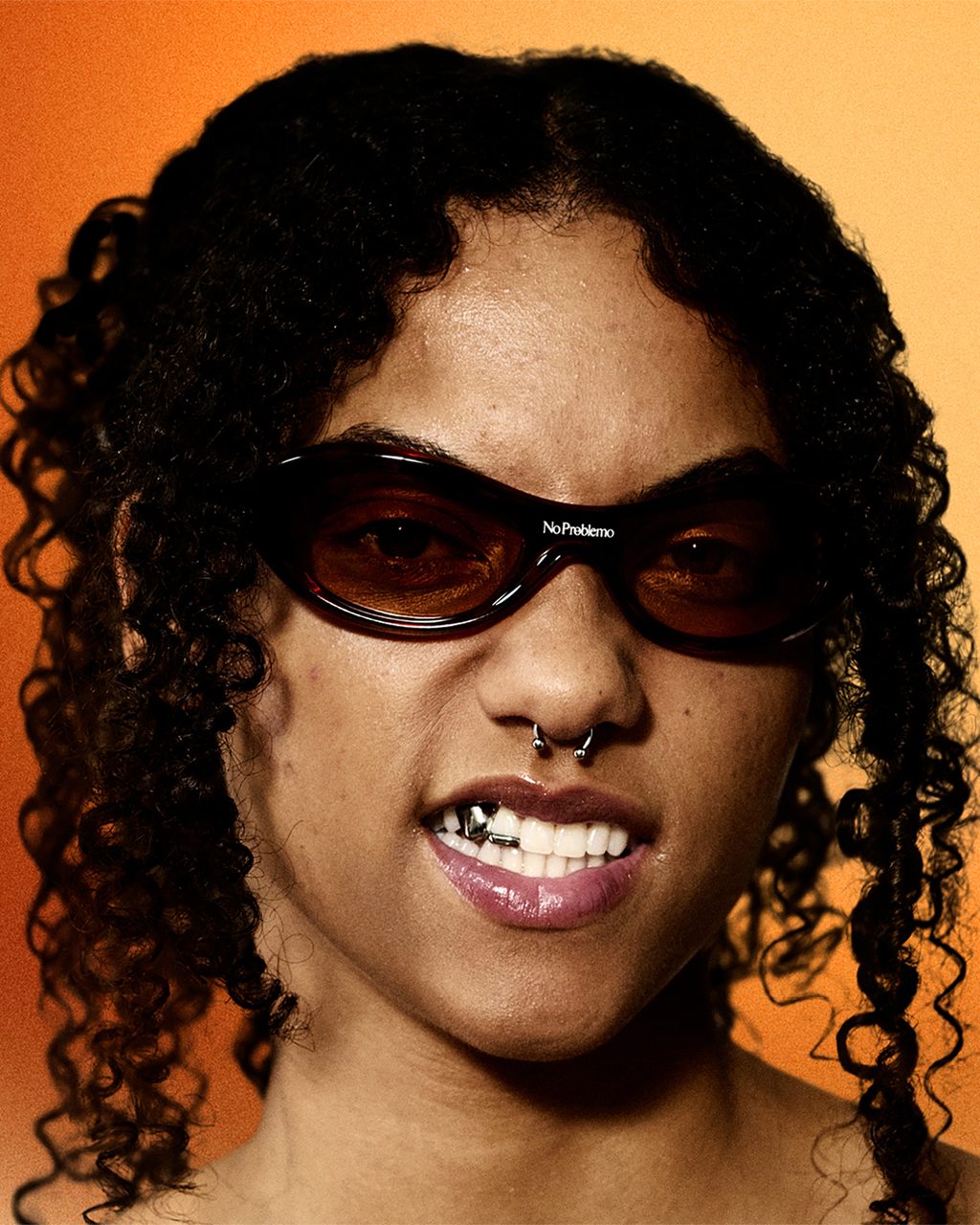
Sofia: It was really important. No Problemo is still a young brand, but the visual identity is already very instinctive and recognisable. Even without the logo, I wanted the eyewear to feel immediately connected to that universe through the alien motifs, sharp silhouettes and the tension between humour and aggression. We were very conscious that the pieces needed to feel identifiable from a distance or even in a single image on a screen.
The collection feels much more sculptural and aggressive than traditional eyewear. Were there any unexpected challenges in translating those ideas into wearable products?
Hamish: The sculptural and irregular forms are central to the identity of the collection and what pushes it into new territory. Technically, that makes the process much more complex, especially when balancing strong visual concepts with comfort, fit and wearability. A huge amount of development went into making sure the pieces still felt effortless to wear despite their more aggressive silhouettes.
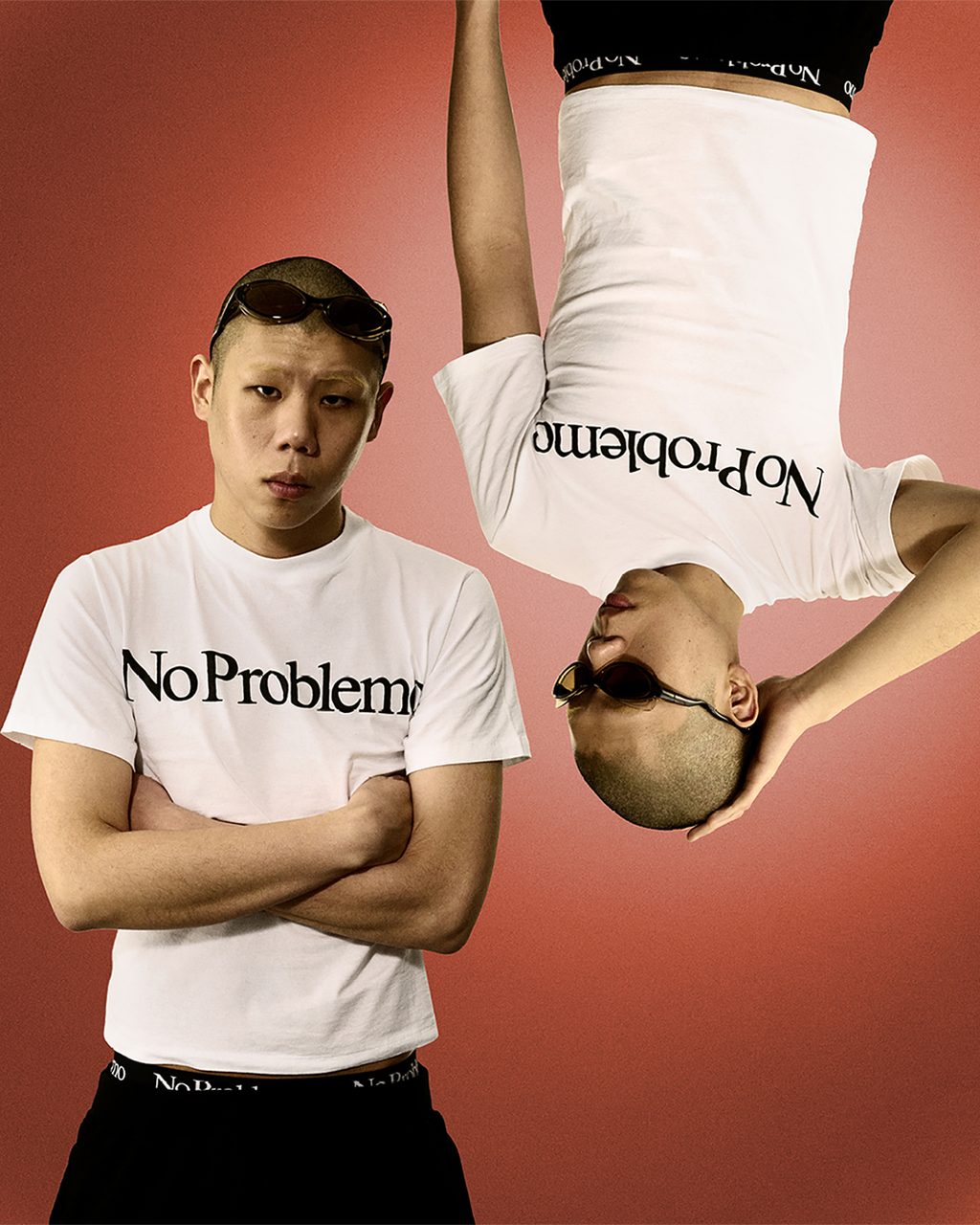
Sofia: Definitely. The challenge is always balancing fantasy with function. Some of the shapes are very sculptural and exaggerated, but ultimately people still need to wear them comfortably every day. Translating those forms into something ergonomic took a lot of refinement. Even small details like the taper of the temples or weight distribution became really important because we wanted the frames to feel futuristic and sharp without tipping into costume territory.
Hamish, how has working with Aries and No Problemo challenged the way Le Specs approaches design?
Hamish: I love collaborating with designers and creatives who challenge conventional thinking, and Sof and the Aries team have such a unique perspective on how far concepts can be pushed. There’s a strong sense of duality in their work, balancing chaos and refinement, nostalgia and futurism, and that encouraged us to step outside traditional commercial boundaries and explore something more unexpected.
Sofia, you described the eyewear as feeling like an “artefact.” What does that idea mean to you?
Sofia: To me, an artefact is something that feels like it came from somewhere else, either from the future or from a forgotten culture. I like objects that feel resolved but difficult to place historically. With these glasses, I wanted them to feel engineered and precise while still carrying something surreal or mysterious, almost like they’d been discovered rather than designed.
The alien motif continues to appear throughout No Problemo’s work. Why has that symbol become so central to the brand?
Sofia: The alien motif has been there from the beginning. “No Problemo” is a phrase Arnold Schwarzenegger says in The Terminator. Beyond that, the alien symbol also speaks to ideas of displacement, curiosity and otherness, which are themes that naturally run throughout the brand.
Eyewear is often treated as an accessory rather than the focal point of a look. Did you want this collection to feel more statement-driven?
Hamish: When designing eyewear, you naturally think about how and where people will wear a pair of sunglasses. With this collection, the process felt much more concept-led. It became about creating a visual identity and bringing a character to life first, which is ultimately what gives the collection its statement-driven feel.
Both brands sit between fashion and subculture in different ways. How important is cultural crossover to collaborations today?
Hamish: With Le Specs, we’ve always wanted the brand to resonate beyond a single audience or community. Right now, there’s more cultural crossover than ever, with fashion intersecting with sport, music and underground culture. When those worlds collide authentically, it can create something genuinely exciting and unexpected.
Sofia: Crossover feels essential now because subcultures no longer exist in isolation. Music, fashion, internet culture, gaming, skateboarding and underground art all bleed into each other very quickly. The most interesting collaborations create a genuine exchange between worlds rather than simply merging logos together. Audiences are incredibly sensitive now and can tell immediately when something feels authentic versus purely commercial.
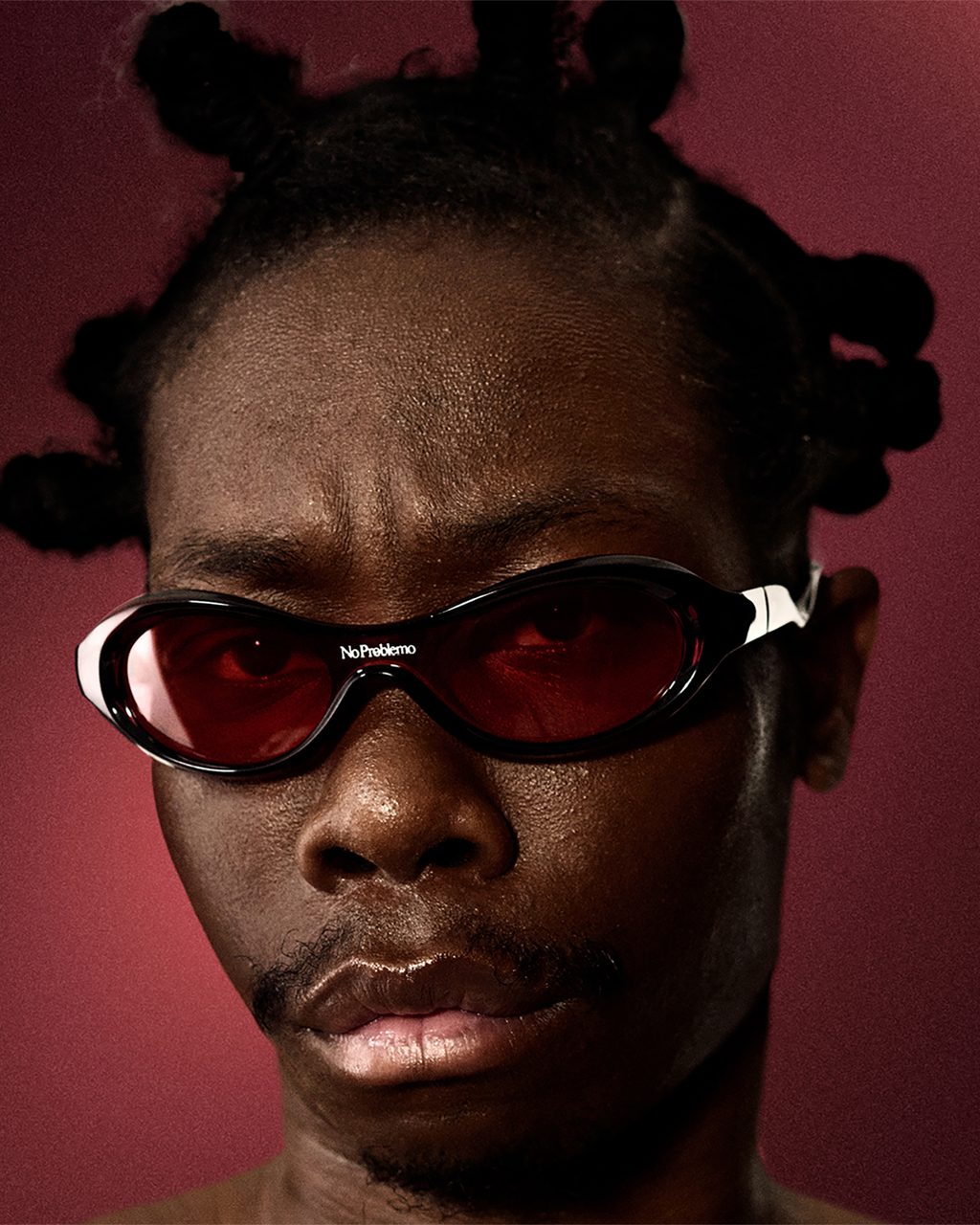
The collection feels cinematic and character-driven. Were there specific films, references or subcultures that shaped the design process?
Hamish: A lot of the early inspiration came from ’80s and ’90s sci-fi films like Blade Runner and The Terminator. From there, we explored alien and insect-inspired eye shapes before combining them with a more modern, sport-influenced design language. We wanted the collection to feel like eyewear designed for characters from an imagined future universe.
Sofia: There were definitely references from late-’90s and early-2000s sci-fi cinema, racer graphics, video game culture and old tech advertising. We were also interested in very direct, high-impact image making where everything feels immediate, cropped, distorted and hyper-visible. Rollo Jackson’s campaign treatment was important because it focused on character and transformation rather than traditional fashion storytelling. Alongside The Terminator, there are also references to ’80s and ’90s music videos like Godley & Creme’s Cry and Michael Jackson’s Black or White.
What makes a collaboration successful in 2026, especially when audiences are constantly exposed to brand partnerships?
Hamish: For me, it comes down to authenticity and genuine creativity. The strongest collaborations happen when there’s enough trust to explore ideas freely without immediately filtering everything through commercial expectations. I always like starting from a simple question like, “What would sunglasses look like with no limitations?” That’s usually where the most original ideas emerge, and Sof has a real instinct for working in that way.Sofia: A successful collaboration today has to create a believable shared universe. People are exposed to collaborations constantly, so simply combining two names is no longer enough. There needs to be a real dialogue between the brands where both sides evolve slightly through the process. It also has to contribute something visually or culturally meaningful, otherwise it disappears instantly.
More on Culted
See: Take a trip to Arizona in Moncler Grenoble’s latest campaign
See: Bad Bunny has linked up with Zara for a new capsule collection