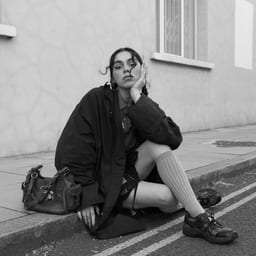

During the early ‘80s, Germany experienced a big punk and new wave movement. It was the first time that experimental music with German lyrics was at the forefront of culture on both sides of the wall – Berlin was split between East and West for three decades, until 1989. With the fall of the Iron Curtain, the rise of its cult, dominant club culture and a new wave of German fashion designers such as Lueder and Ottolinger, here’s how Berlin has grown to its underground style status.
East Berlin and the fall of the Berlin Wall
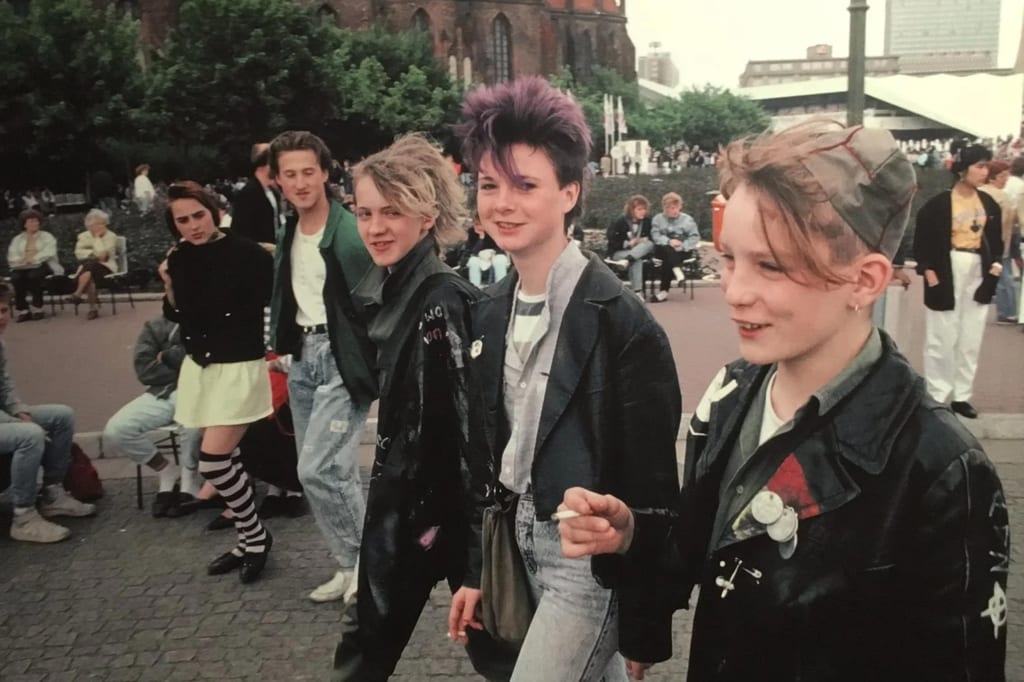
To understand Berlin fashion, you need to look at German punk. Pioneered in the ‘70s by Brit designer Vivienne Westwood and her King’s Road boutique Sex, punk style was repped by the likes of the Sex Pistols, Ramones and The Clash. It included spiked hair, a lot of leather, jeans, studs, chains, safety pins and DIY elements.
East Germany instituted a ban on punks in venues, regarding the subculture as a “leading force behind anti-government activities”, arresting kids across the country. But how has that ever stopped anybody? East Berlin youths would throw illegal concerts in churches, recording the live shows and circulating them on tapes – bands like Wutanfall and Namenlos became voices of anti-authority, expressing the wish of freedom in their lyrics.
Along with that music movement came fashion with designers, such as Allerleirauh, using a lot of dark colours and leather, and Frieda von Wild throwing avant-garde fashion shows, while photographers Sibylle Bergemann and Sven Marquardt (now-notorious bouncer at Berghain) captured the zeitgeist.
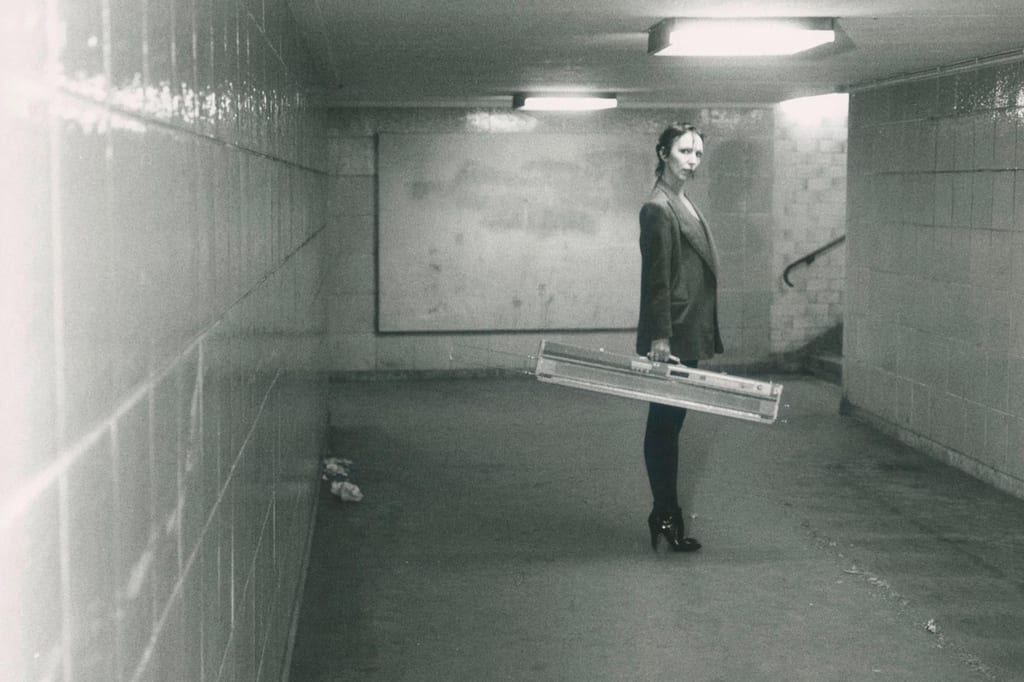
In West Berlin there was Claudia Skoda. The cult fashion designer is rooted in Berlin’s cultural history with her maximalist punk collections featuring knits and leopard prints, and her guerilla fashion events – attended by her friends Iggy Pop and David Bowie (whenever they were in town) and Brit band The Vibrators performing. Because while the Eastern side was rebelling, the West had become a free-spirited space for creatives around Europe.
The fall of the Berlin Wall launched an era of political and cultural melding between the West and the East. It was the first time East Berliners could try drugs and party without a legal curfew. Old buildings were abandoned around the fallen borders, hosting an uprising of electronic music, and the united German capital became a hub for punks, outsiders and freethinkers, all getting together and dancing til dawn.
The rise of techno
After the wall fell, acid house ravers would hop from abandoned building to abandoned warehouse, and the sound slowly evolved to a more minimal, harder techno beat.
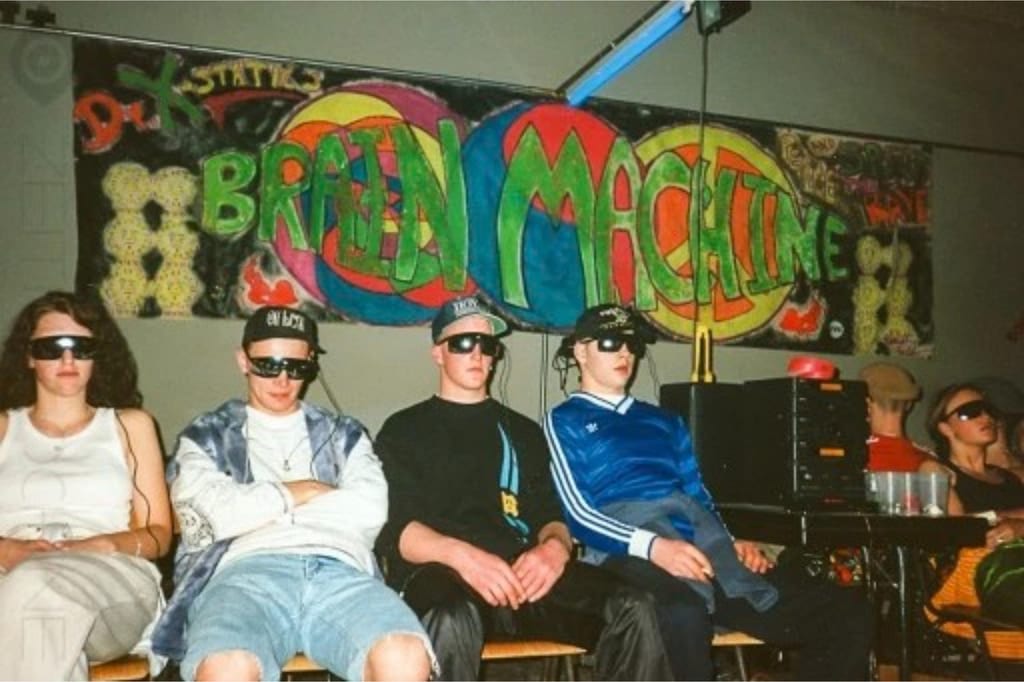
In its early days, before it was gentrified by finance bros on a lads trip, “techno was political and totally against the system,” legendary DJ HELL told MixMag in 2019. Cult club Tresor, which still exists today, brought in DJs from Detroit, New York and Chicago – introducing the new sound of techno to Europe, and establishing Berlin’s techno culture. There was also Love Parade, a yearly electronic music festival where visitors would party on the streets, which started out in 1989 up until 2003.
Ravers would opt for comfortable clothing; worn to dance, not show off. You’d see your usual ‘90s raver uniform of adidas and Puma trackies, T-shirts and jeans, but the punk aesthetic of the ‘80s stayed on.
Sex clubs in the ‘90s
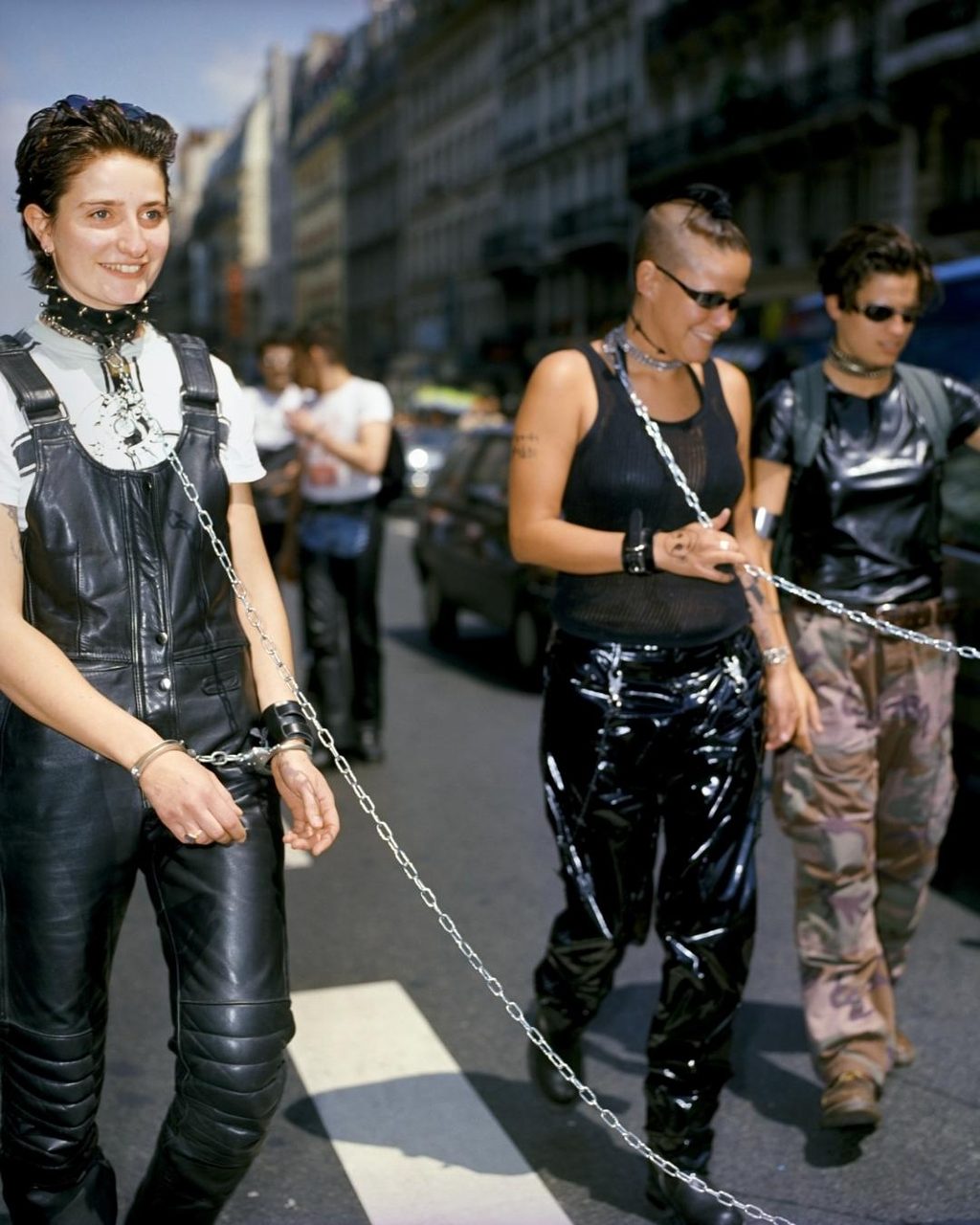
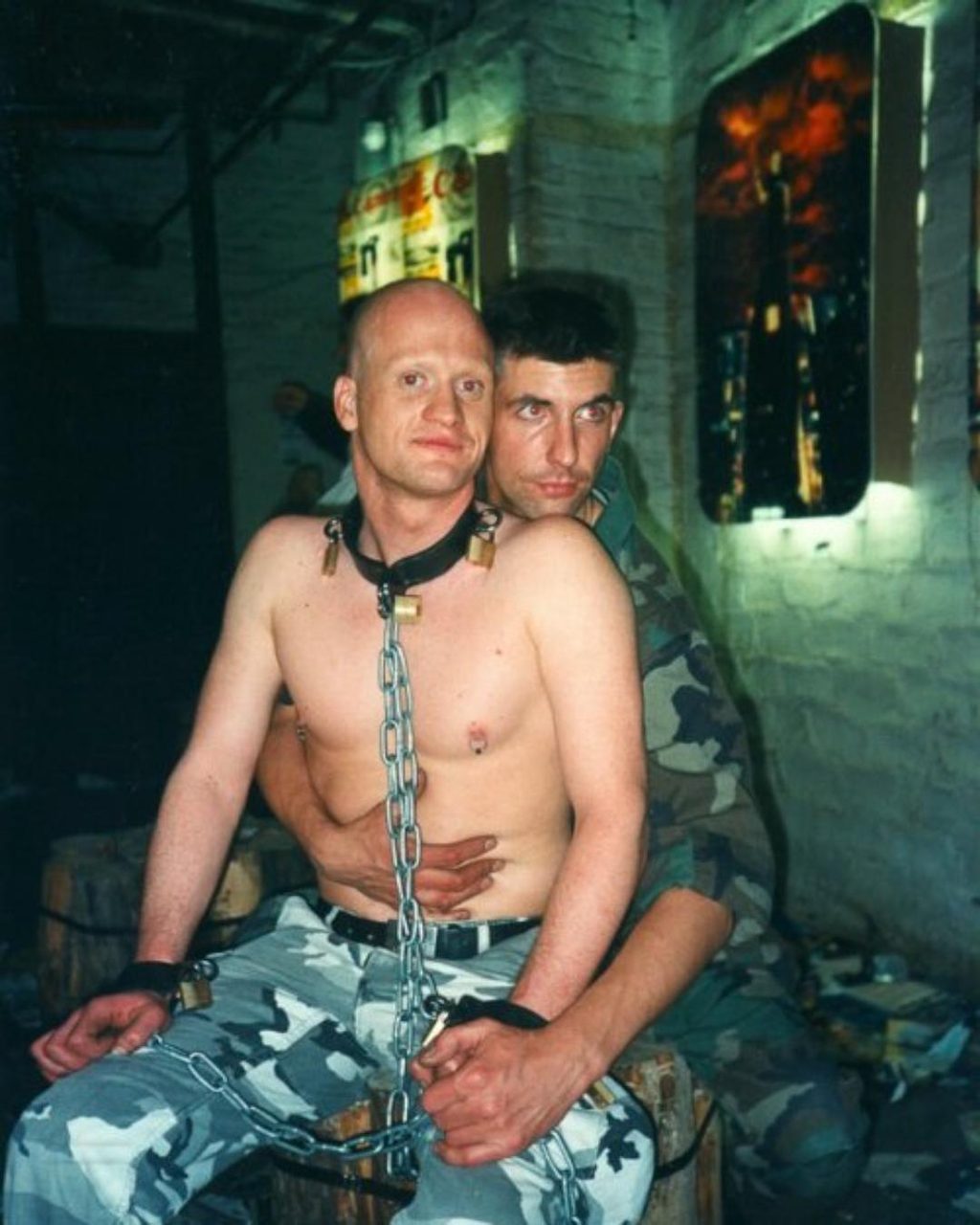
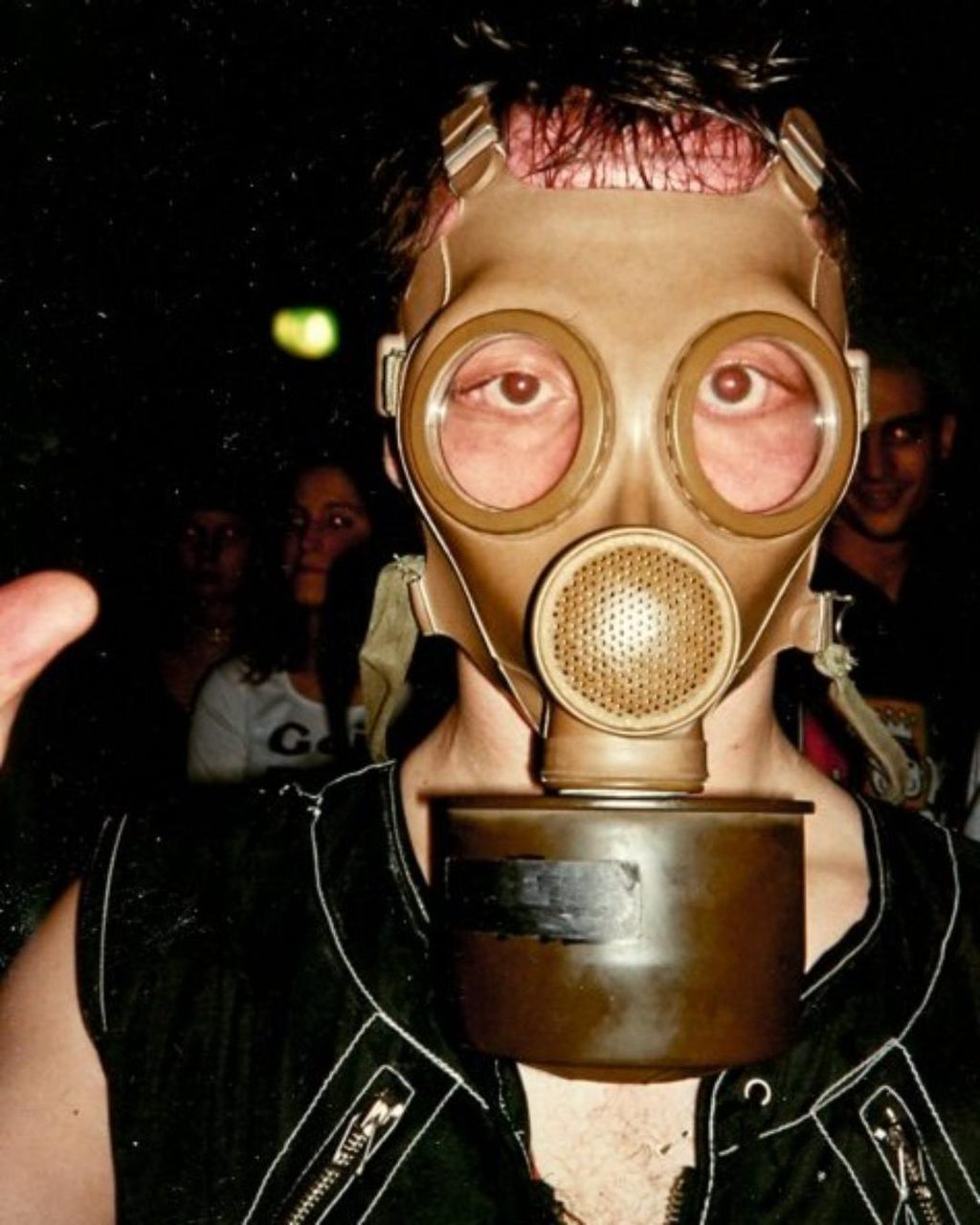
The fetishwear and bikerwear that followed from the ‘80s – Madonna, Blondie, Depeche Mode and many others wore leather, lingerie and harnesses by designers Jean Paul Gaultier, Stephen Sprouse and Pam Hogg – came into play with the rise of sex clubs, which encouraged the fetishcore Berlin aesthetic of the ‘90s.
And gay club Snax, the predecessor of Berghain, threw the best men-only sex parties called “Pervy Parties” in different locations across Berlin. In 1998, they took over an old factory building and Ostgut club opened for a both gay and straight audience, prioritising local DJs. Ostgut also included the Lab.oratory, a private sex club that included dark rooms, chains, swings and generally allowed customers to be crazy and free. Clubbers purely dressed for comfort (or not dressed at all) and copped accessories that would accompany them in their Lab.oratory activities.
The club that launched a thousand black fits: Berghain
The German capital has a massive wave of techno tourism coming to the city to experience the clubbing culture there, so much so that Berlin clubs have now become UNESCO heritage sites. But although techno was rising in Europe all through the ‘90s, it wasn’t until the mid-2010s that it started attracting the fanbase that it has today – in the music world but also the fashion world (see Bottega Veneta’s Fall 2021 collection, which was infamously presented in Berghain).
Berlin’s most renowned club, Berghain, housed in an old Soviet power station since 2004, has built its cult legacy through its great sound, massive queues, strict no-photo policy and legendary, mysterious bouncer Sven Marquardt (who’s been guarding the club’s doors since its Snax days). And its Lab.oratory, deemed Berlin’s “most extreme sex club” by Rolling Stone, evolved from the Ostgut era.
At its start, clubbers would show up in comfortable, minimal clothing, but as social media and the techno scene developed, so did the fits. Brenda Hashtag-worthy head-to-toe blacks, fetishwear, thick boots and leather have become the staple uniform for people trying to get into the venue.
View on TikTok
With Berghain fit curations on TikTok (#berghainfits has 55m posts) and “how to get into Berghain” guides with tips that range from dressing in black, minimal outfits and/or fetishcore to arriving in small groups, the club has reached a must-visit status for all Berlin visitors. But the most important drip of all is being genuine and confident. Marquardt’s advice for passing through his guarded door? “Don’t be afraid. People who are afraid aren’t very good at partying,” he said in an interview with the Guardian in 2014.
To this day, Berlin club culture prioritises dressing for comfort, confidence and self-expression, keeping a low-profile vibe, rather than flexing your fits. Berlin’s got this anti-capitalist stance of anti-fashion, but now people see it as an aesthetic rather than a political viewpoint.
Minimalism, the Demna effect, and the rise of Berlin Fashion Week
In recent years, the Berlin fashion scene has risen in the zeitgeist. Brands such as Lueder, Haderlump, GmbH, Ottolinger, Maximilian Gedra, No Faith Studios, among others, have brought a dystopian take on minimal utilitarian aesthetics. Berlin Fashion Week has established an international platform for an array of young designers pioneering underground fashion.
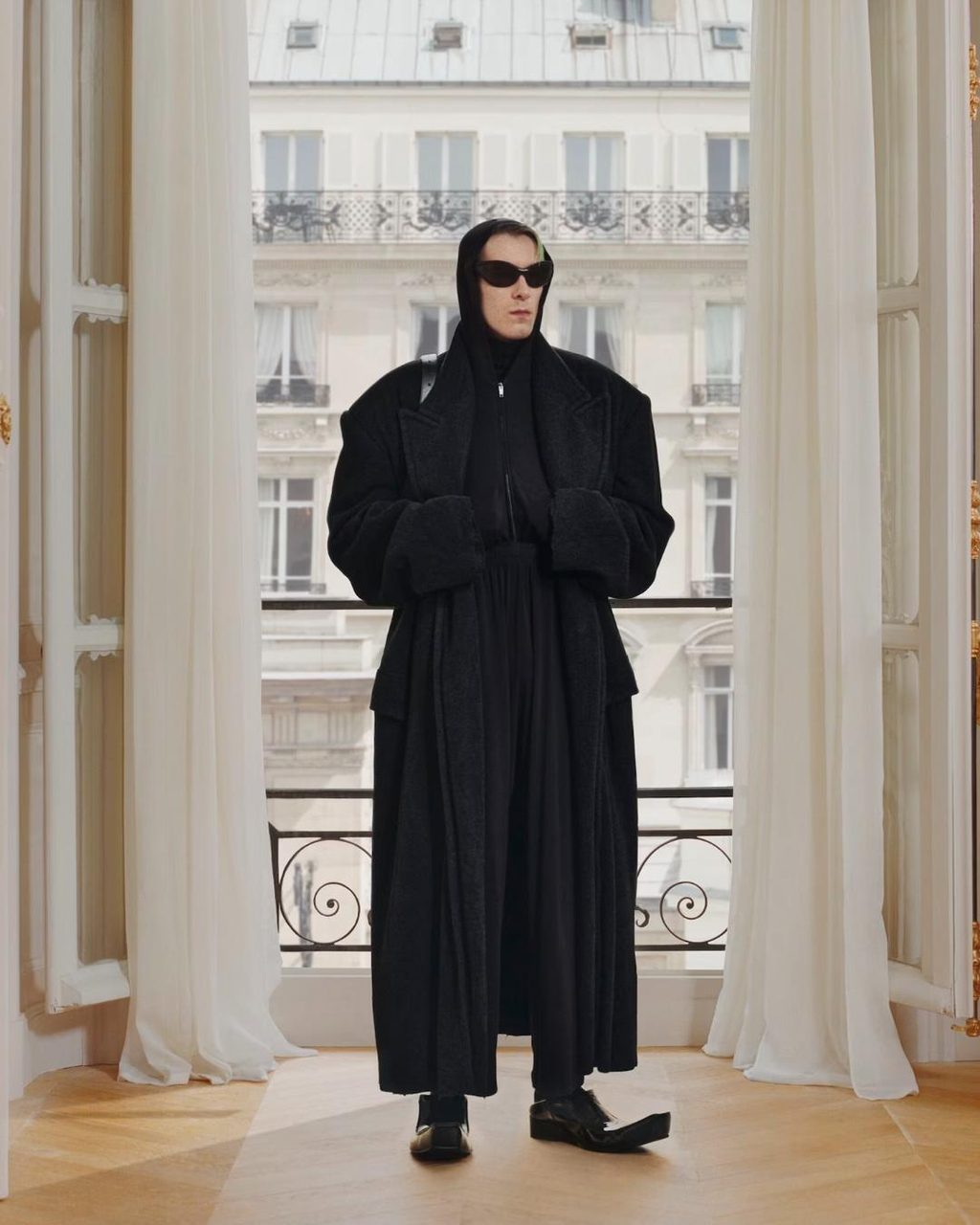
And a lot of designers, such as Vaquera and Rick Owens (who’s known for his love of techno), have that vibe embedded in their designs, but Demna Gvasalia joining Balenciaga as CD in 2015 is what has spiked the aesthetic in the mainstream zeitgeist. By bringing his Soviet upbringing (he was born in Soviet Georgia and lived in Ukraine and Russia before moving to Germany with his family) to the French house, Demna has innovated streetwear on the runway by embedding sportswear, sociological uniforms and futuristic takes on casual everyday-wear. His love for casual black dressing and techno – in his SS19 collection he even embedded “I Love Techno” slogans on his pieces – opened Soviet-influenced streetwear to the luxury world.
More on Culted