
A fashion house is usually founded on the vision of one person: a creative who pours their aesthetic sensibility, politics, skillset, and inspiration into forming a brand that will stand the test of time. That brand may shapeshift with the seasons, but with its founder at the helm, it will usually retain its signature codes.
But founders can’t lead their brands forever: their houses will often outlive them, with their direction placed in the hands of corporate giants (think LVMH and Kering), family members tasked with looking after their estate, and, of course, the long line of creative directors entrusted with designing the clothes in their stead.
CDs, however, are a force to be reckoned with: they’re artists, and though they may harbour a deep respect for the brand’s history, just like the OG founders, they have their own unique vision. So, how can they make their mark without eclipsing a house’s core identity?
For his Dior debut last week, Jonathan Anderson heavily referenced the house’s past, telling Vogue Business that “the dialogue with history and the archive is constant.” He re-worked archival couture dresses to create trousers and jackets, re-imagined Dior’s famous Bar jacket in Donegal tweeds, and referenced the 19 year tenure of seminal former CD Marc Bohan. This time, and his willingness to play by the rules paid off: with fans and the press lauding the collection for feeling fundamentally Dior.
Of course, the extent to which CDs can get creative depends on commercial demands as much as anything else. When Marc Jacobs revamped Perry Ellis in 1993, he was fired. But often, creative directors are hired precisely to shake things up. When Alessandro Michele took the reins at Gucci back in 2015, he upended the brand’s classicism in favour of an eccentric, '70s-style geek-chic sensibility. And despite the old school Gucci fanatics who felt the house had been lost in the eclecticism, financially, it paid off, with Gucci’s revenues mushrooming from under 4 billion euros to around 10 billion by the time Michele left the company in late 2022. With Demna, however, its approach is more conservative, with the brand stressing that he will be building on what already exists.
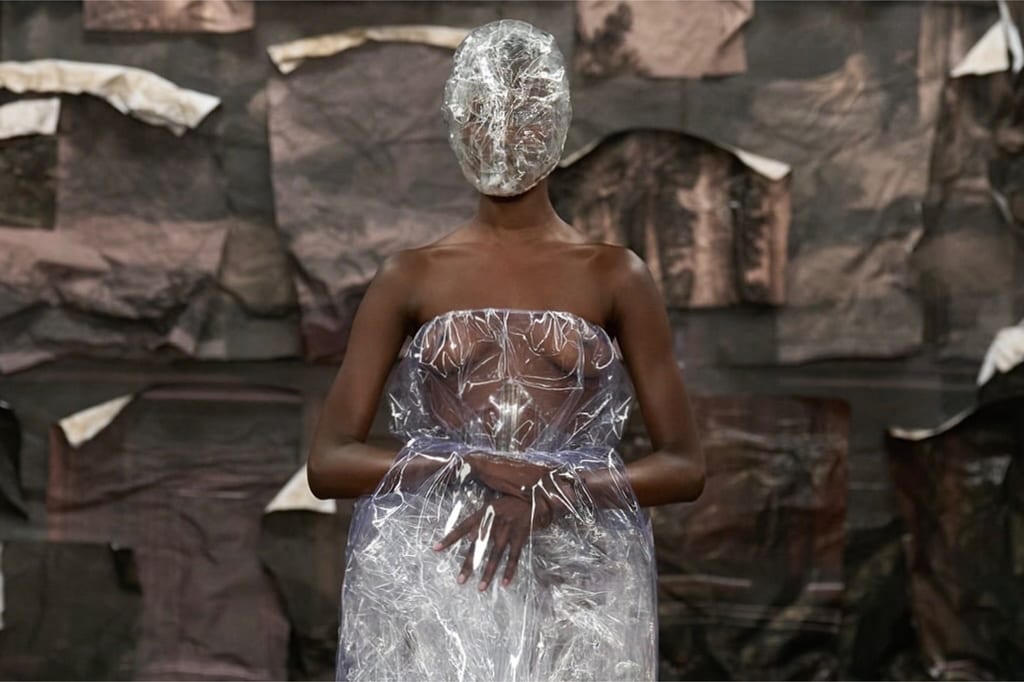
The key to understanding the brand’s DNA, it seems, is a dive into the archives: the peppering of each collection with references the faction set can hunt out with enthusiasm. Even though their shared sock boots and oversized silhouettes meant that Demna’s Balenciaga shared similarities with Vetements, he heavily referenced the gowns and silhouettes of the brand’s founder, Cristóbal Balenciaga. Even Michele worked Gucci archive prints and symbols, like the bee, into his overhaul. (This is ofc, complicated by the current game of CD musical chairs: people might not like it when Gucci feels too Alessandro, but it adds another layer when Valentino feels too Alessandro-for-Gucci.) Glenn Martens’ Margiela debut on Wednesday, too, heavily referenced the brand’s archival masks—much to fashion fanatics’ delight.
But taking over a brand is also an exercise in experimentation. Designers can’t spend their tenure attempting to read the minds of long-departed founders in order to replicate what they may or may not have done next: to do so would be futile, run counter to creativity, and leave the brand stuck in the past. So the references can be subtle: easter eggs that prove a solid attempt has been made to understand the house’s past in order to shape its present.
Featured image via Getty©
More on Culted