
Chrome Hearts has filed a trademark infringement lawsuit against Nordstrom, alleging that the department store sold accessories featuring cross motifs that closely resemble some of the luxury brand’s most recognisable designs.
The complaint, filed in California Federal Court, points to a range of products, including belts, jewellery, and other fashion accessories, that Chrome Hearts claims borrow heavily from its protected cross imagery.
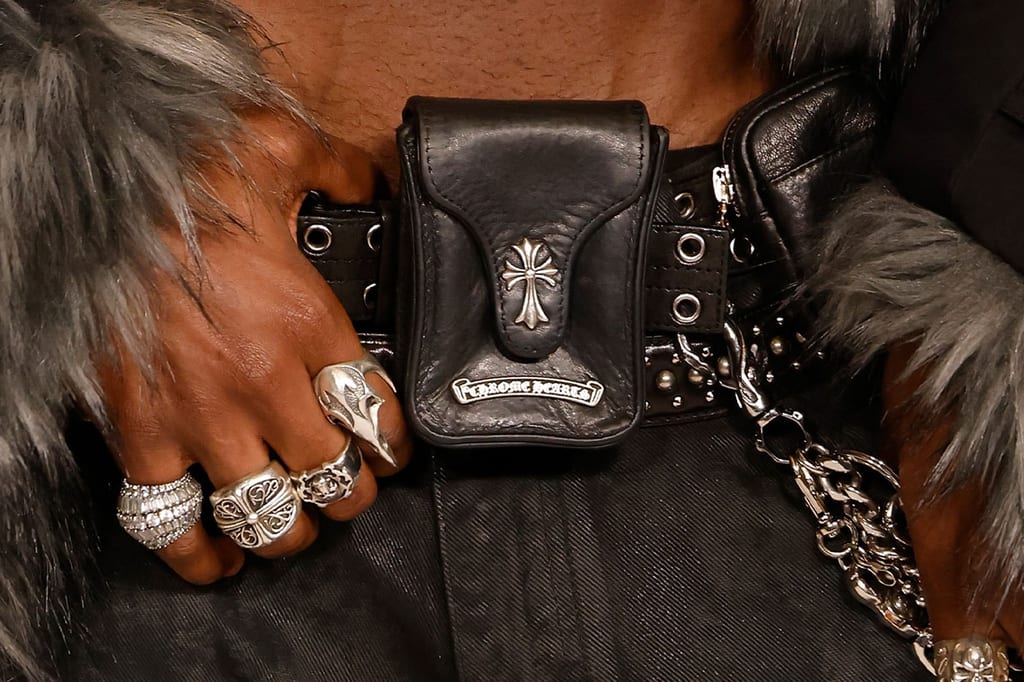
At the centre of the dispute are Chrome Hearts’ signature CH Cross and CH Plus designs, which the company says have become synonymous with the brand after decades of use across its collections. Founded in 1988, Chrome Hearts has built its aesthetic on gothic-inspired motifs, particularly its ornate cross symbols, which frequently appear on clothing, jewellery, leather goods and home accessories. The brand argues that these designs have gained significant recognition among consumers and function as trademarks, not simply decorative elements.
According to the lawsuit, Nordstrom’s products feature cross designs that are either identical or substantially similar to Chrome Hearts’ registered marks. The company claims that shoppers could reasonably believe that items are affiliated with, licensed by, or produced in collaboration with Chrome Hearts, creating confusion in the marketplace and potentially diluting the value of its trademarks.
Chrome Hearts is seeking damages as well as an injunction that would prevent Nordstrom from continuing to sell the disputed products. The case also highlights a broader issue within the fashion industry, where courts should draw the line between decorative design elements and brand identifiers. As logos and signature motifs become increasingly central to luxury branding, disputes over trademark ownership and consumer confusion have become more common.
The lawsuit joins a series of intellectual property battles involving Chrome Hears, which has consistently taken an aggressive approach to protecting its trademarks and visual codes. The outcome could have wider implications for retailers and designers that incorporate similar ornamental motifs into their products.