
Brands hopping on viral trends has the same effect as your nan taking up vaping; it immediately becomes the deadest thing ever. From the rapid decline of “demure” to the sudden end to the “suitcase packing” trend after corporations adopted both in hoards, let’s take a look at the real culprit sticking the nail in viral trends’ coffins: brands.
What’s the lifespan of a trend?
It feels like the life cycles of viral trends on social media are only getting shorter. Back in the day, trends like “doge” or “John Cena” used to thrive on the internet for years, to the point that they're basically unavoidable when reminiscing about social media in the 2010s. But now trends have a life cycle of a matter of months or even weeks before they become “cheugy” (and that’s one example in itself).
While we might be tempted to blame the declining lifespan of online trends on platforms like TikTok, which encourage constant newness through constant scrolling, there’s a bigger culprit taking trends out before they can fully mature. Jumping on viral moments just as they reach virality, corporations have the tendency to make everything feel stiff and performative, and as a result, they’re killing trends.
When brands find a box, they get in it
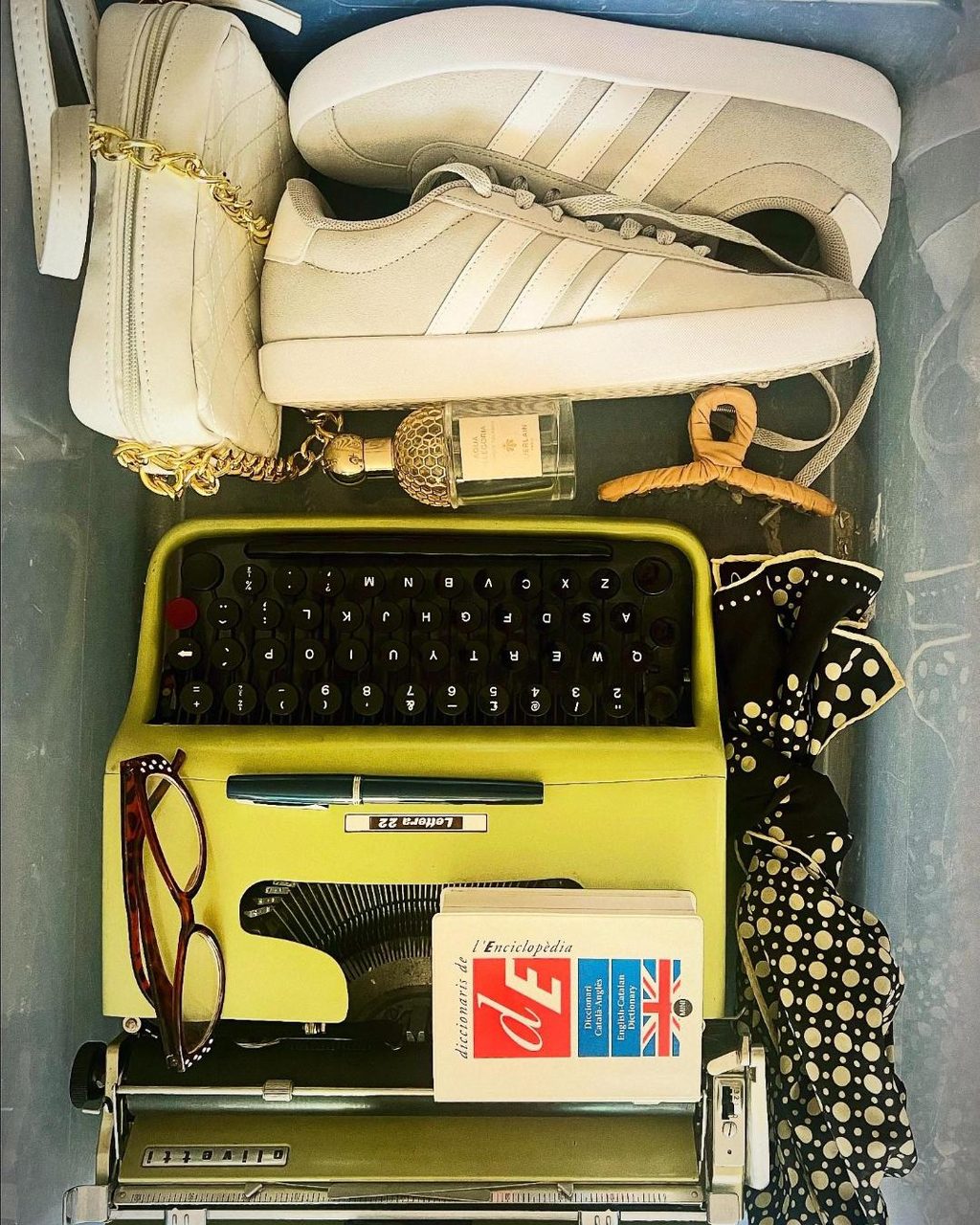
Take the “aesthetic suitcase packing” trend for example, the viral Instagram trend that involved users taking birdseye pictures of their full-to-the-brim luggage with strategically placed Fendi baguettes and Off-White sneakers balancing on the top. Whilst it was big when it involved suitcases, the “aesthetic suitcase packing” trend transformed into an even bigger and arguably more trademarkable trend earlier this year in the form of the “airport tray aesthetic.”
In a matter of weeks we were seeing carefully filled airport trays all over our feeds. People’s easy access to the trend plus the ability to personalise it how you liked meant that so many people were jumping on it at the same time, and it hit viral velocity in about July/August. But before long, it was dead, and we can thank brands for that.
It's not very demure, very mindful
View on TikTok
The same thing happened to TikTok user @joolieannie aka Jools Lebron’s viral slogan “very demure, very mindful,” which blew up in August this year. After a mere few days of the internet going wild for her videos describing what it takes to be “very demure,” with the hashtag on TikTok gaining over 300k new videos in a matter of weeks and her follower count rising to over 1.5 million practically overnight, brands started noticing the trend too and swarmed on it like flies.
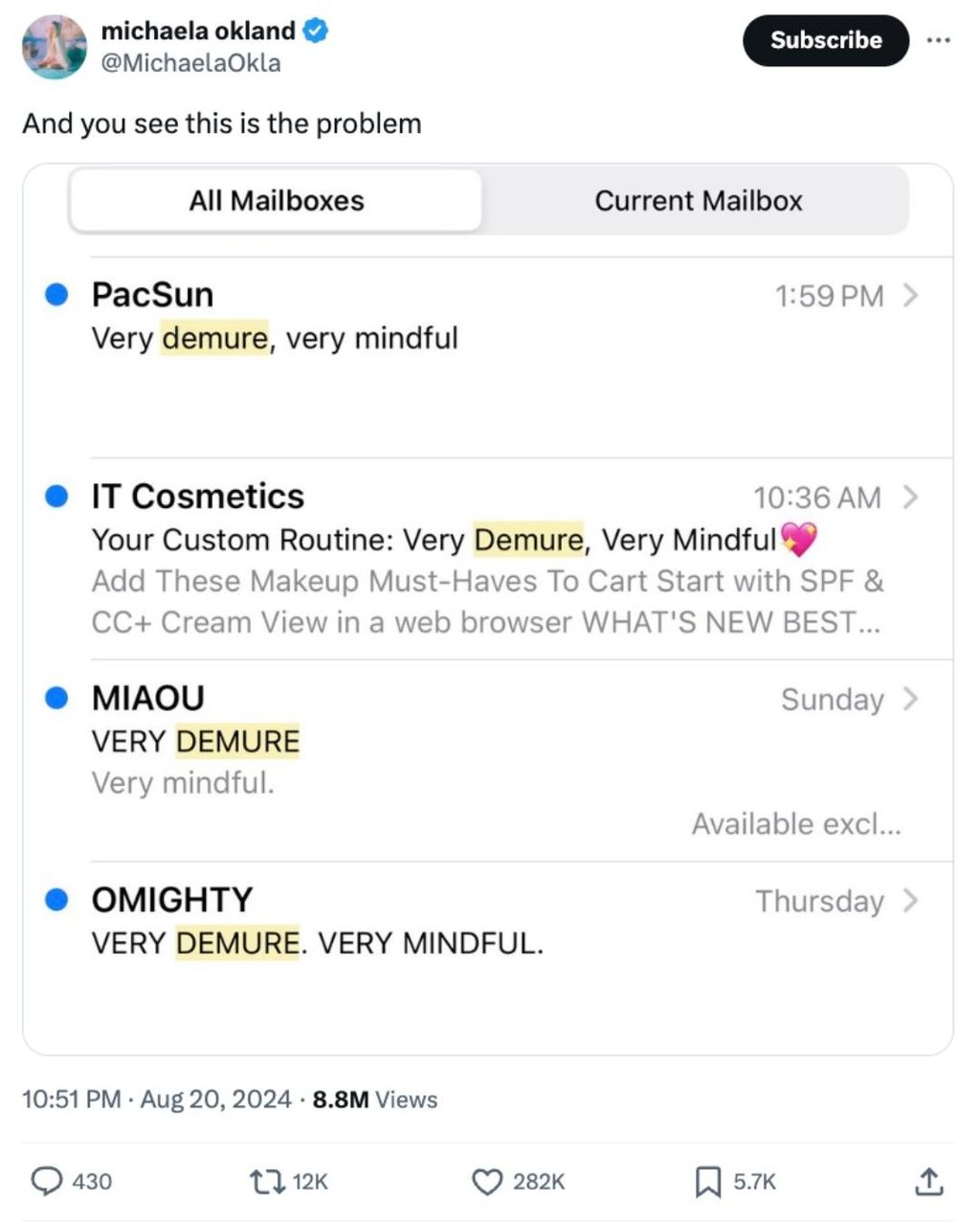
After Jools Lebron failed to realise she needed to trademark the phrase, letting someone else get there first, brands had free rein to do whatever they wanted with the words “very demure.” Within days, our feeds, inboxes, and timelines were flooded with the phrase, with every brand under the sun using it to push its latest drop, caption its new post, or as the title of its weekly newsletter. That’s one way to kill a trend before it's really even started.
Not every brand is a trend killer
View on TikTok
Saying that all brands kill trends is a pretty generalising statement, and we have to accept that there are a select few that do seem to just get social media. For one, everyone’s favourite internet personality Marc Jacobs knows what it takes to be a fashion brand that understands TikTok.
Enlisting content creators to feature on the brand’s TikTok account, Marc Jacobs has been pulling stunts like working with the infamous @sylvaniandrama account and even dropping its own TikTok account password in a video (marcjacobs123). LOEWE’s another high fashion brand that seems to be getting it, captioning a post yesterday “If this gets two thousand likes the intern gets to stay another week.”
What sets some brands apart from the rest is when their approach to viral moments shows an awareness that the users behind said trend are real people with real lives. We tend to forget that the likes of Jools Lebron can have their lives massively impacted by their posts going viral, with Lebron herself even saying that “I’m gonna be able to finance the rest of my transition” since going viral.
We’ve got to protect Moo Deng
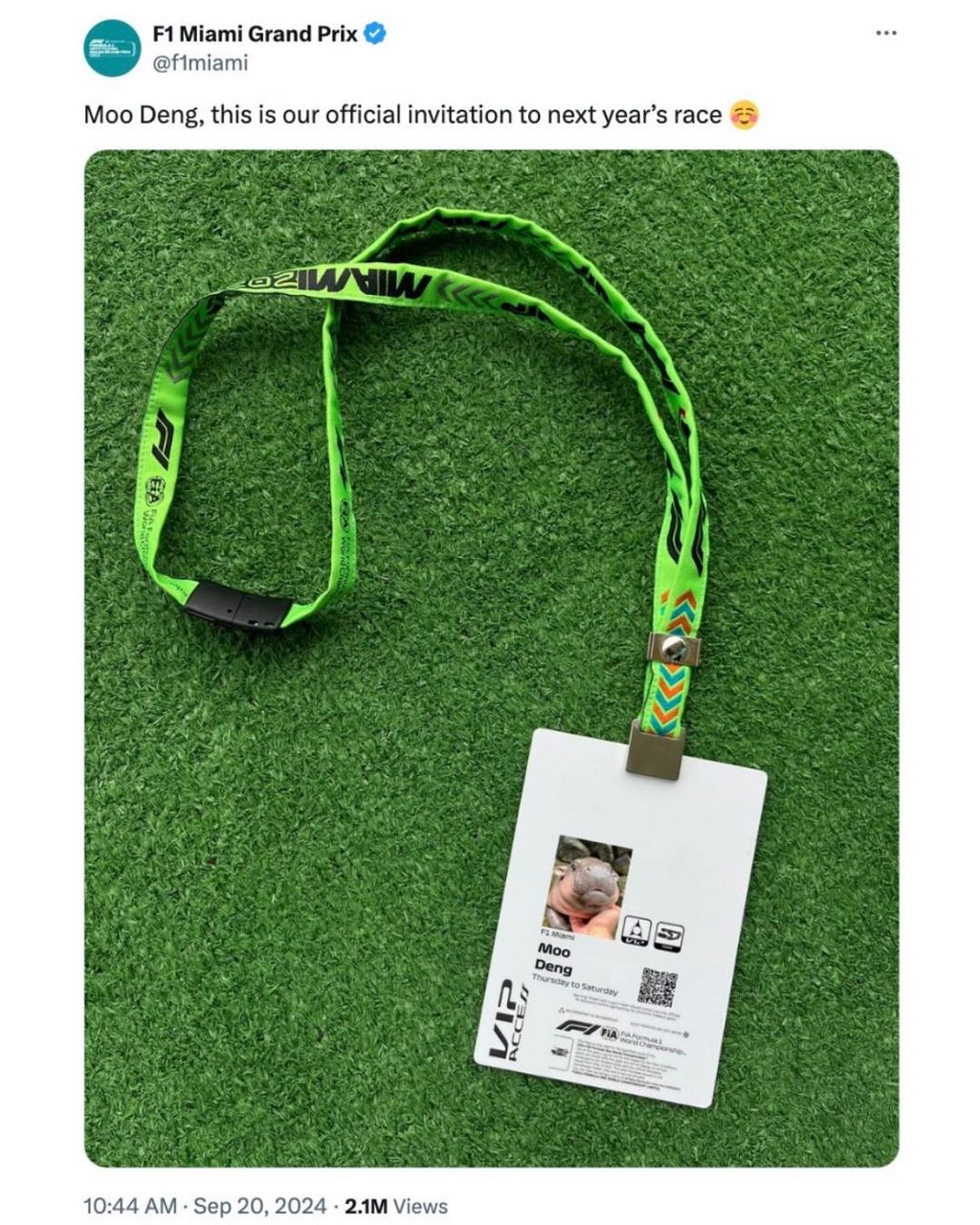
We need to stay self aware when brands start hopping on trends and dragging them into obscurity. It's easy to say “that’s so over” and throw a viral trend in the bin, but we need to keep in mind that these aren’t just viral trends. They’re real people, businesses, and even animals with real lives that we can help improve. For example, the zoo where Moo Deng (the baby hippo that’s the internet’s current fication) lives has seen visitors rise from the usual 3,000 to 10,000 visitors over the weekend. Don’t let brands convince you Moo Deng is cheugy.
Featured image via Bottega Veneta©
More on Culted
See: Daniel Roseberry turned basics into couture at Schiaparelli SS25
See: Here’s what we think of Dries Van Noten’s first collection without Dries