

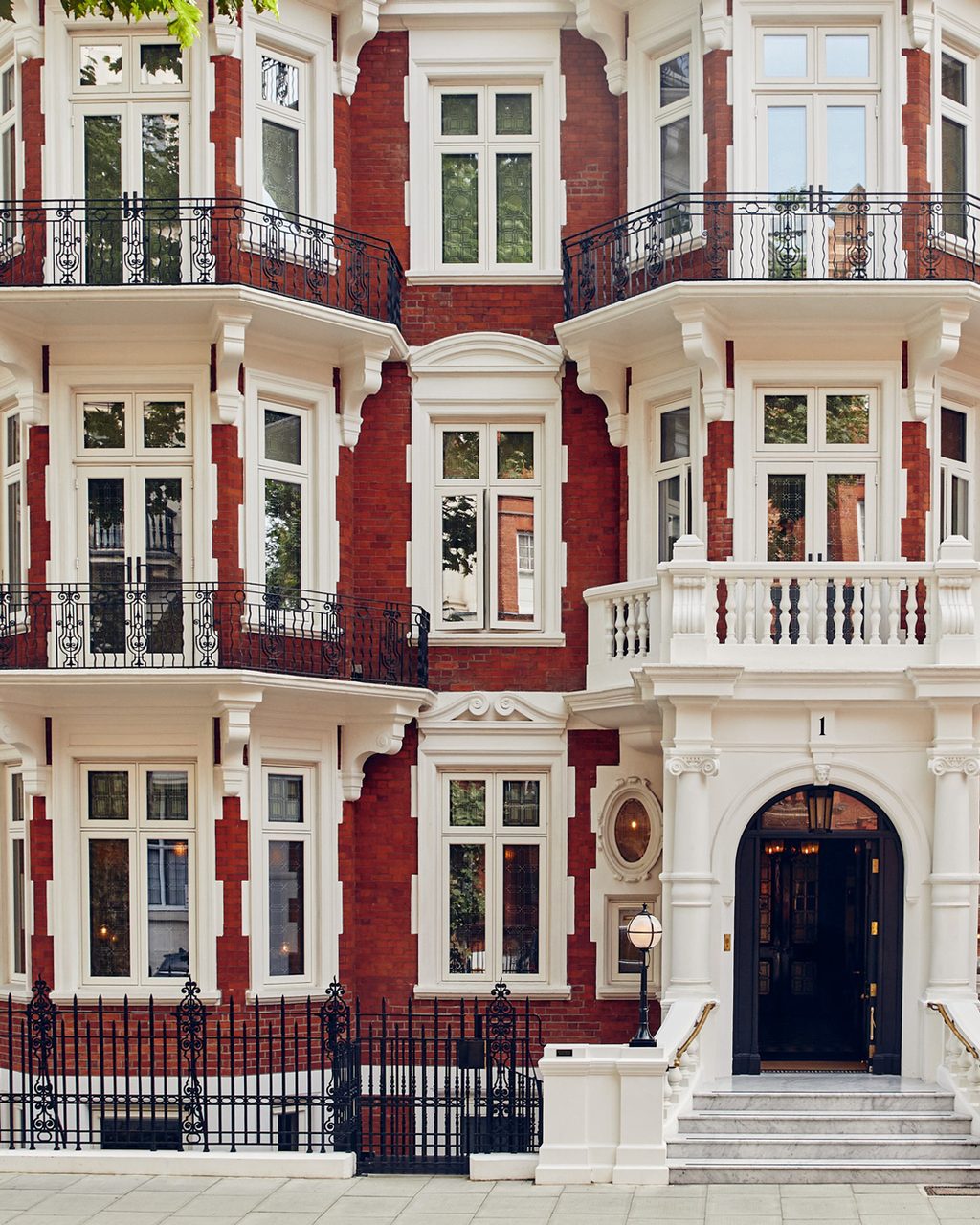
You could walk straight past ...At Sloane without ever realising it was a hotel. Tucked behind a discreet Victorian façade just moments from Sloane Square, there is little of the theatre usually used to announce a five-star address. No sprawling lobby, no obvious displays of wealth and very little that immediately feels like a conventional hotel.
The hotel has been conceived as an exceptionally considered private residence, where the feeling of staying in an English townhouse takes precedence over the familiarity of international five-star hospitality. ...At Sloane is a place where British character meets Parisian sensibility throughout, creating something intimate, warm and deliberately difficult to categorise.
Much of its world is down to French architect and interior designer François-Joseph Graf, who approached the Victorian mansion not as a blank canvas, but as a building with a distinct sense of place. Although it retained its historic façade, the property was effectively reconstructed inside, with an added floor and interiors rebuilt around the character of the surrounding Victorian architecture.
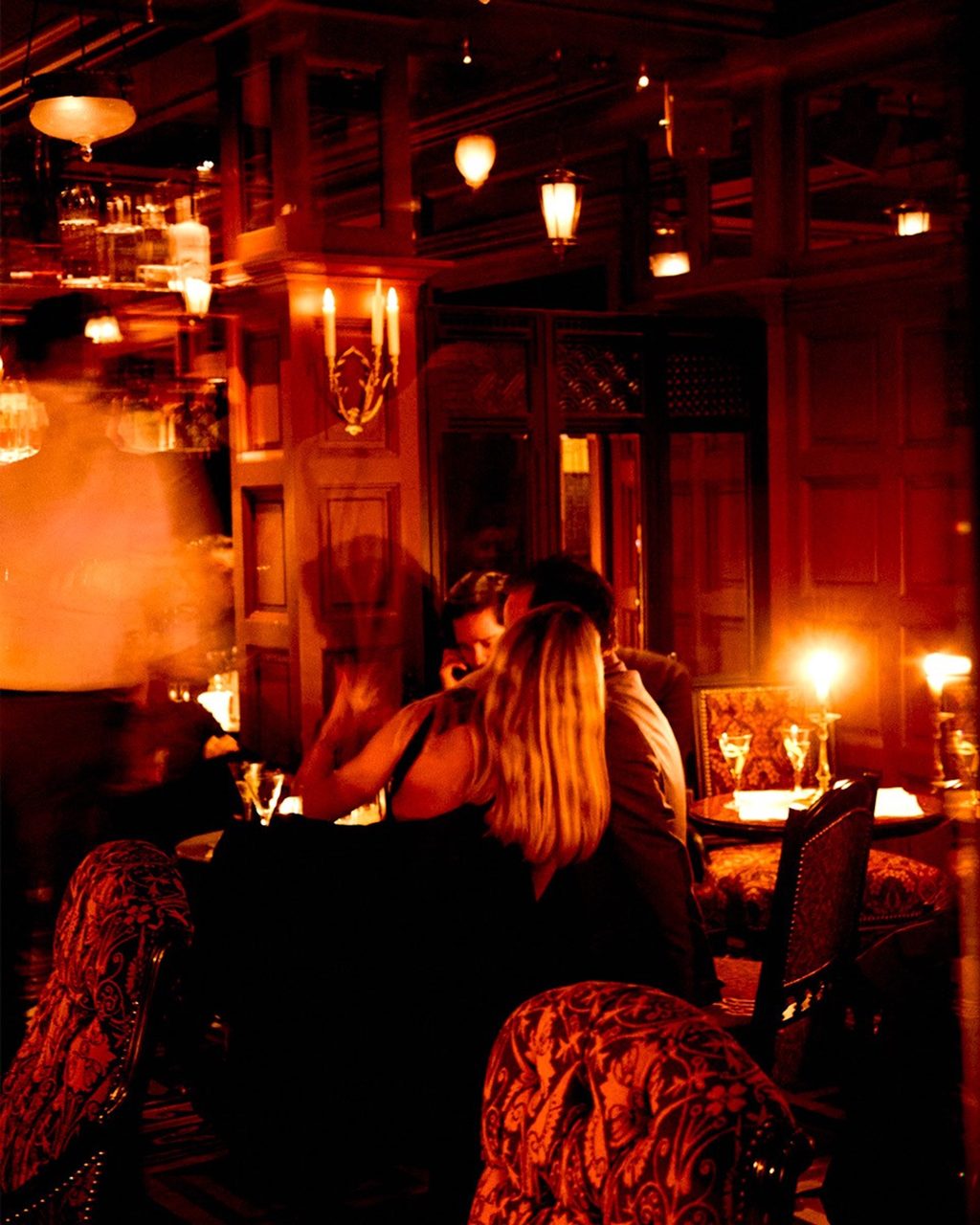
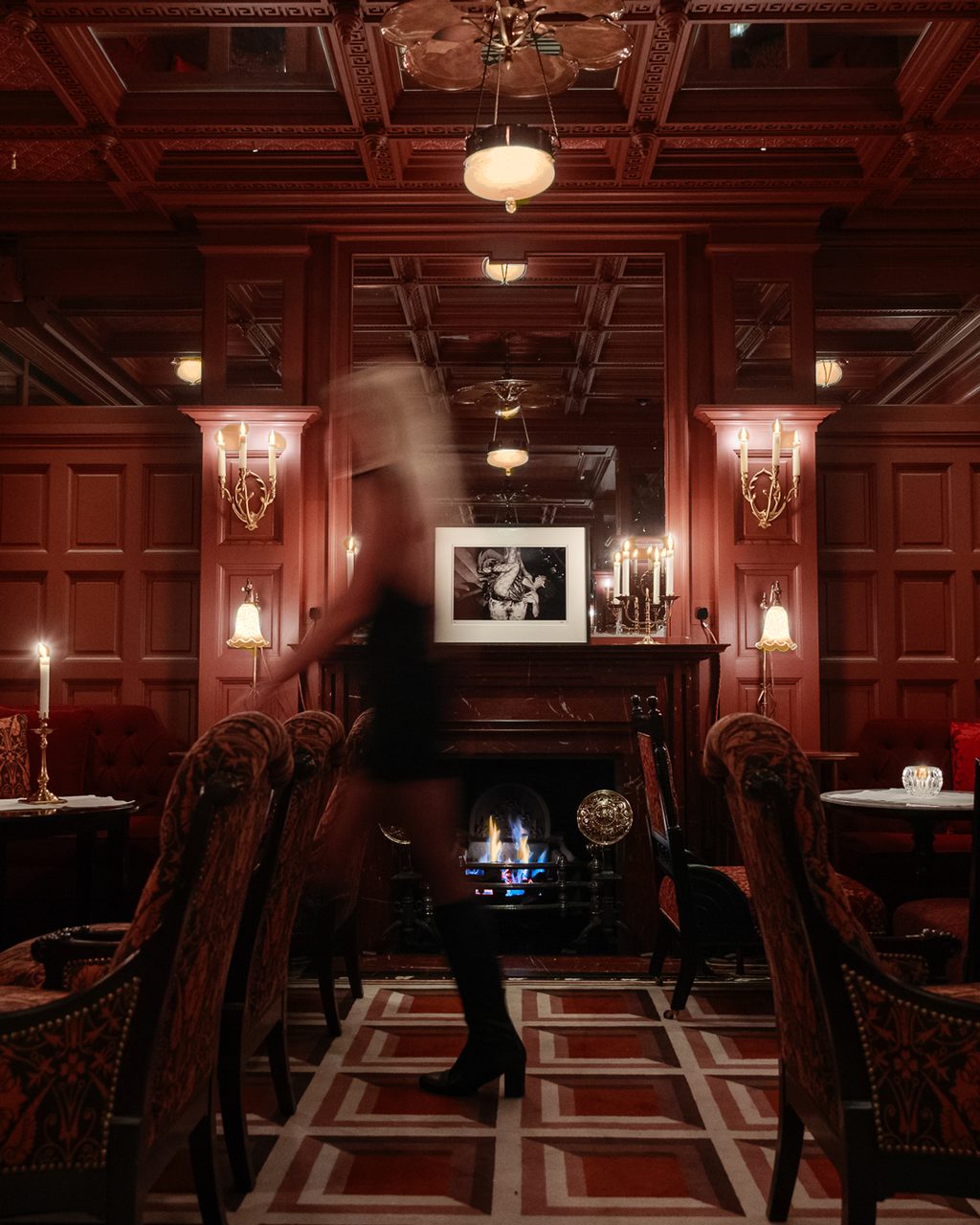
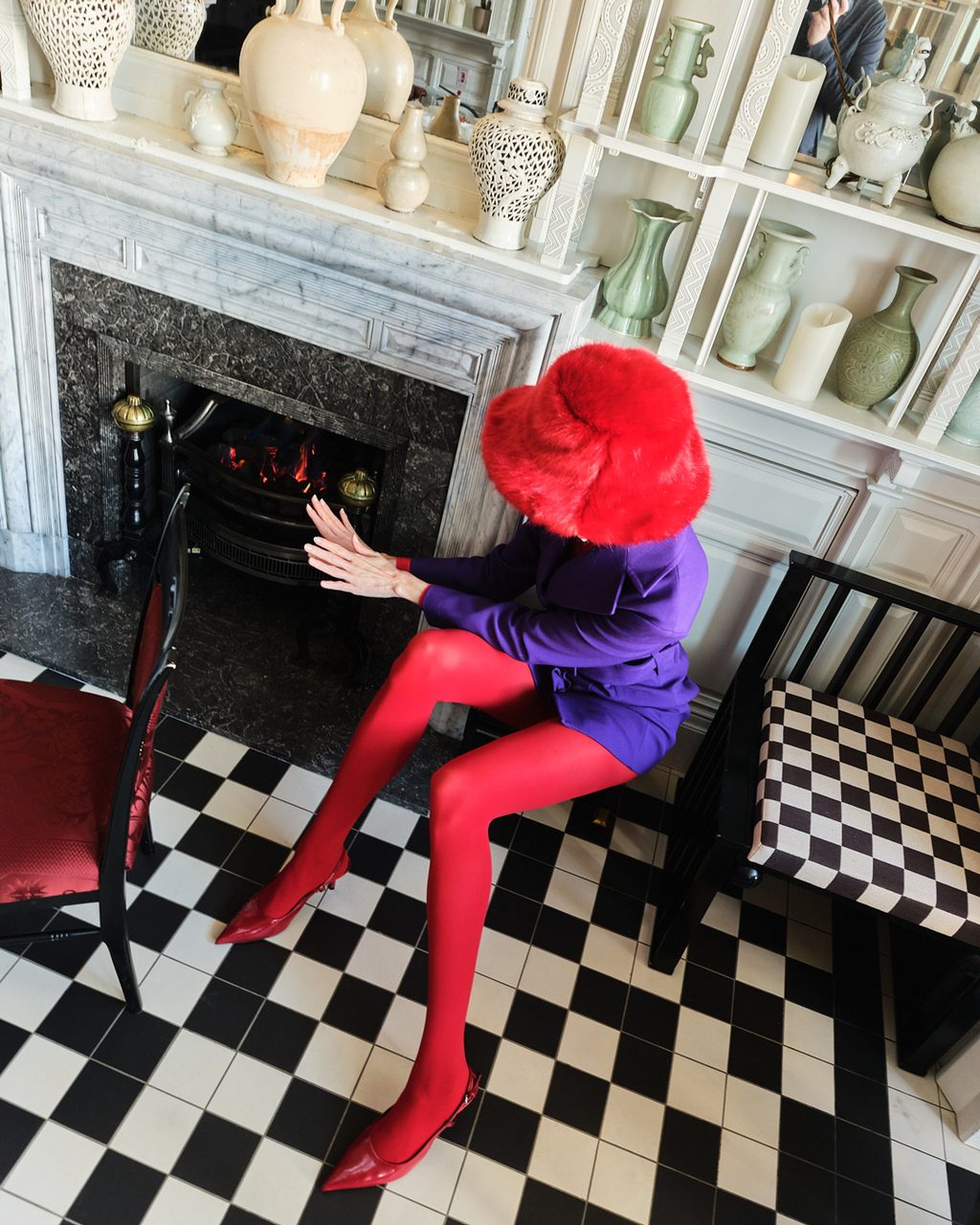
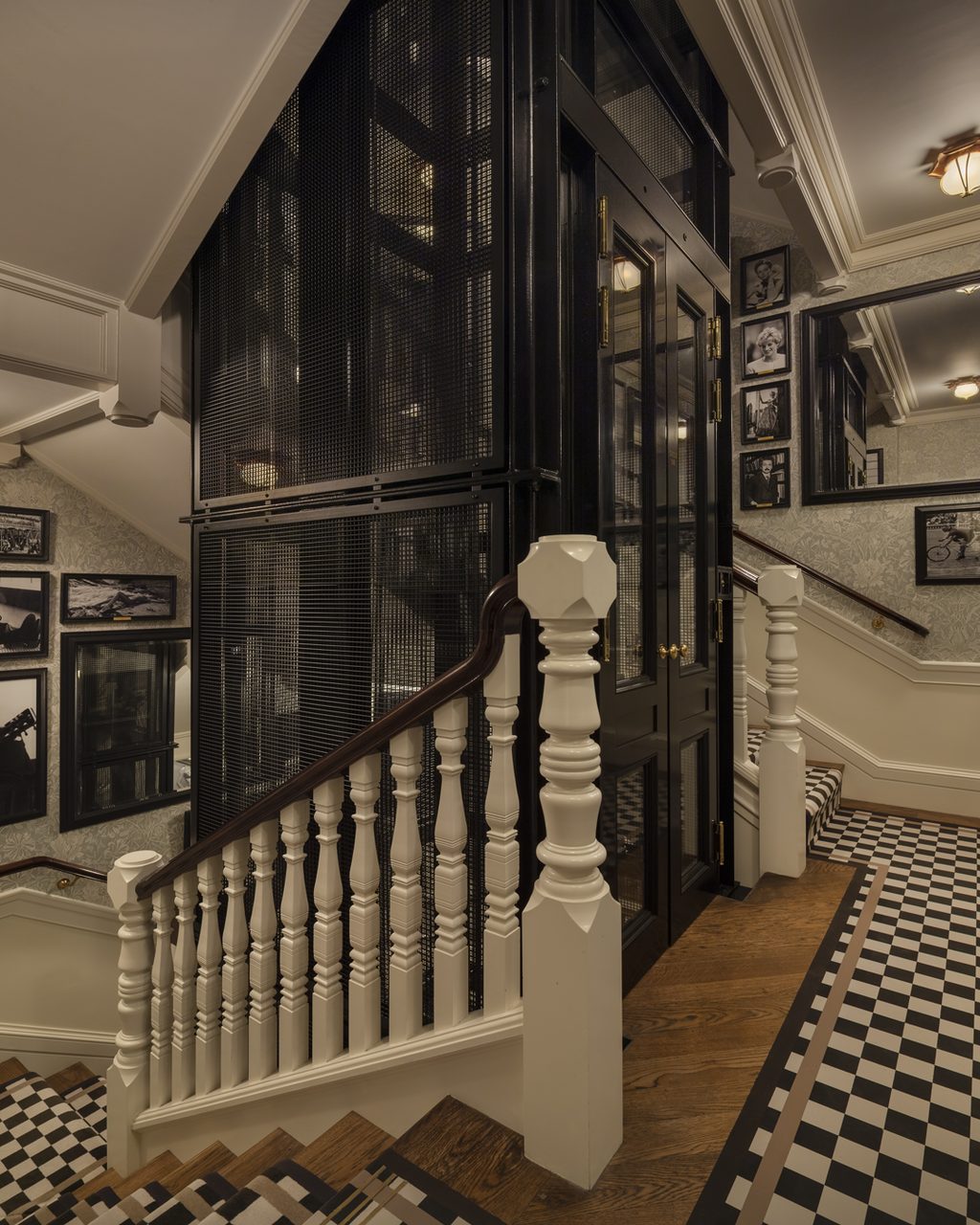
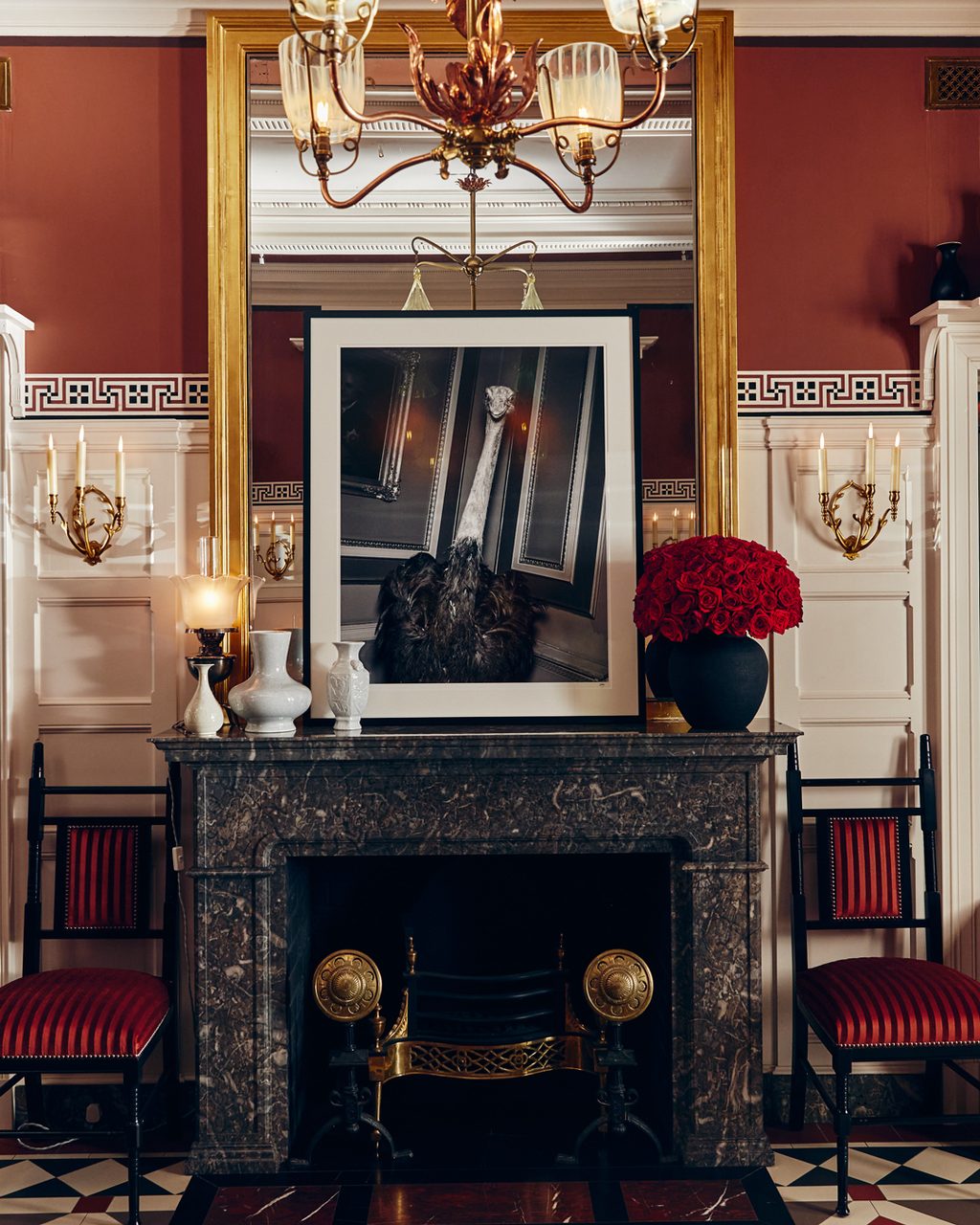
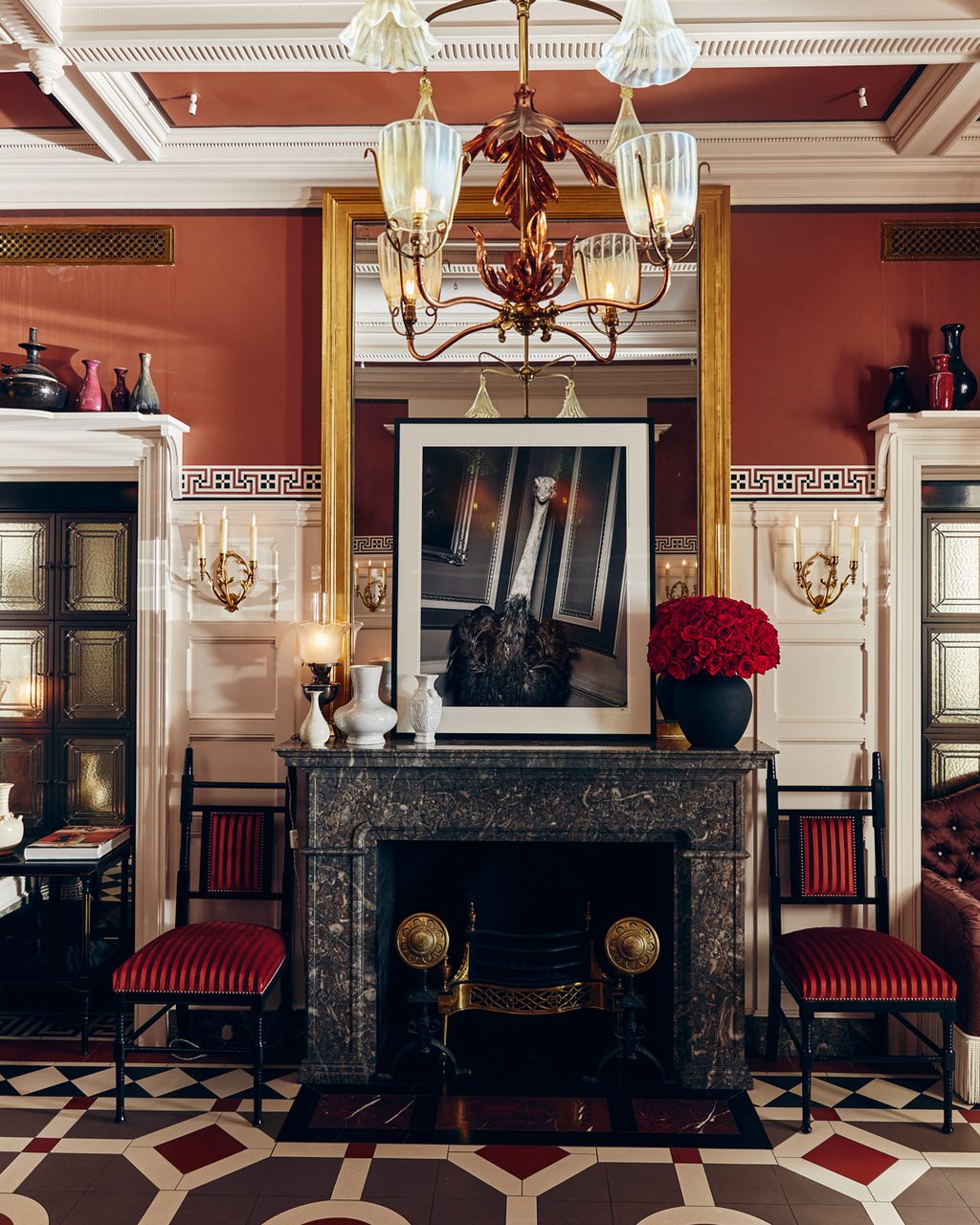
Warm lighting replaces the harsh spotlights common to contemporary hospitality spaces, while intricate floors, wood panelling, stained glass, period wallpaper and restored antiques create rooms that feel collected.
This same level of attention to detail stretches through the entire property. For example, original pieces by British designer E.W. Godwin were sourced alongside Smith Benson lighting, while Graf designed tables, desks, chairs and beds as a tribute to Charles Rennie Mackintosh. British specialists including London Mosaics, Mega Marble, Jeremy Quantrill and Collier Webb worked alongside French artisans responsible for furniture, fabrics, curtains, rugs, upholstery, wallpaper and decorative painting.
But for all of that craftsmanship, however, ...At Sloane isn't interested in shouting about its luxury. Graf actively rejected many of the obvious signals associated with expensive hotels, instead placing the emphasis on quality, atmosphere and the details guests might not immediately notice. His intention was to recreate the experience of entering a Victorian British home rather than another globally recognisable luxury property.
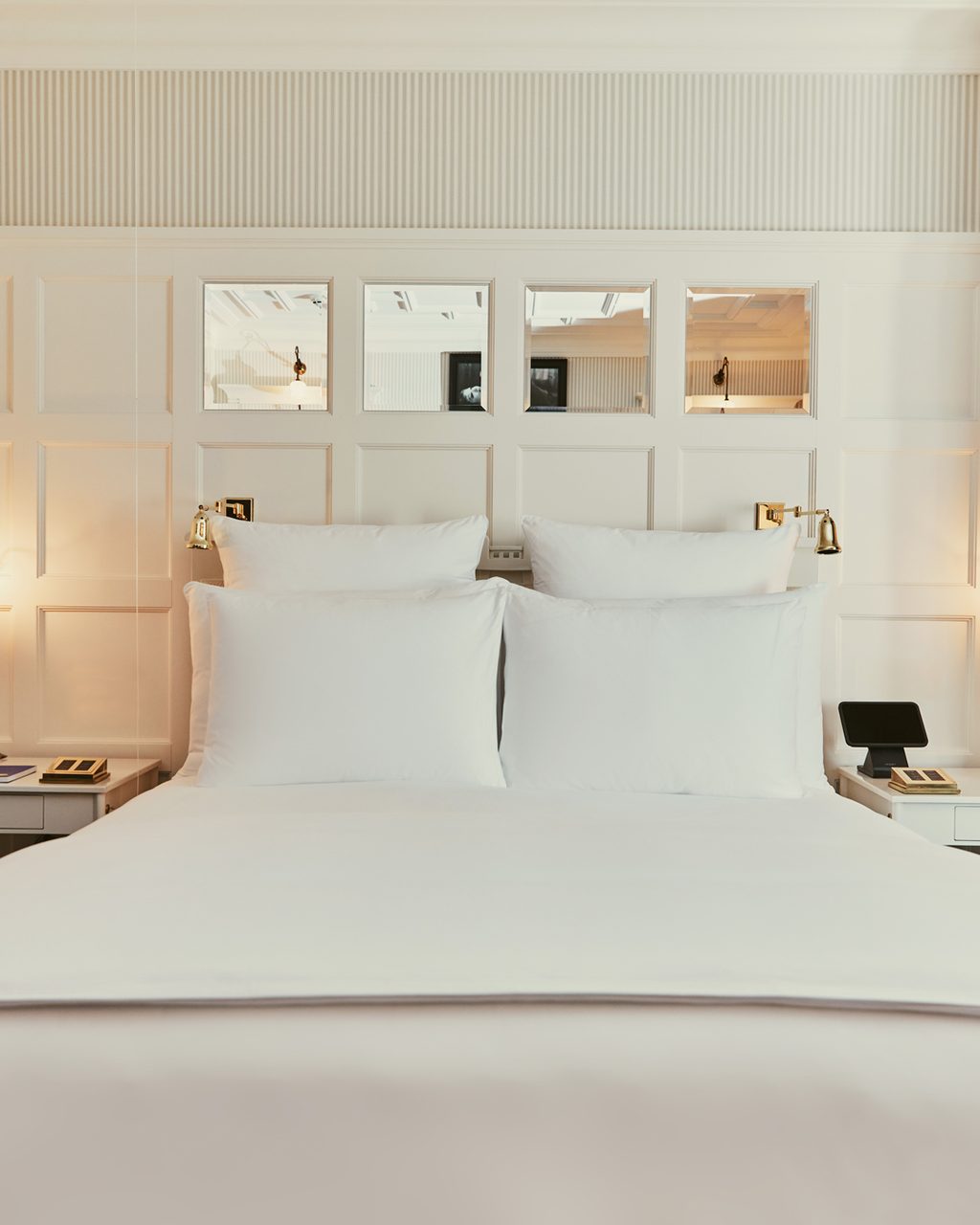
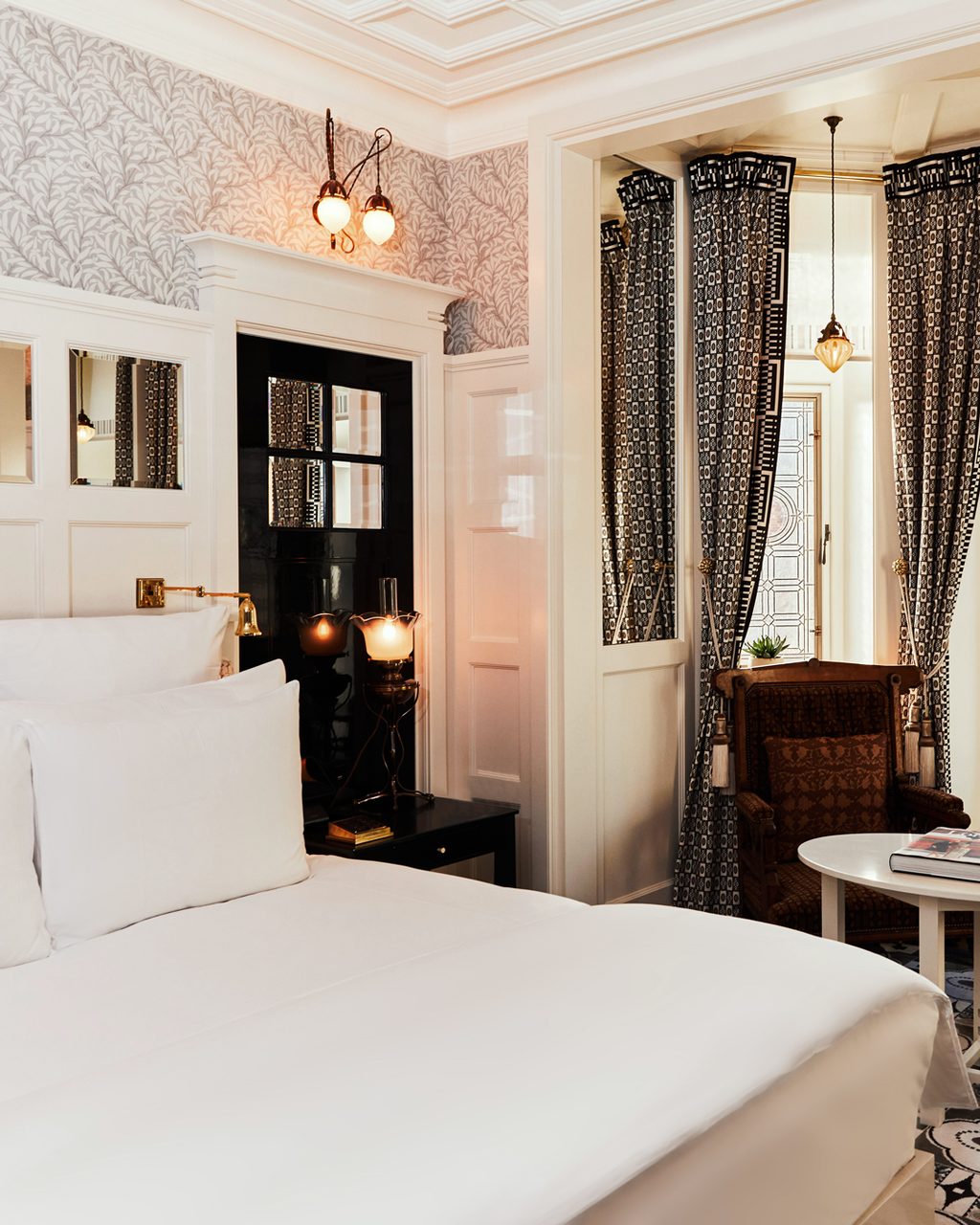
Look further into the hotel, and you see that the bedrooms continue this same philosophy. Each room has its own identity, combining restored antique furniture with period wallpaper, bespoke rugs and curtains and playful trompe-l'œil details. Contemporary technology is largely hidden beneath the historic surface, with home automation and underfloor bathroom heating providing modern comfort without disturbing the illusion of staying inside a private Chelsea residence.
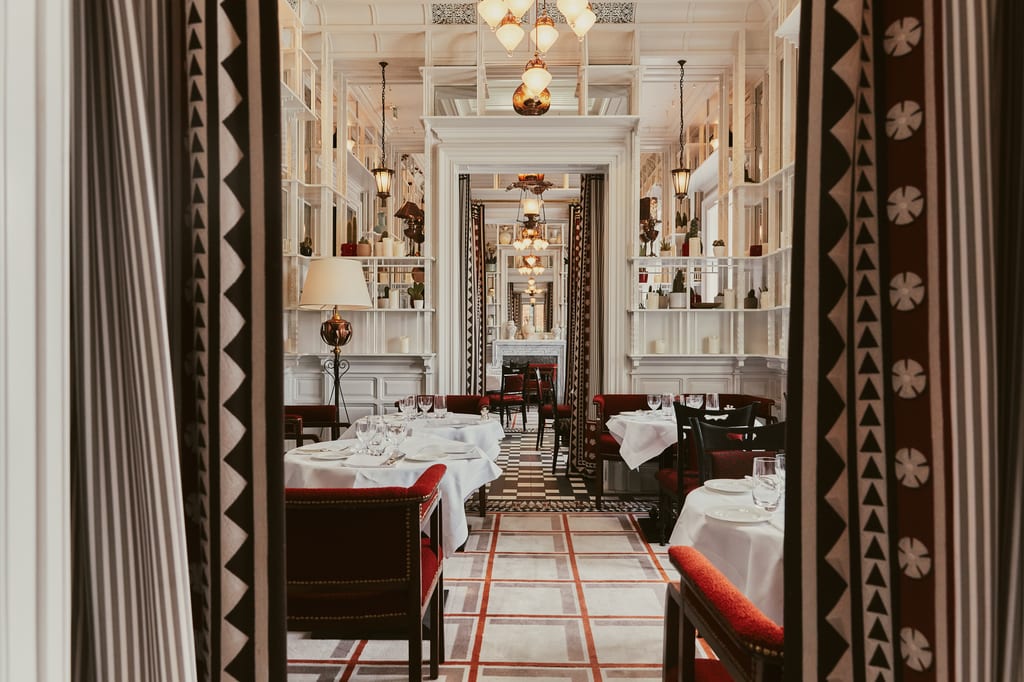
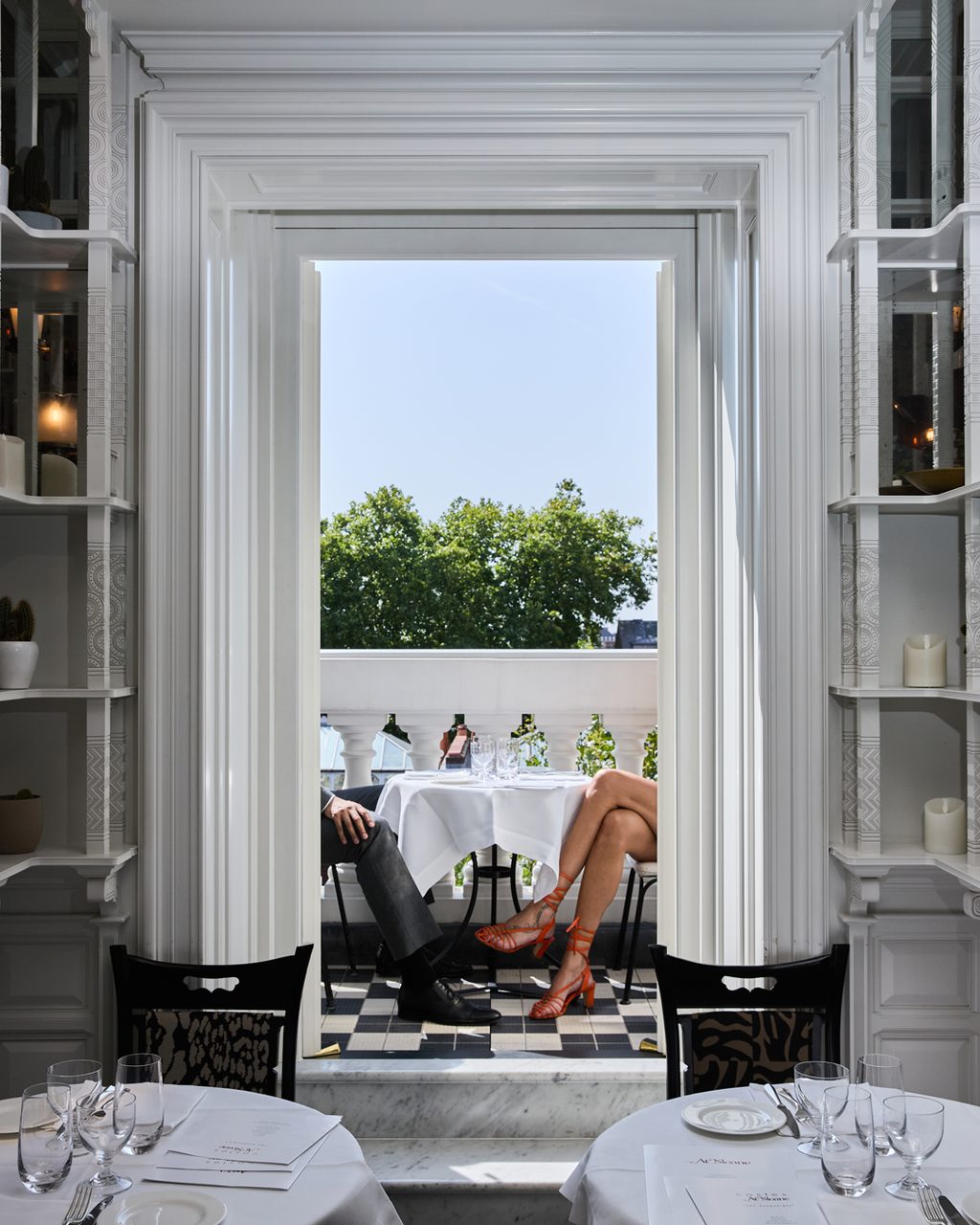
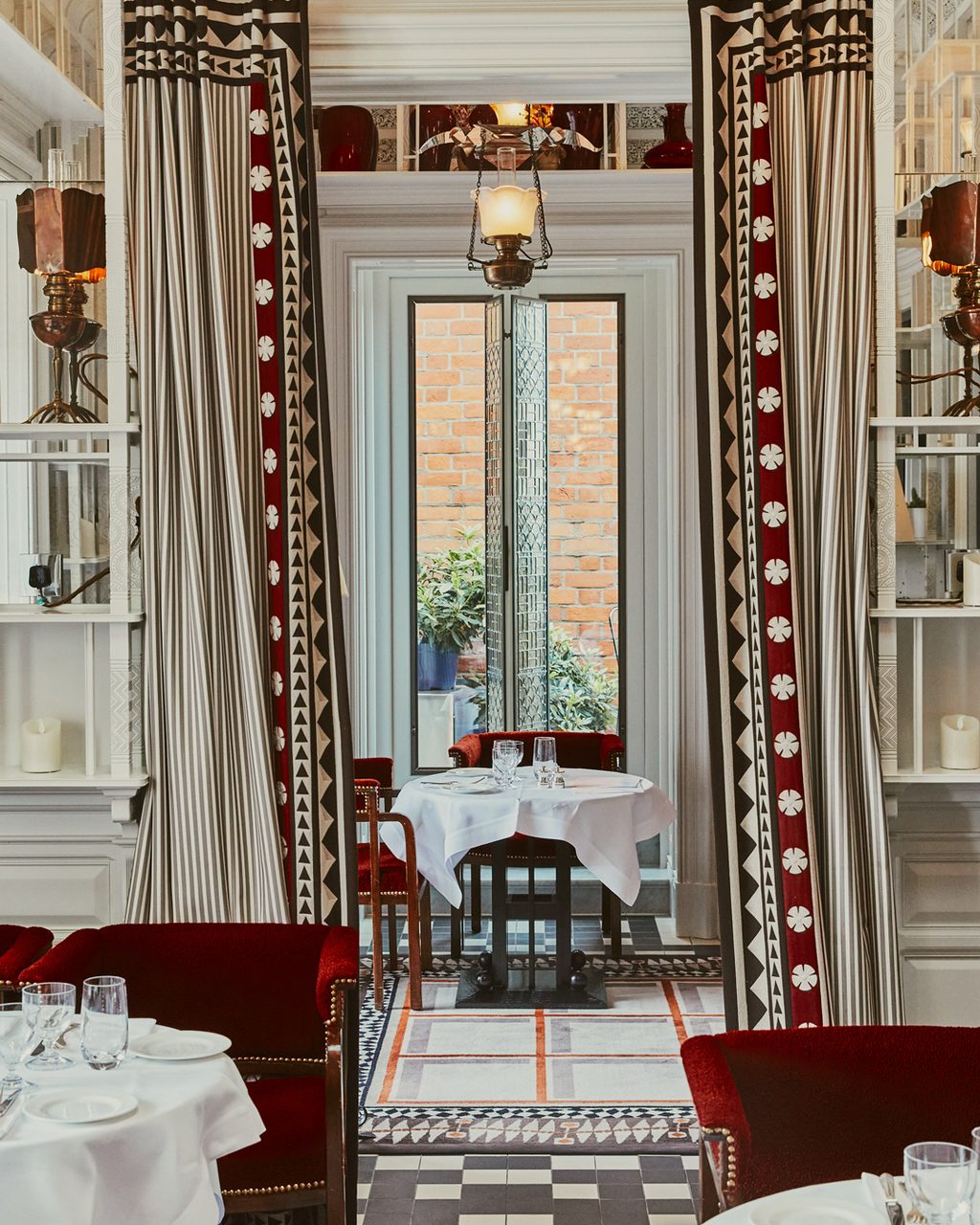
Sitting on the top floor, the skylit restaurant brings a more extravagant side of the hotel into view. Inspired by the famed Peacock Room created by James McNeill Whistler and Thomas Jeckyll, the space is filled with Chinese porcelain, stained glass and rich decorative details, while balcony seating looks out across the rooftops of Chelsea.
According to Graf, it's also one of his favourite spaces in the building. While much of the hotel deliberately avoids obvious grandeur, the dining room allows things to become a little more theatrical, using its collection of porcelain and historic references to create a space that feels transportive without losing the intimacy found elsewhere.
Head downstairs, however, and the atmosphere completely changes. Hidden on the lower ground floor is a late-night bar where dark wood, candlelight and a fireplace replace the brightness of the restaurant above. Champagne and classic cocktails are served as DJs take over later in the evening, with secluded snugs creating somewhere guests can disappear into as the night progresses.
Stay here for the weekend, and you see that it's the movement between different moods that makes ...At Sloane so interesting. Upstairs feels like an elegant private home, while the restaurant offers something more decorative and theatrical. Move to the basement, and you're immersed in a darker, more mischievous energy. However, amongst all the change, everything remains connected by the same obsessive attention to atmosphere.
It's also important to remember that, yes, ...At Slone sits in the heart of Chelsea, but the Parisian influences allow the residence to feel like a home away from home. Why? French craftsmanship and a certain Parisian sensuality run throughout, but London remains firmly at the centre. Graf has described his approach as giving precedence to English culture while bringing a French sensibility to symmetry, proportion and the organisation of the rooms.
Luxury here isn't necessarily about showing guests how expensive everything is. Within ...At Sloane, its luxuries are found in the lighting, craftsmanship, privacy, soundproofing and tiny details. It doesn't feel like a hotel. In fact, it feels like the kind of place you've been invited to stay.