
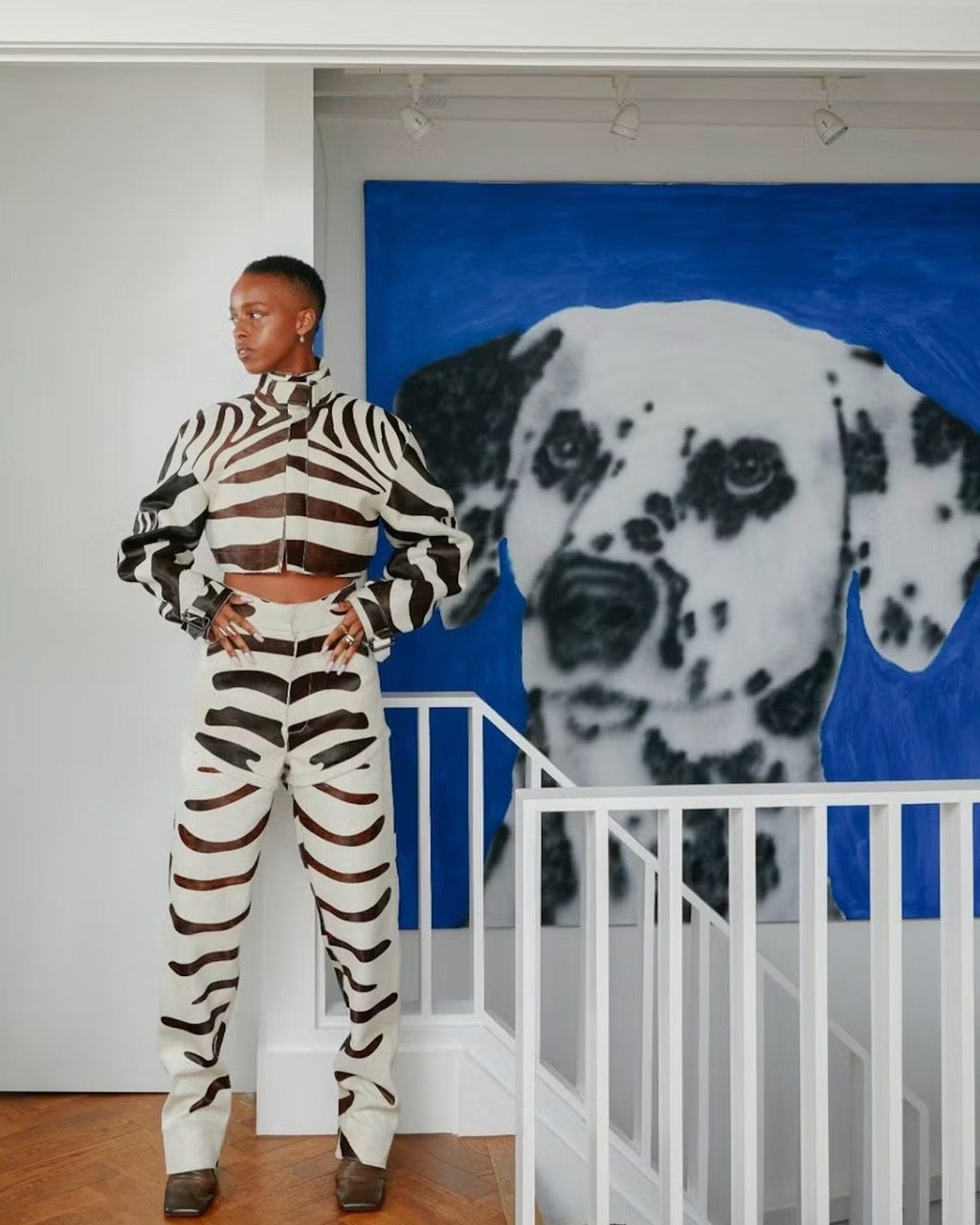
Working as a creative in 2024 is no easy task, but it’s one that multidisciplinary artist Ronan McKenzie seems to have nailed.
Traversing the worlds of photography, art, and design, McKenzie worked on high-profile projects with the likes of Acne Studios and Mulberry, has hosted numerous, thought-provoking exhibitions of her own work, and most recently linked up with Bernie Grant Arts Centre to launch ‘What I Thought I Knew’; a two-part guest curatorship that explores the theme of identity. The second part of the exhibition, titled "What I Know is Possible," opens on the 20th September at BGAC. Hit this link to get your hands on free tickets.
We caught up with Ronan McKenzie to find out about her latest projects, and get some of her perspectives as a trailblazer in the creative world. From high education and under-funding to imposter syndrome and mental health, here’s what Ronan McKenzie had to say.
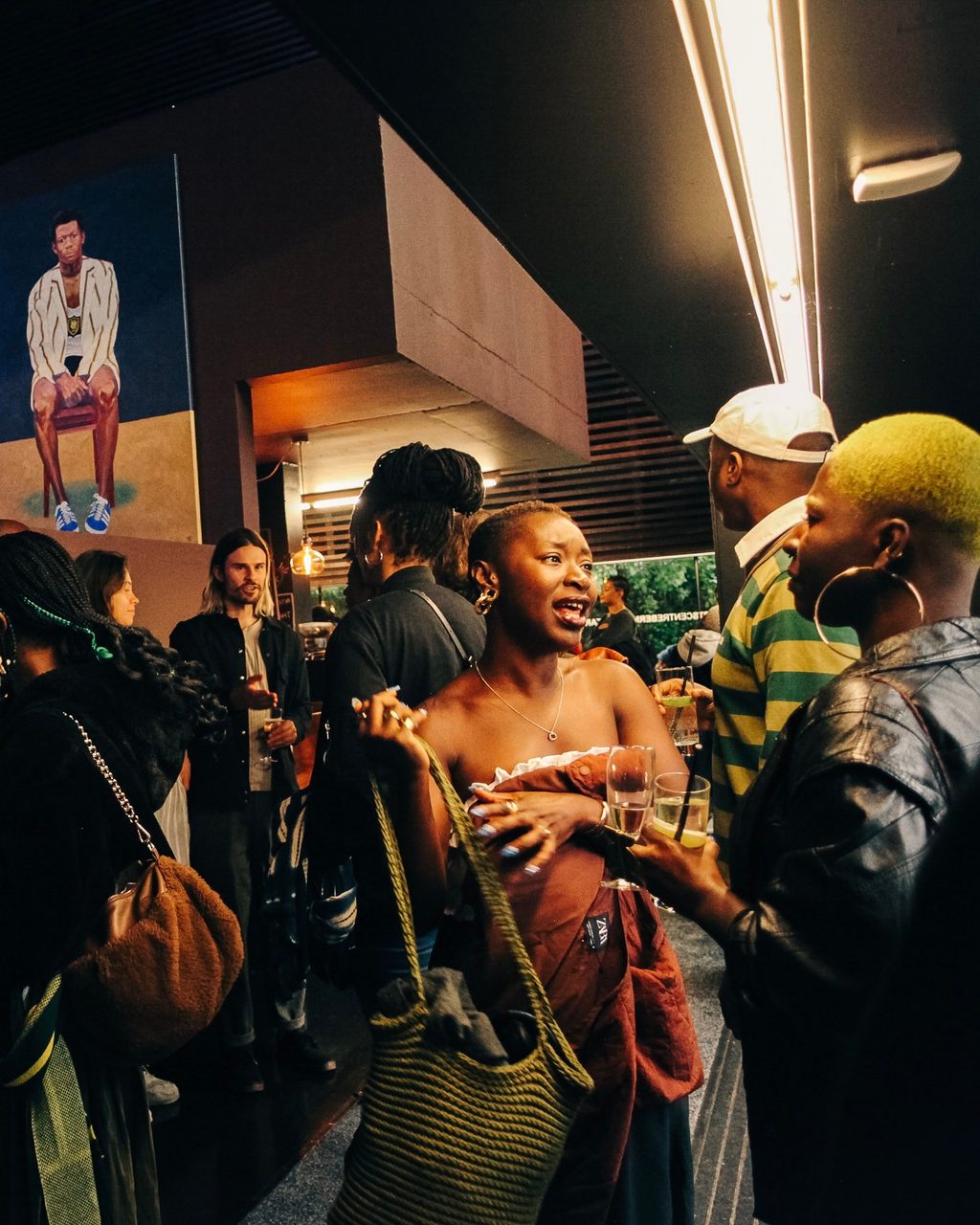
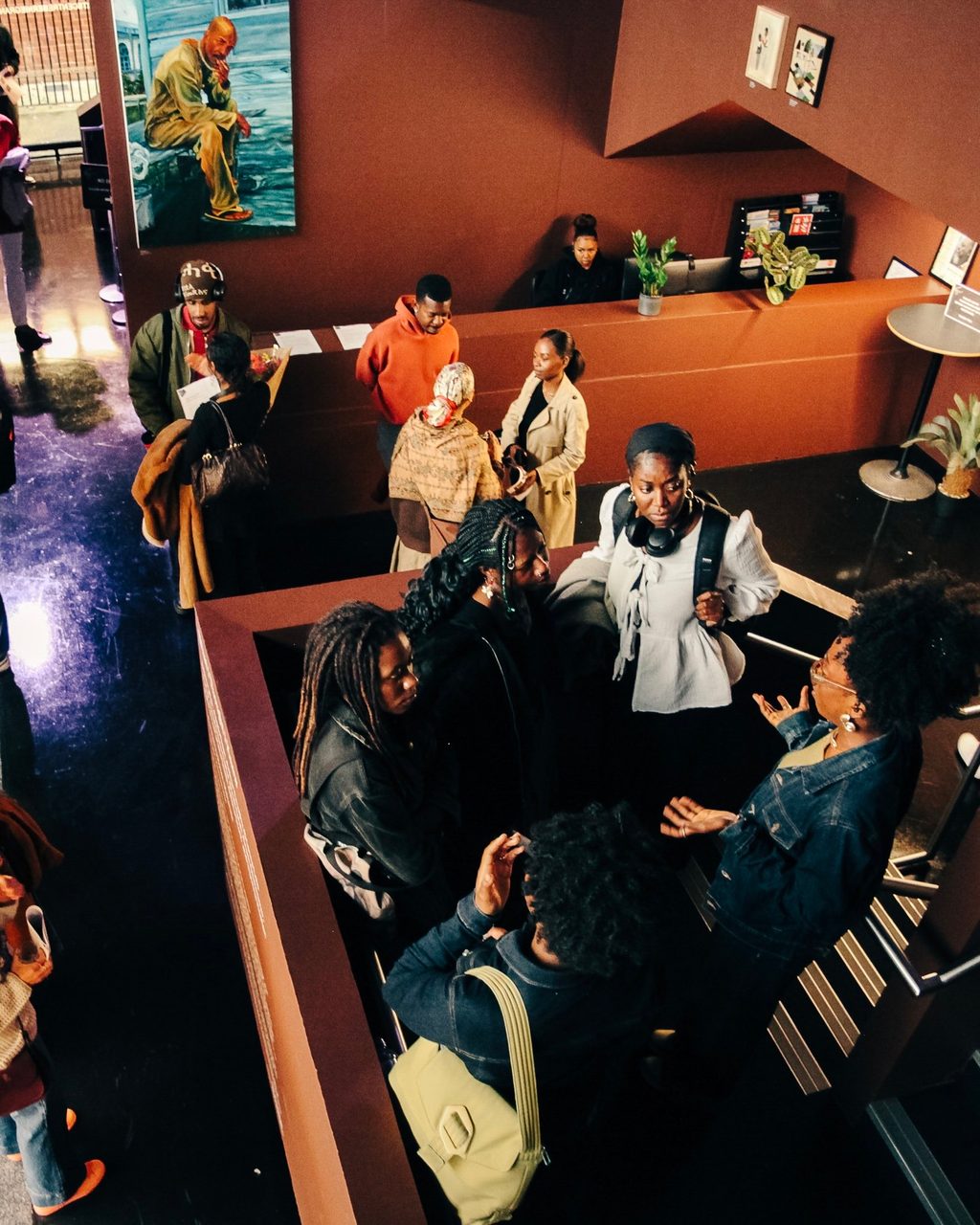
Your new exhibition, “What I Thought I Knew” brought together the works of 11 contemporary artists. What was it that drew you to these artists in particular?
The eleven artists from the first show were a mixture of artists that I've worked with before, and some that I’m just really inspired by. It was more about thinking of works that illustrated the concept, which is my idea of recent history [inspired by] stories I've heard from family growing up. It's an illustration of what I feel like came before the space that I arrived in, if that makes sense.
All of the artist's works illustrate part of that story. It's not super conclusive but they’re all artists whose work I really admire, and artworks in particular that I felt really spoke to that narrative. That's what drew me to them: how they touched me as a person and as a curator, and what they brought to the visual storytelling of this.
Before you became the artist you are today, you dropped out of Central Saint Martins. Knowing this, what attitude do you think young creatives should have towards higher education, particularly somewhere like Central Saint Martins?
I only went to Saint Martins for a couple of days, although I did a foundation course before that, so to be honest I think my response to it was quite intuitive. I just didn’t really feel like higher education at that point in my life was for me and I just wanted to get straight out into industry and assist or intern or find my own way.
But I think it's really dependent on one's personality and also one's opportunity. I'm already from London and I lived at home, so I didn't have to spend money on accommodation. There were some privileges or freedoms that allowed me to go with my gut, in that sense. I think the cost of Uni is obviously really inhibiting for many people, and the reason why I wouldn't say it's essential is because, for some creative courses, lots of things can't be taught. I would say it takes practice and developing one’s style over time.
I think my attitude to higher education studying is… that I don't really have one, only because I think it's so dependent on the person. Some people had an amazing time at CSM; some people had a horrible time. Some people really love their uni experience and get so much from it and some don't, so I think it's important that people just trust themselves and go with their gut. University will always be there so you don't have to go this second, but if you do feel that drive to go, then why not?
A lot of people’s attitudes, particularly in the arts, is that higher education is more about getting connections than actually getting an education. Would you agree with that?
I think [if you approach the creative industry] without higher education, it's important to be willing to work really hard because nobody's gonna give you anything. Although, you might go to one of the top arts universities and if you’re not in the right headspace or you don’t have the right people around you, you [still won’t be able to] even access those things. I think anyone who's in a creative industry, really needs to be willing to push and work hard.
Also try to remember that we’re all on our own paths. Like, something could happen for someone today, but it might only happen for me maybe in two years time. We’re constantly being shown how it looks to be doing amazing, so it's really easy to feel like things aren't happening for you.
What do you think is the biggest hurdle young creatives are facing in 2024?
I would say it's either a financial hurdle, because in the UK - I'm going to talk from a British perspective - it's so hard to just be able to live at the moment, and it's even harder to continually be making work. That's what I would say is probably one of the biggest challenges that young people face. And then second to that, I would say opportunities to show work, and to create work. For example, as a designer, to have a show is so expensive and there isn't enough opportunity for artists to even do it.
On the same level as that, [another hurdle] is just a sense of self-belief, I think that’s really stifling. I think people feeling like they're worthy or that their work is good enough is really, really stifling. I find when I talk to people - I'm almost 30 - people that are younger than me who are very much starting out in my practice struggle to feel like their work’s good enough. It seems to be a real struggle.
Talking about self-belief as a creative, have you ever suffered from imposter syndrome?
I don't think I've suffered from imposter syndrome because I've worked to get to the places that I've got into, and so I've always thought like I was deserving of being there. I've always worked so hard that even if I felt sometimes like “maybe this is a really big job” or “I'm a bit nervous,” I haven't felt like I didn't deserve to be there. I just hoped that I could rise to the occasion.
I've always just told myself that if I'm there, then I must be able to do it. And also, we all make mistakes. Mistakes are always going to happen regardless how successful one gets or how it looks on the outside, so imposter syndrome isn't something that I've allowed to sneak onto my radar.
What’s a piece of advice you’d give to your younger self?
One piece of advice I would give to my younger self is don't sacrifice everything. Don't sacrifice too much; don't over invest; don't spend too much money. Always have a little bit saved for me, for my peace of mind. I think it's important to retain a sort of baseline of, like, health and wellbeing, both physically, mentally, emotionally and financially.
I would [also] tell my younger self to have a hobby that's not work. I've only really gained hobbies in the past couple of years, and really consistent ones [I’ve only gained] maybe even this year.
“What I Thought I Knew” was part of Bernie Grant Art Centre's Black Art Matters series. Why do you think exhibitions spotlighting black artists are so important to the art world?
I think that it's really important that exhibitions spotlight a diverse range of people, that they represent everybody, and that everybody who exists in this world should be spotlighted. I think, unfortunately, in the UK we're still working through the fact that so many artists have been excluded [in the past], a majority working class. I’d also say women artists for a period of time were excluded. And then beyond that period, these artists were only included in tokenistic ways in the art world in the UK.
So I think, saying that, my ideal dream would be to get to a place where everybody has an opportunity to be seen, so we don't have to have specific exhibitions that spotlight certain groups of people. We're not there yet, but I think there will always be a need for people to tell their stories. At the moment, I still feel like we're in a period of kind of like undoing the wrongs of the arts and undoing the experiences of the past.
[That’s why] it's important that grassroots organisations, community organisations, arts institutions, etc. make an active effort to spotlight and highlight voices and artists who may be overlooked still by the medium or by the bigger institutions.
Featured image via Serena Brown©
More on Culted
See: New Balenciaga Music, courage with Coach, and more to look out for this week
See: What went down at our NYFW party with CNCPTS store and ellesse