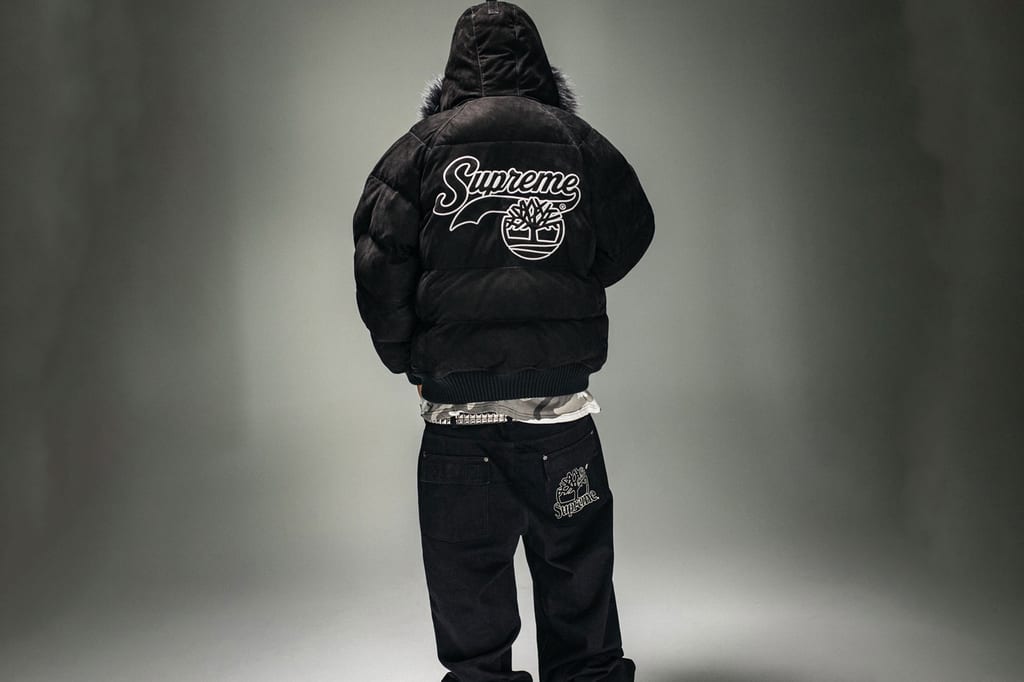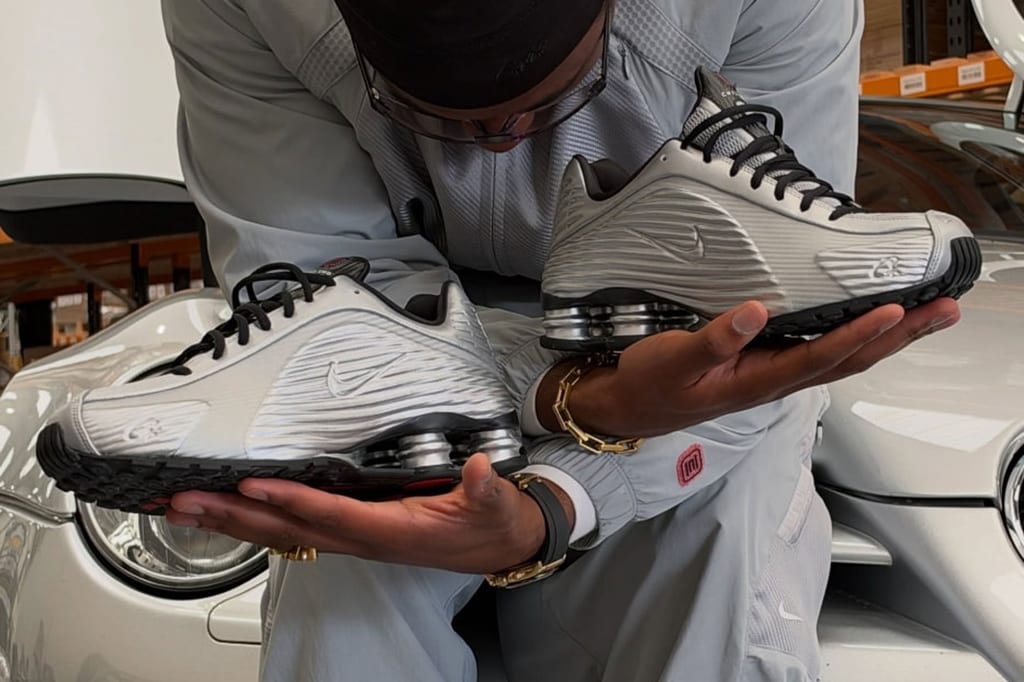


When it comes to high fashion, most of us come for the painstakingly-crafted, high-quality runway designs, and stay for them too. From the precision of Bottega Veneta’s intrecciato weaving to the drama of Comme des Garçons’ avant garde silhouettes, these are the pieces that keep brands exciting. But they’re not the pieces that keep brands alive.
The pieces that keep brands alive are those that sell en masse; they’re the CDG x Converse sneakers or the Balenciaga logo t-shirts that everyone and their nan seems to own. Whilst many brands tend to only drop the odd mass-marketable product, some Houses dedicate entire diffusion lines to creating “merch,” like McQueen’s McQ founded in 2005, aiming to provide a wider audience a more accessible price point.
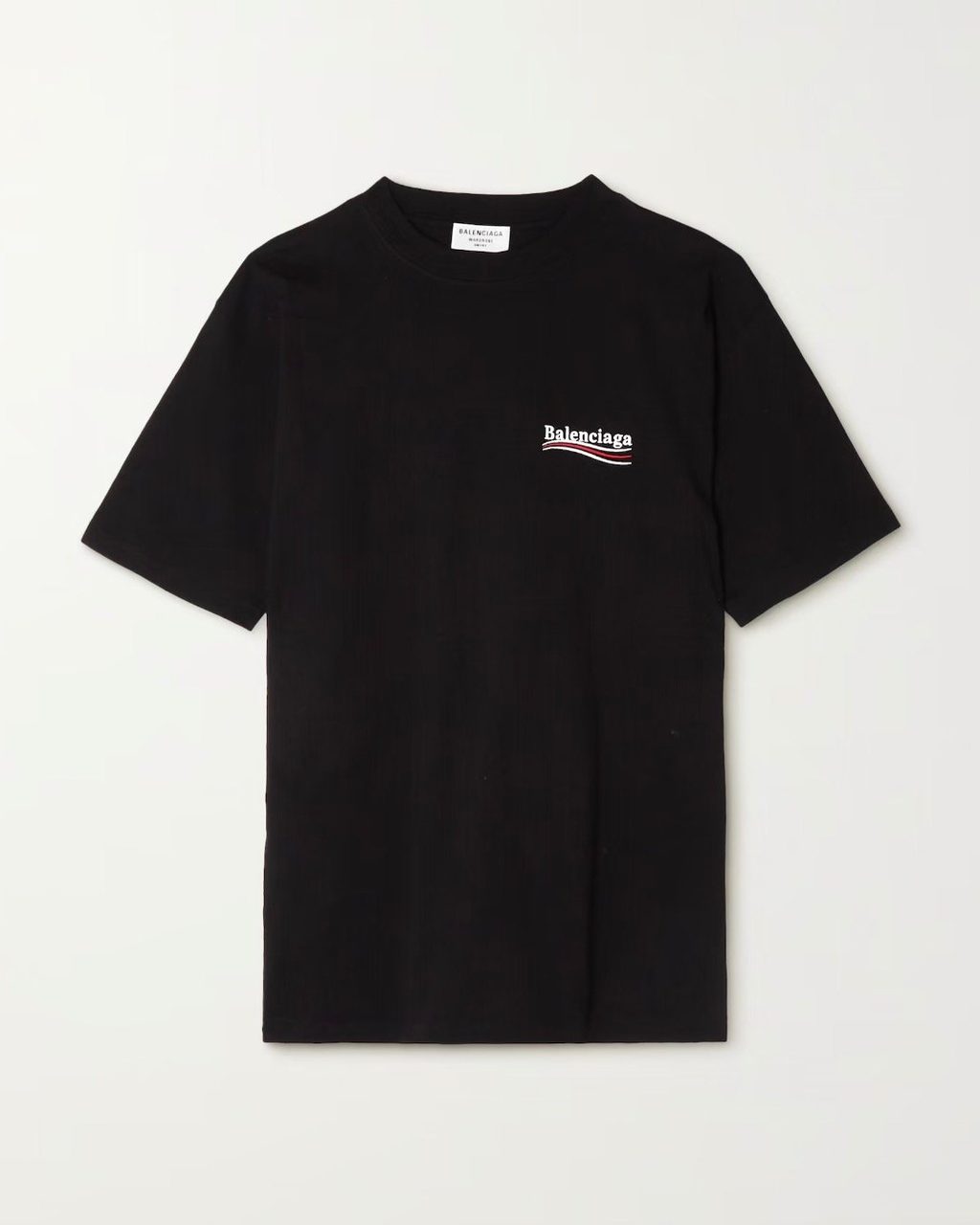
For many fashion brands, selling enough “merch” each season (“merch” being the more accessible, mass-produced items usually emblazoned with a logo or wordmark) is what funds its more elaborate collections, passion projects, and runway shows. So whilst hoodies and baseball caps might seem like the trademark of a sell-out, they’re actually the bread and butter of the fashion world.
Plenty of people have an aversion to designers releasing the kinds of pieces that can be categorised as “merch,” because it's seen as “selling out.” But the issue is that, when a runway show on average can cost upwards of $10,000, designers need to find a way to pay for that. There are ways of dropping “merch” without looking like a sell out, though.
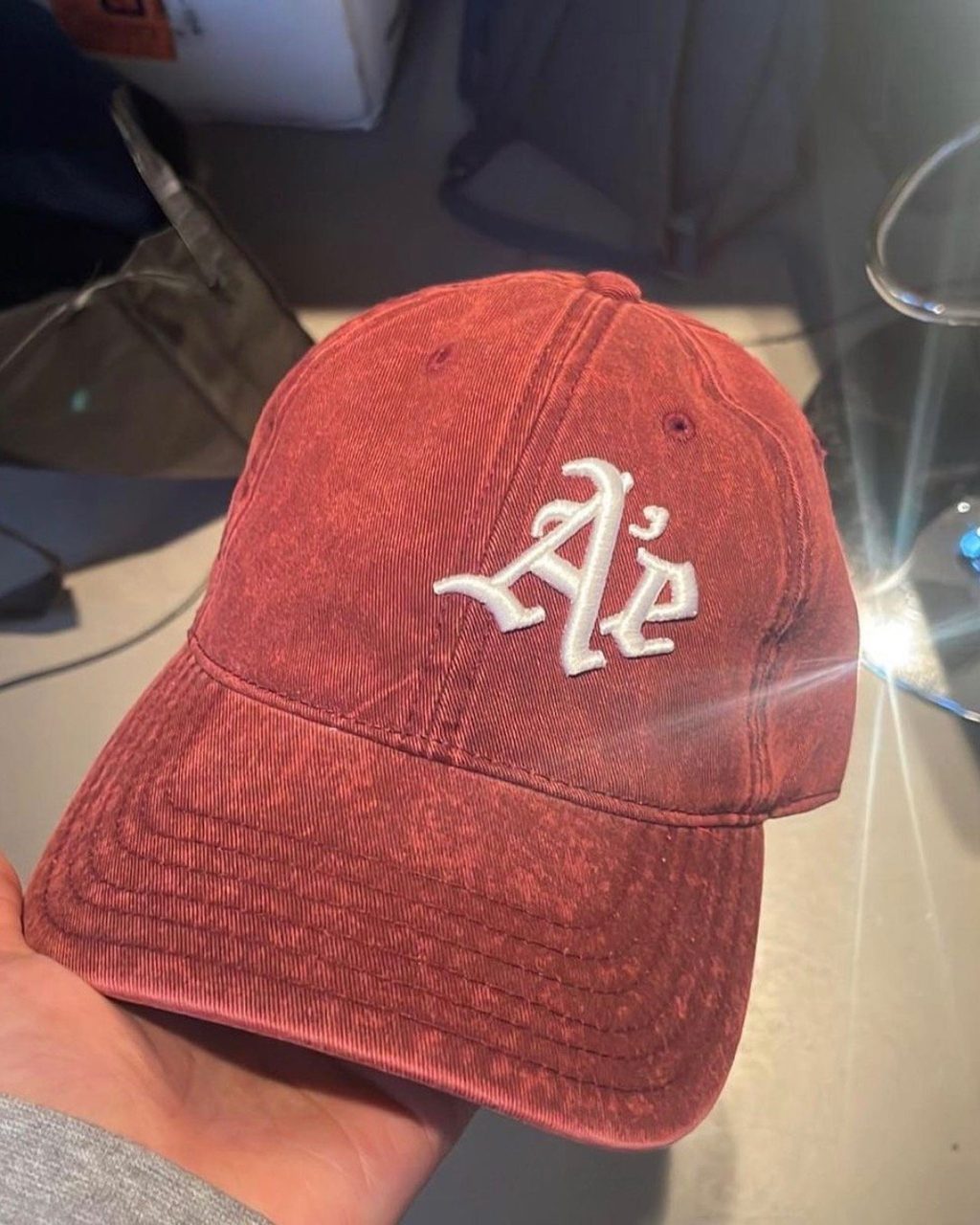
Small designers seem to have it down. From Mowalola’s “WET” tees to Aaron Esh’s baseball caps, more emerging designers are dipping their toes into merch-style clothing emblazoned with recognisable logos and brand names. The difference between Aaron Esh’s caps and McQueen’s chunky-sole sneakers that makes the former more digestible is that Esh’s caps actually match the vibe of his runway collections.
Basically, the way to sell “merch” as a fashion brand without it feeling like selling-out is by ensuring that its aesthetic aligns with the high fashion that the brand also produces. For example, under Galliano, whose style is bright, bold, and kitsch, Dior’s “J’adore Dior” slogan tee was accepted by the public. Whereas, for Maria Grazia Chiuri, whose style is more classic, understated, and refined, her slogan tees for Dior felt out of place and ultimately didn’t land.
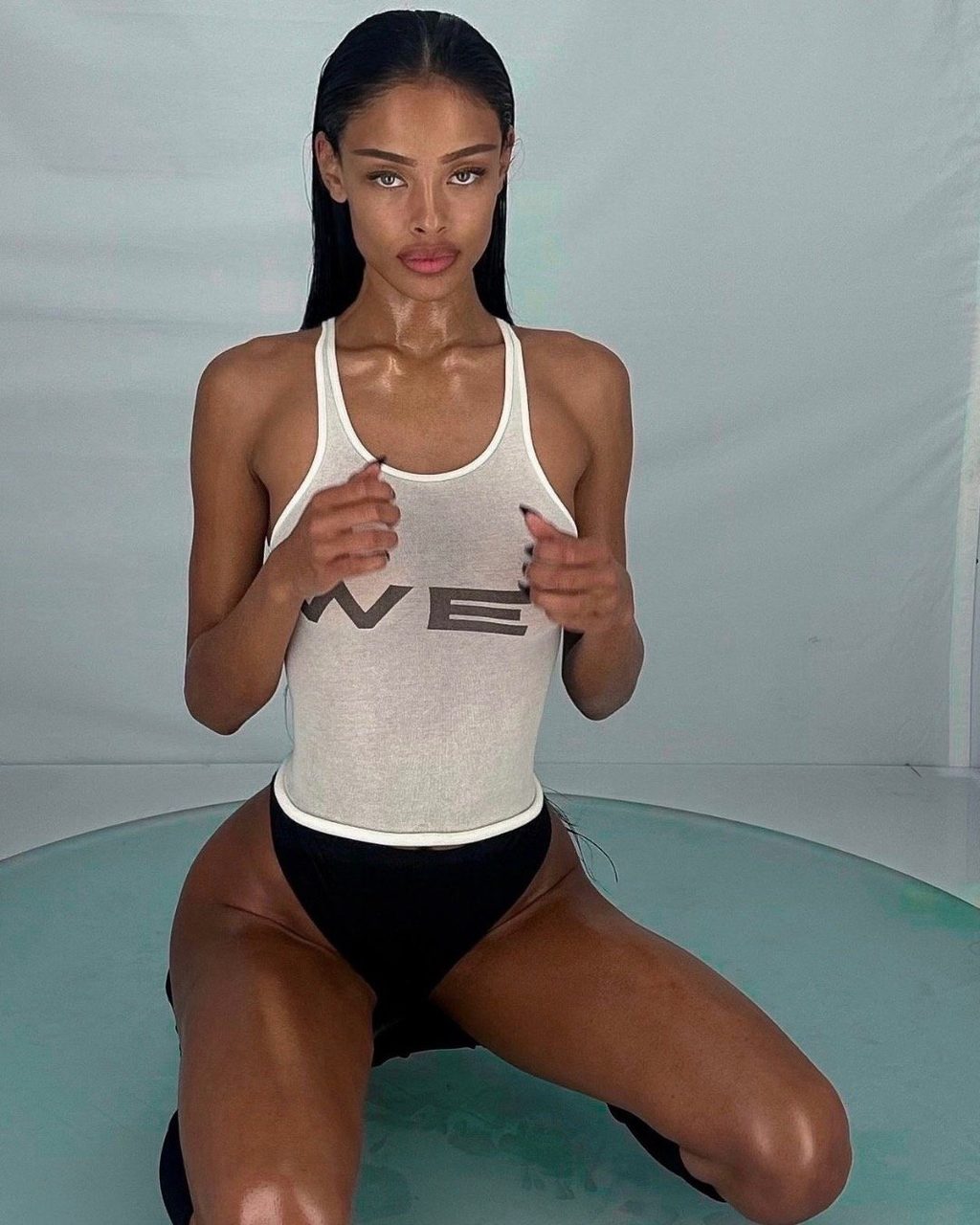
Selling “merch” might feel like cheapening the brand name, but it's actually what keeps many brands themselves alive. Whilst it might be something that the likes of Bottega Veneta or Maison Margiela arguably don’t do (unless you consider the Tabi to be merch), many other respectable high fashion brands do drop merch and diffusion lines. We really need to shake the stigma that dropping slogan tees or caps is “selling out,” because without them, who knows what some of our favourite brands might look like?
Featured image via @mowalola ©
More on Culted
See: Marc Jacobs is bringing Big Apple glamour to Selfridges