
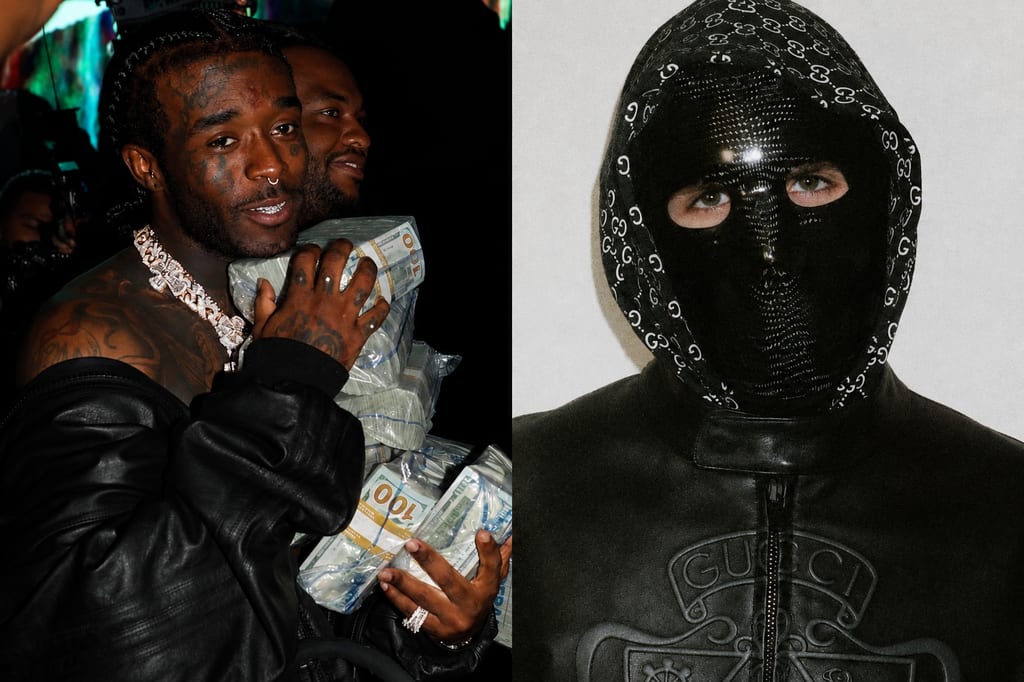
The UK versus US debate has existed in sports, fashion and film for decades. But rap music has always felt completely in favour of the United States, until now.
For the best part of two decades, the conversation between US and UK underground rap has barely existed. America has always dictated where underground rap goes next, creating movements that quickly evolve into mainstream culture. From Chicago drill and Atlanta trap to the rage explosion fronted by Playboi Carti and the melodic experimentation of Lil Uzi Vert, America has consistently produced the artists everyone else studies. The UK has often found itself watching from afar, adapting trends once they've already crossed the Atlantic.
But, let's keep it real… Something has shifted over the last 18 months. Britain's underground is building its own ecosystem, producing artists with distinctive identities, loyal communities and an increasingly global audience. SoundCloud recently revealed that streams of UK underground rap rose by almost 300% throughout 2025, making it the platform's fastest-growing rap movement in both Britain and the US.
At Culted, we’re aware of the friendly competition that has been gradually building between UK and US underground rap. So to avoid office debates, we put it to you, the community, to give us the answers. We recently took to Instagram to post a series of head-to-head polls, and the results were incredibly close.
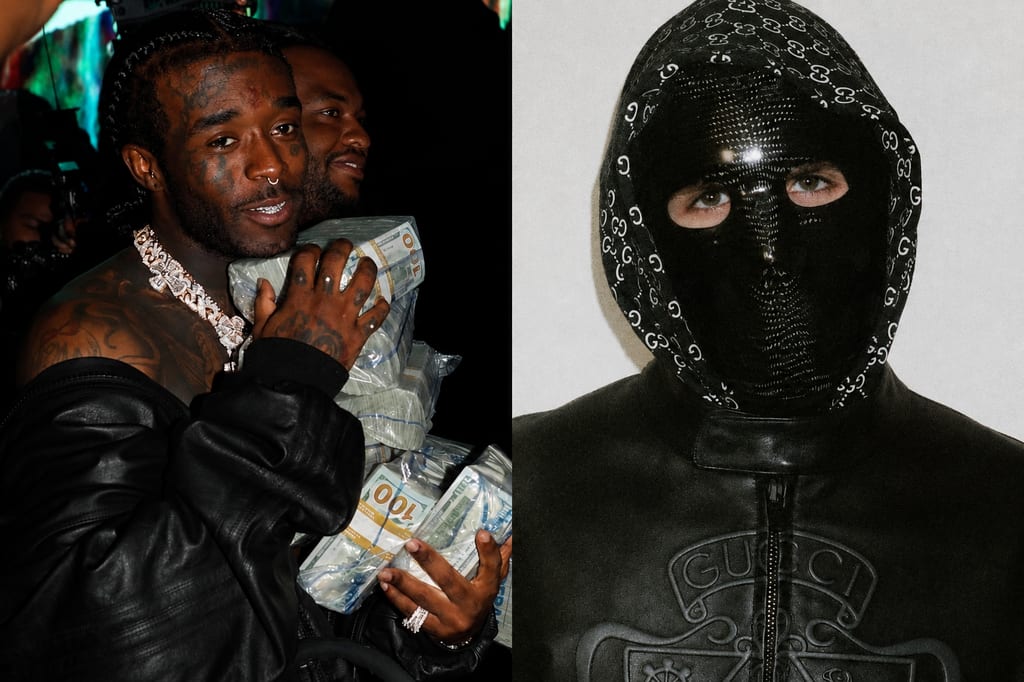
We put Liverpool's EsDeeKid head-to-head with Lil Uzi Vert. Uzi edged the vote with 54%, while EsDeeKid claimed a respectable 46%, showing that one of Britain’s fastest rising artists can already compete with one of the defining names of modern rap. The second poll painted a slightly different picture, though. YT was comfortably beaten by Destroy Lonely, who secured 71% of the vote.
I guess the picture is pretty clear: the UK has everyone’s attention, but when listeners are forced to choose, America still has the edge. But why? It is pretty obvious that the US has struggled to get behind UK rap, with only a few artists really leaving a mark across the pond. The likes of Central Cee, Skepta, Dave and Little Simz have done well, but considering how many British artists have tried, many have seemingly failed.
But with this new generation of British underground music starting to make waves, the American audience is gradually beginning to take UK rap music more seriously than ever. And one of the artists leading this charge? fakemink.
The London rapper has quietly become the face of Britain's internet rap movement without ever sounding like he's trying to imitate anyone else. His music pulls from cloud rap, jerk and hyperpop, but it's grounded in British slang, references and attitude. He's equally comfortable making music for SoundCloud obsessives as he is appearing in fashion campaigns, and that's perhaps why his rise has resonated so strongly. Drake, Frank Ocean and Timothée Chalamet have all reportedly become fans, while much of his streaming audience now comes from the United States itself. That's a milestone few British underground rappers have previously managed to achieve.
EsDeeKid represents another side of the movement entirely. The mask, the anonymity and the internet mythology surrounding him initially drew curiosity, but songs like “4 Raws” have proven there's genuine substance behind the intrigue. His rise demonstrates how quickly the internet can transform a regional artist into an international talking point.
The wider supporting cast is equally compelling. Jim Legxacy continues to blur the boundaries between rap, indie songwriting and alternative music, creating records that refuse to sit inside one genre. Fimiguerrero has developed one of the most unpredictable catalogues in Britain, while Lancey Foux remains one of the country's most influential figures despite existing somewhere between underground hero and mainstream star. Artists including YT, Rico Ace, Feng, Ledbyher and Sinn6r continue expanding what UK underground rap can sound like, each contributing to a scene that feels increasingly connected.
Across the Atlantic, though, the benchmark remains incredibly high. America still produces the artists that dominate internet culture before they approach the mainstream. Destroy Lonely continues to refine Opium's dark, fashion-heavy aesthetic while maintaining one of rap's most dedicated fanbases. Lil Uzi Vert remains one of the most influential artists of the past decade, with countless younger rappers borrowing from the melodic, experimental blueprint.
Meanwhile, artists like Nettspend, OsamaSon, xaviersobased, Che, Lazer Dim 700 and BabyChiefDoit represent the next evolution of internet rap, building cult audiences almost entirely online before major labels have time to react.
I think the biggest difference between the two scenes isn't creativity, but its scale. American underground artists often become global cultural figures almost overnight. The machine surrounding them moves incredibly quickly, allowing underground acts to become worldwide names in a matter of months.
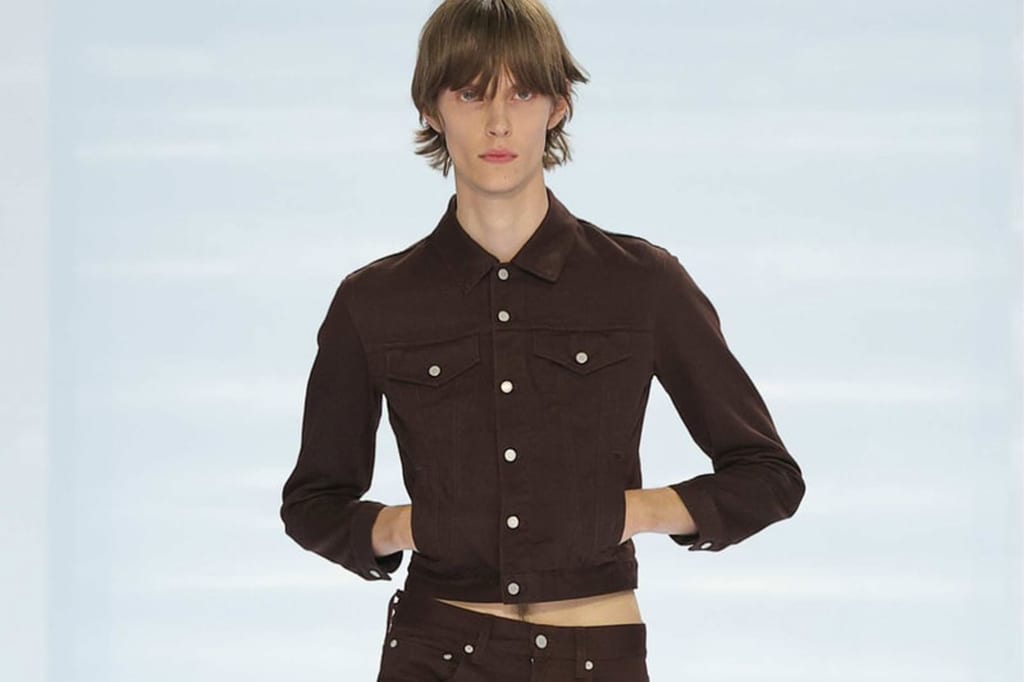
However, fashion has also become one of the most fascinating intersections between both scenes. Five years ago, luxury brands overwhelmingly looked towards American rappers when searching for the next face of youth culture. Today, British artists are occupying many of those same spaces. The gap has narrowed considerably, not because the US has declined, but because the UK has elevated itself.
I guess this is what makes the debate so intriguing. Both scenes have developed their own visual language, sonic identity and cultural ecosystem. Britain has finally reached the point where its artists are influencing listeners outside of its own borders, something that once felt almost impossible within internet rap.
The UK's underground may be producing its strongest generation yet, but America's remains the benchmark. For the first time in years, however, that benchmark feels close enough to reach.