

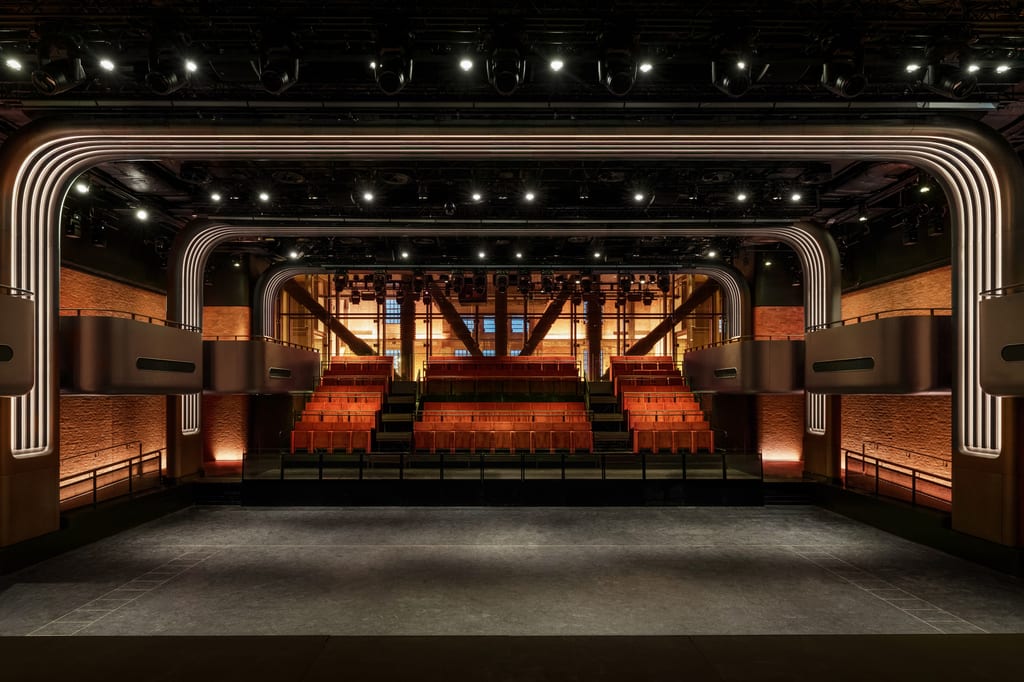
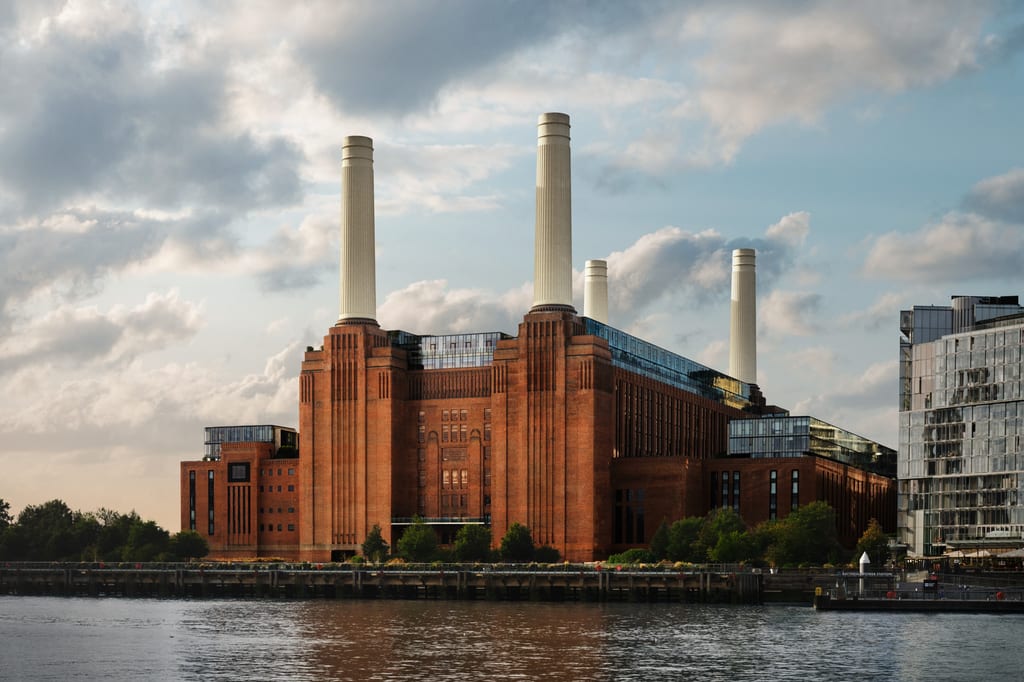
Apple is making a bigger move into live music with the launch of Apple Music Hall, a new 600-capacity venue inside London’s Battersea Power Station.
Designed to bring major production into a considerably more intimate setting, the new space will host one-off performances while giving artists access to technology usually associated with much larger shows.
Sitting alongside the River Thames, Apple Music Hall takes plenty of cues from its surroundings. Heritage brickwork, fluted arches and bronze balconies reference Battersea Power Station’s industrial architecture, while a huge glass wall opens the venue towards the building’s concourse and river beyond.
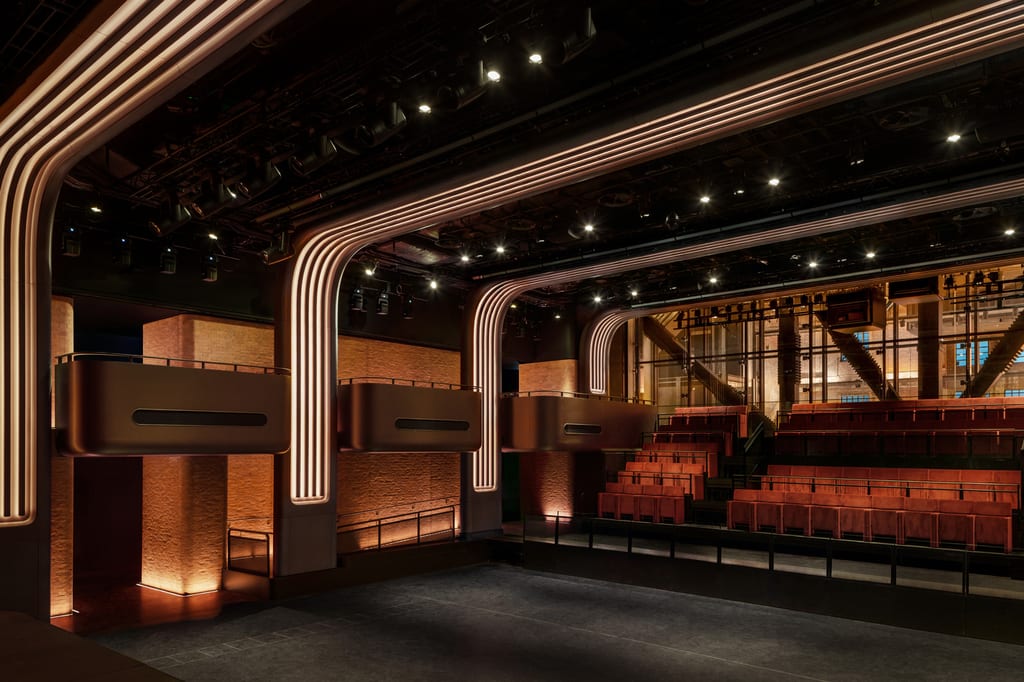
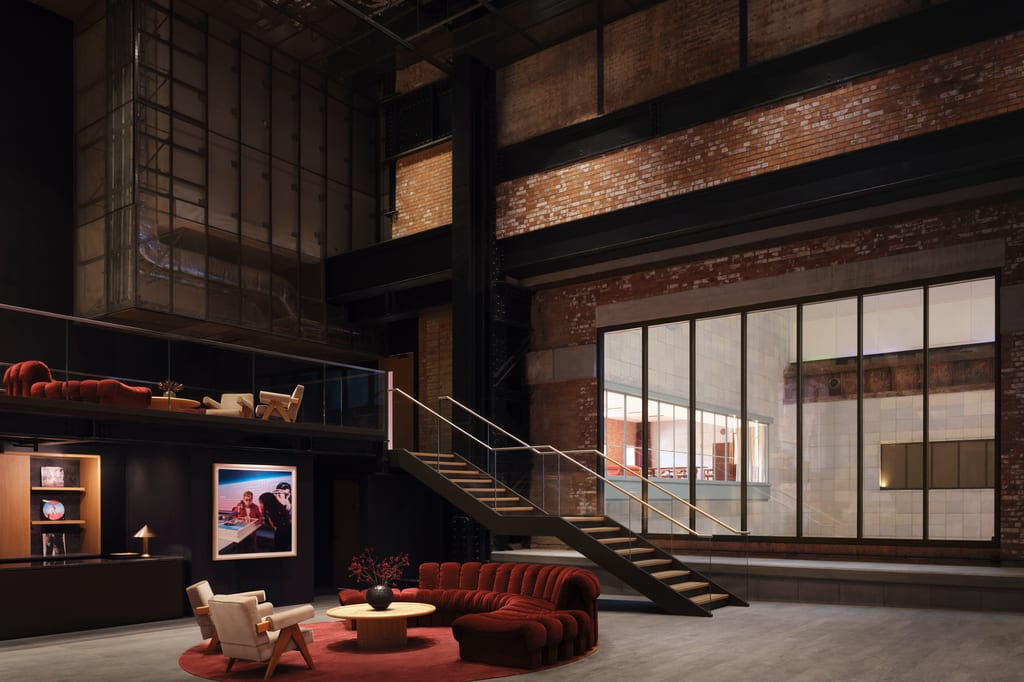
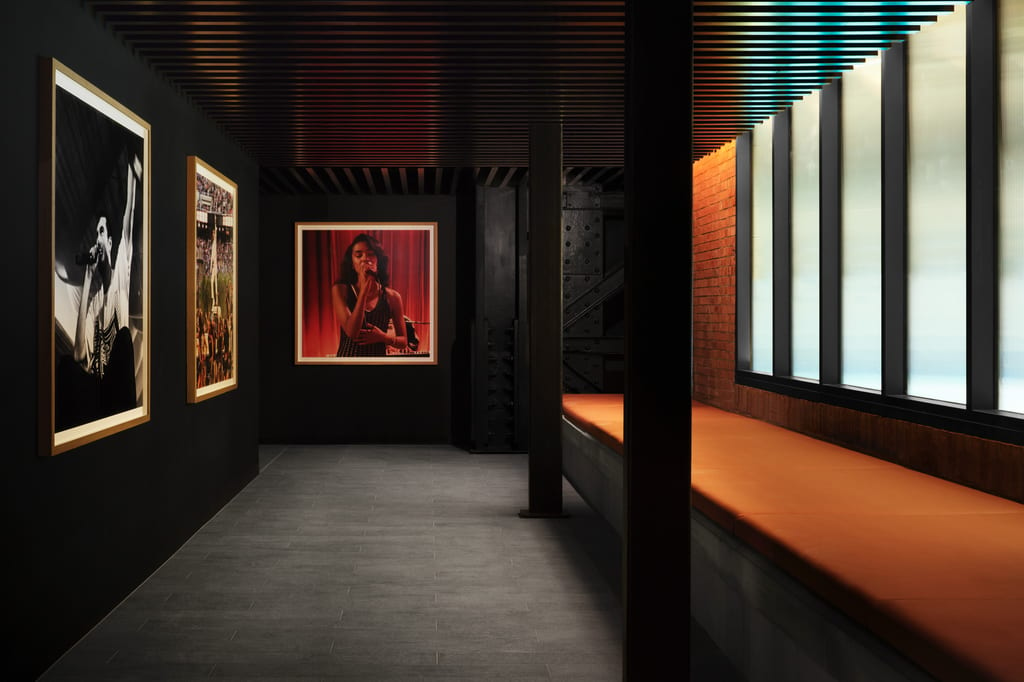
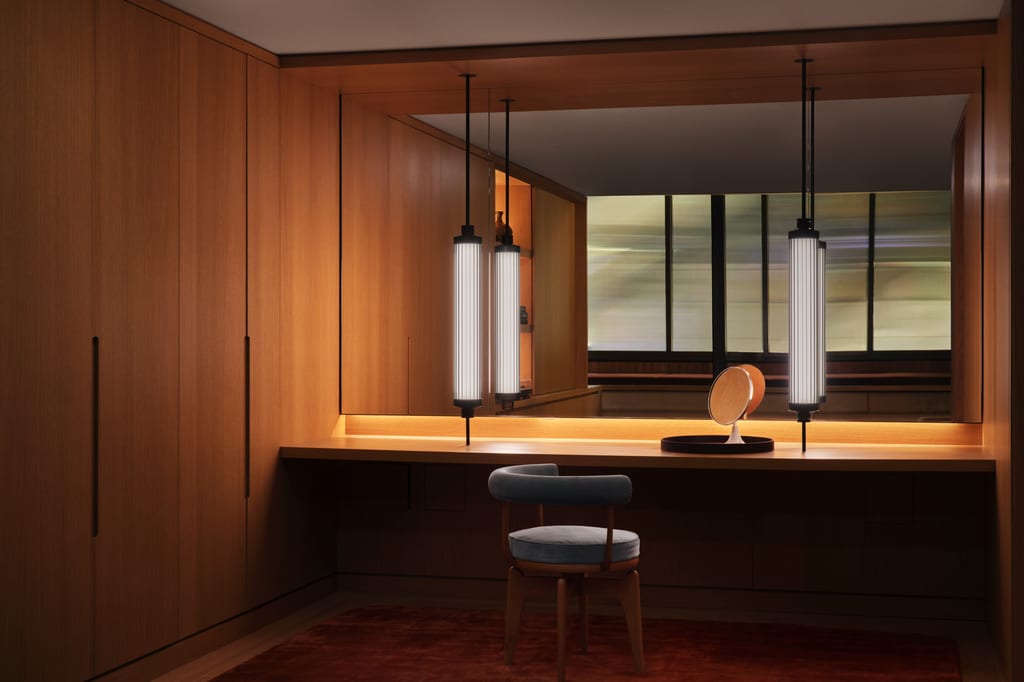
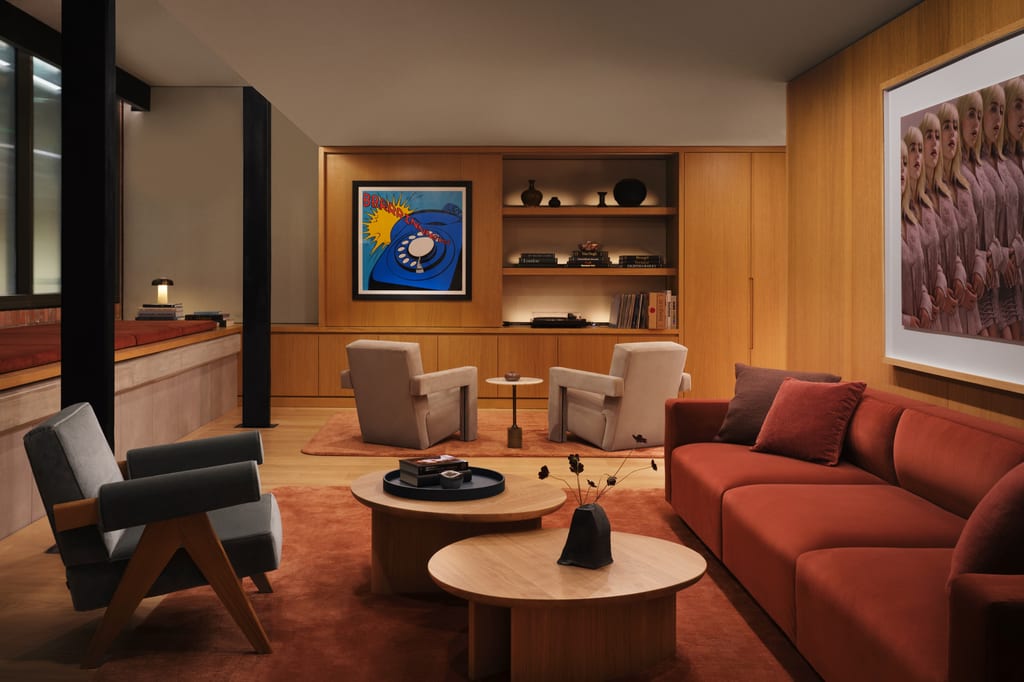
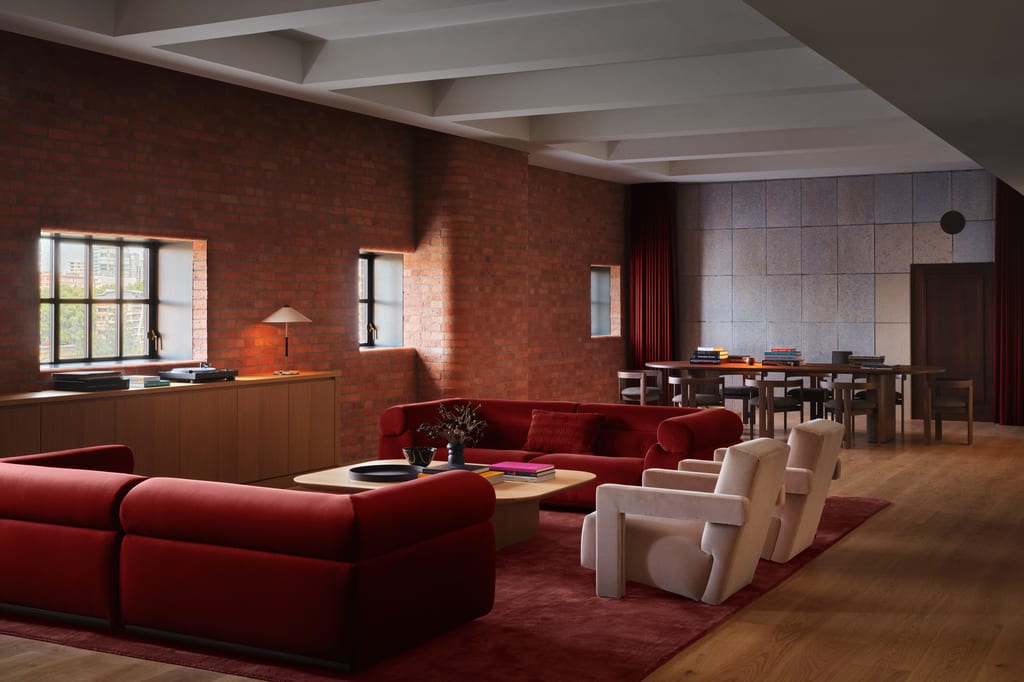
A 38-foot-wide stage can shift between traditional and in-the-round configurations, while a 48-speaker spatial sound system surrounds the audience. It's a venue small enough for every performance to feel intimate, but equipped to accommodate the creative ambitions of artists accustomed to arenas.
Two professional recording and mixing studios allow performances to be captured as multitrack recordings and mixed in Spatial Audio. The venue is also wired for more than 16 cameras, feeding into its own broadcast control room, with iPhones able to capture footage alongside traditional production cameras.
Essentially, an artist could arrive, play to 600 people and leave with a Spatial Audio recording, multicamera footage and a broadcast-ready mix of the performance. Select shows will also be livestreamed internationally, taking performances staged for a relatively tiny London audience to Apple Music listeners around the world.
The opening continues Apple's longstanding relationship with music, following everything from the iPod and iTunes era to the iTunes Festival and eventual arrival of Apple Music.
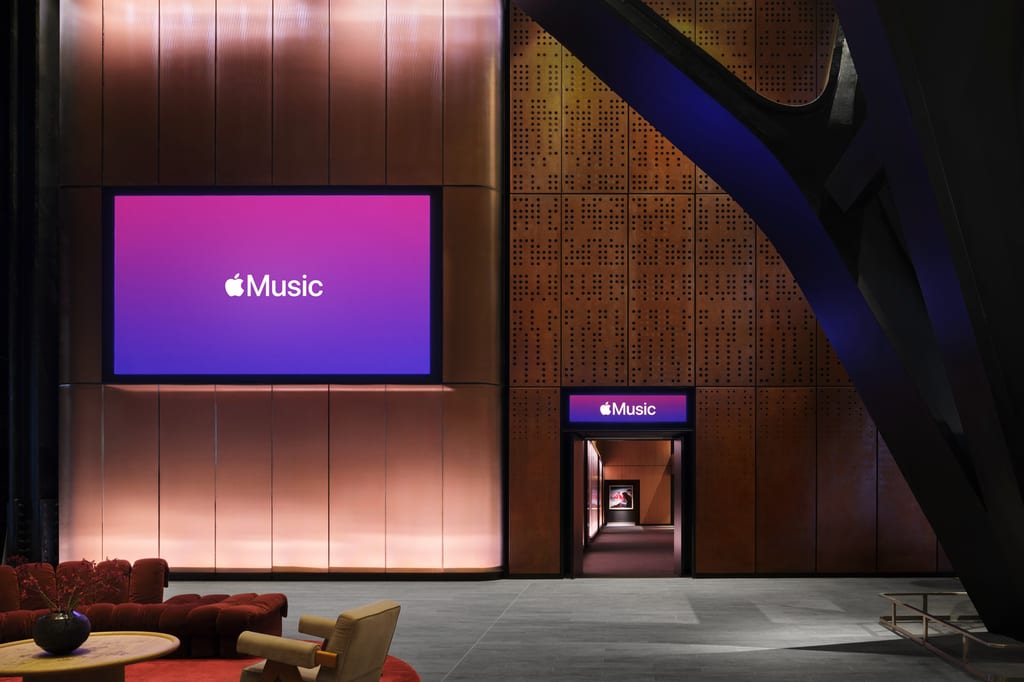
The company is expanding its presence at Battersea beyond the stage, too. Apple Music Radio’s London presenters and programmes will now broadcast from a new collection of studios at the site, bringing another part of its music operation into the former power station.