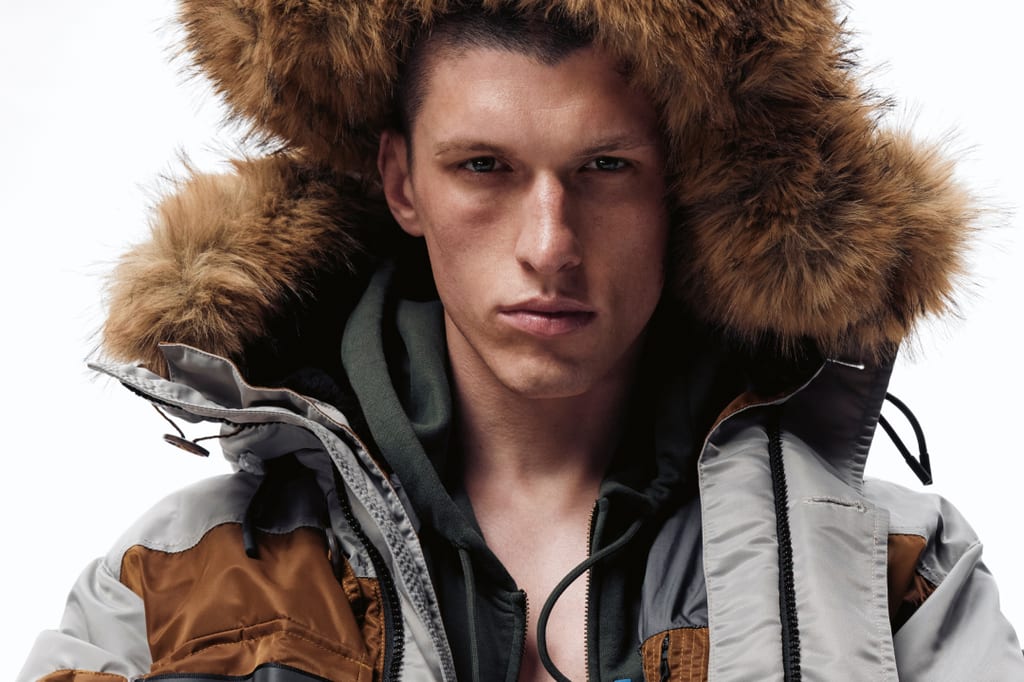


In a tattoo removal process that took years, Pete Davidson reportedly spent $200k to get his ink removed: “I was a sad boy,” he said on Jimmy Fallon. “I’m trying to clean slate it.” Since Davidson’s “tabula rasa” makeover, debuted in a Reformation campaign which launched earlier this month, there’s been a ton of chat about his new look.
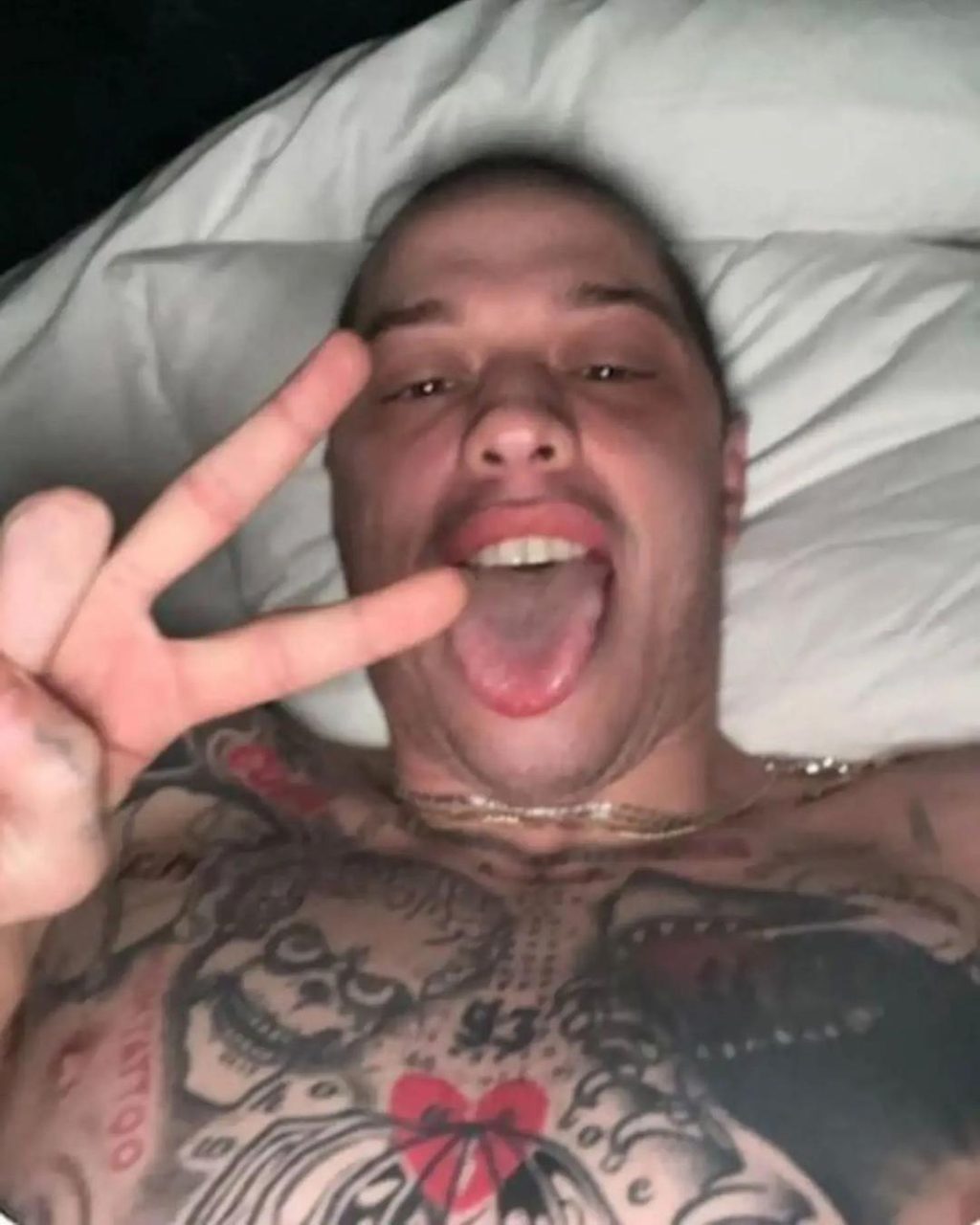
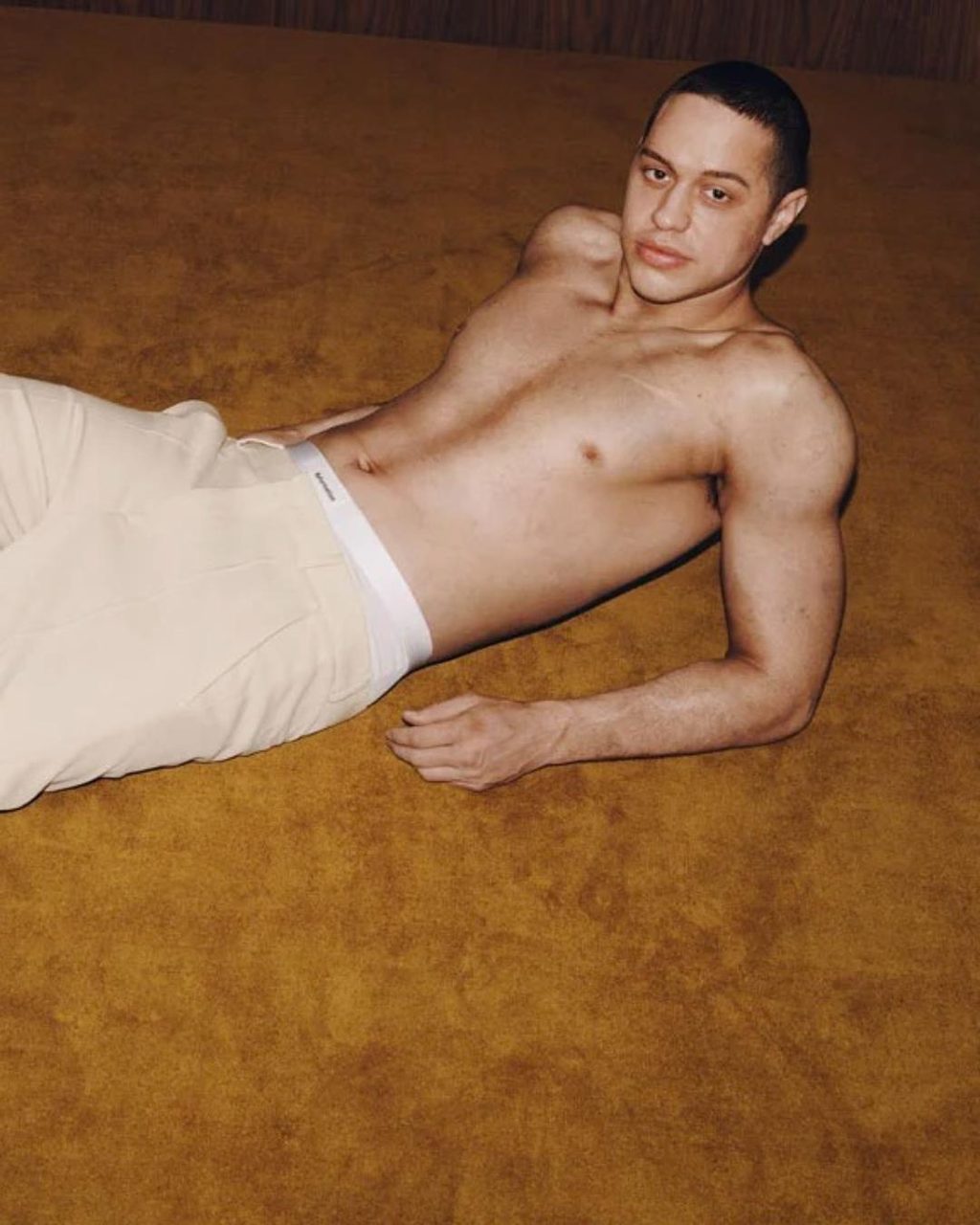
Although this has been a process of removing bad decisions and post-ironic tattoos – “I got the dumbest tattoos,” he said on Seth Meyers’ show – that are no longer relevant to his life and career, Davidson’s transition to a blank slate says a lot about current culture. X user @_artsartsarts said: “Smooth Pete is a fascism indicator btw”. You can argue that’s a bit of a stretch, but does @_artsartsarts have a point?
View on X
Since Trump’s election, there’s been discussion on TikTok about the recent shift in beauty and fashion aesthetics that could’ve predicted his presidency. People are striving for thinness, getting their fillers removed, no-makeup makeup has been on the rise, we’ve transitioned to more “uniform” dressing, the rise of “trad wives”, and now everyone’s getting their tattoos removed. It’s all screaming austerity, Great Depression, tumultuous times.
British influencer Issey Moloney posted an update on her tattoo removal process yesterday, which she’s been undergoing since last year. Another LA-based influencer is doing the same, saying in a TikTok: “My mum was right, I was going to regret them one day.” People commented underneath: “I’ve been seeing so many videos about tattoo removal lately”. Pulse Light Clinic in Manchester and London has seen a 30% rise in tattoo removal inquiries, reported the Sunday Times.
The culture’s moving towards “conservative beauty” standards that reflect the current climate with a general distaste towards self-expression and a rejection of individuality by going back to minimal and industrial fashion, natural hair colours, neutral-coloured nails, and no tattoos.
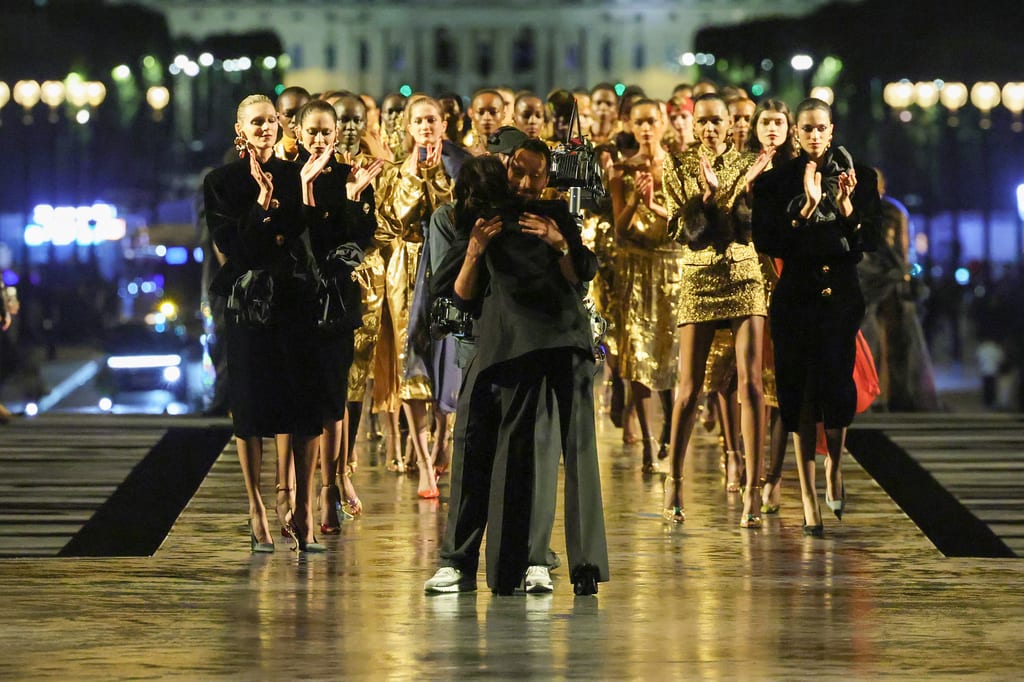
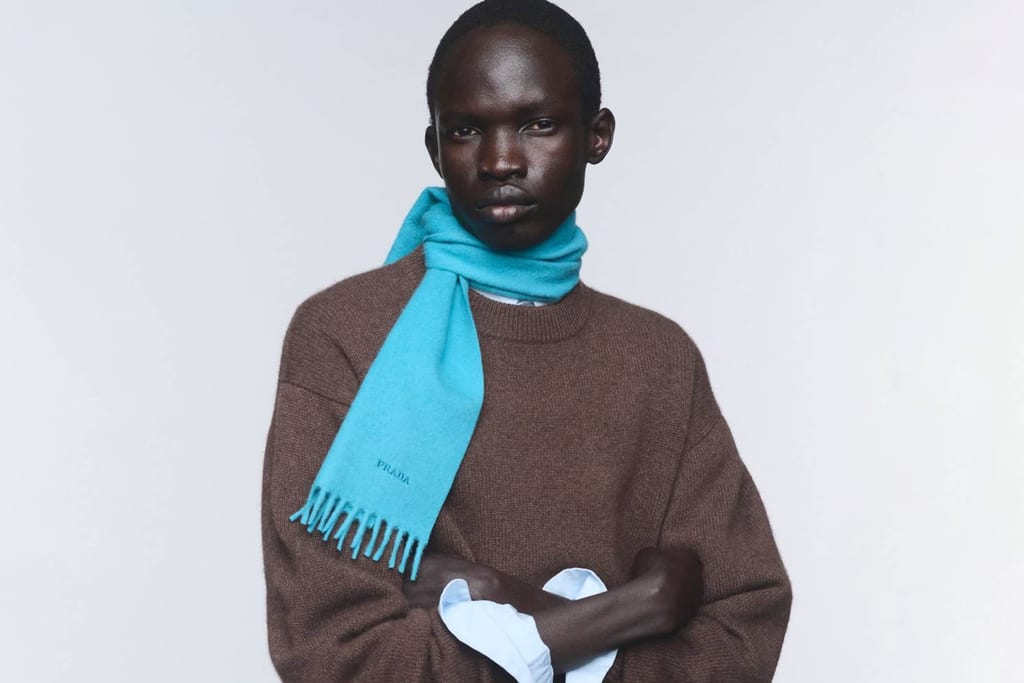
When you notice that Prada kept it super clean and austere with ’40s silhouettes for FW25 womenswear, designers like Simone Rocha (who’s known for her girly maximalist tendencies) stripped it back, Calvin Klein made its comeback on the runway with the most minimal collection and minimal low-key brands took over the Lyst Index for Q4 – well, it’s a sign of the times. The correlation of the rise of tailoring, minimalism, the colour brown and Pete Davidson’s tattoo removals is not a coincidence.
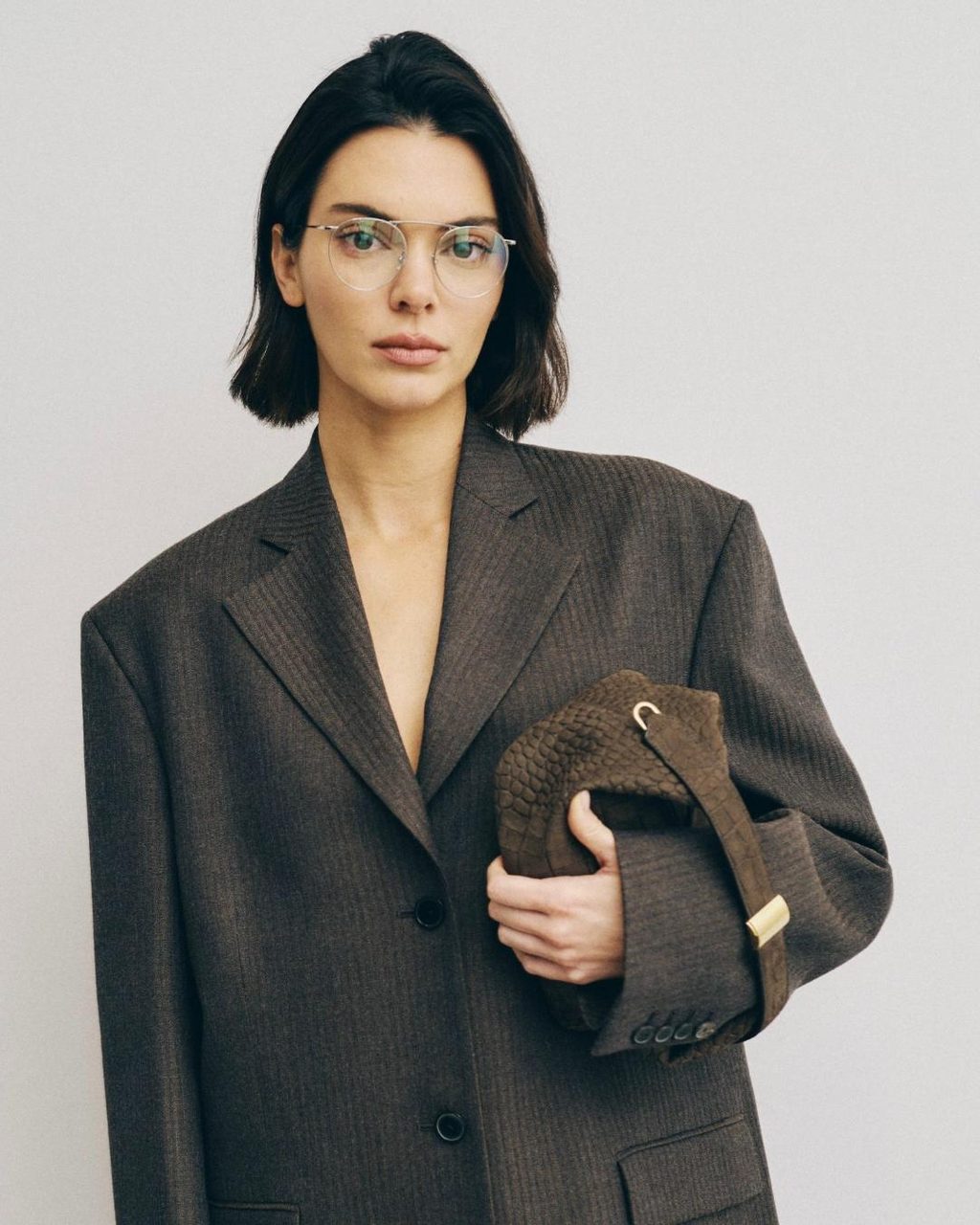
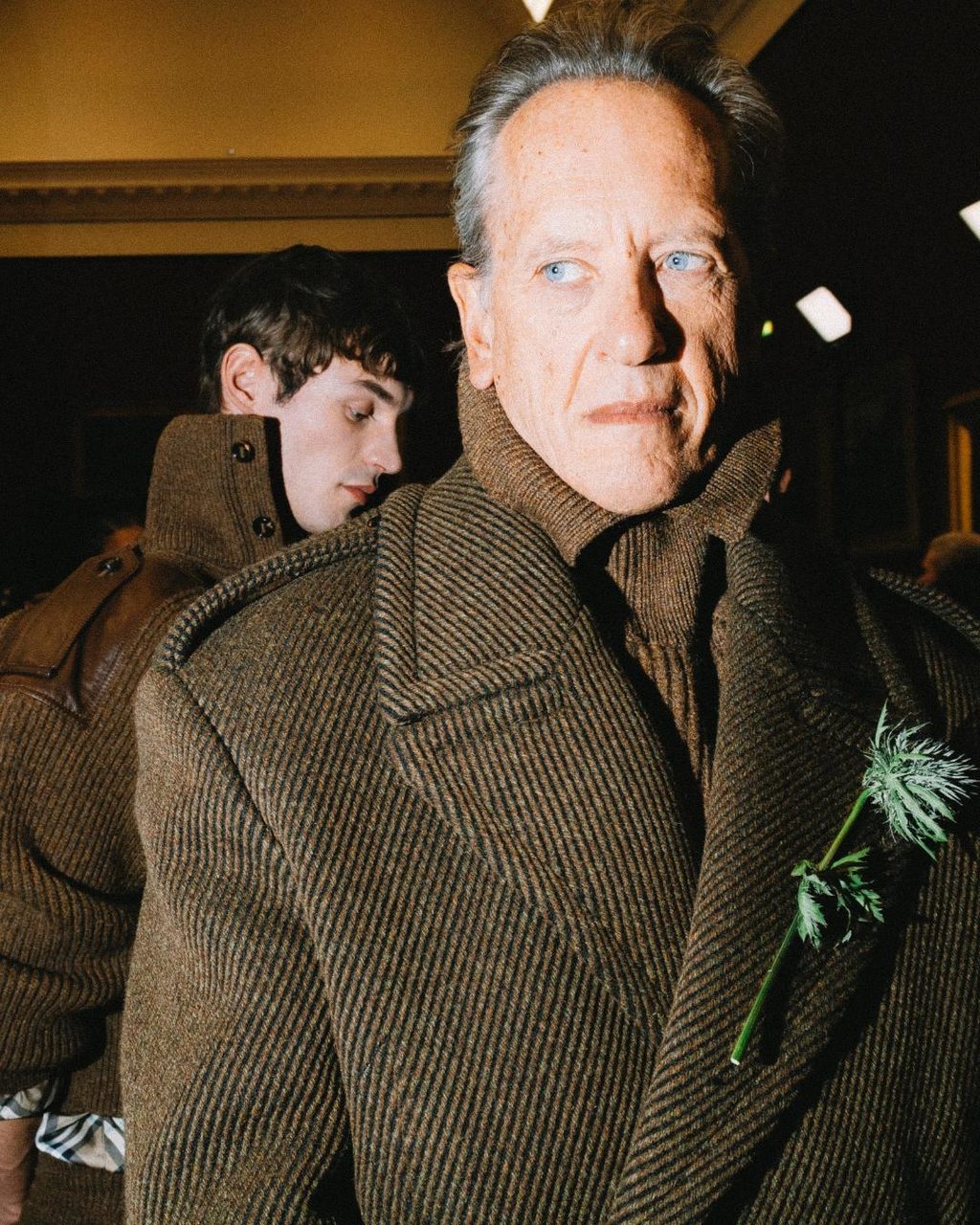
The overwhelm of different trends and aesthetics that we once had, from office siren to blokecore, are now muted into functional, minimalist uniform-esque dressing (from Burberry to Yohji and YSL) – as a nihilistic stance to the current times or bc everyone else is doing it (or bc your tattoos are ageing badly). Anyways, we’re not personally dropping coins on burning off our ink any time soon, but we’re most definitely wearing more blacks and browns.
You could argue that people could just be regretting the tattoos they got, tired of dressing maximalist, not liking their fillers anymore, and are done with dyeing their hair. But, culture surges like these usually nod to something bigger. It’s a trickle-down effect of cultural trends to beauty and fashion. Aesthetics are inherently political, and what was once cool in a more liberal time, now feels aged.
Featured images Reformation©
More on Culted