
How many hobbies do you have that your phone knows nothing about? Activities that you don’t log into an app, share to social media, or measure your progress in using digital metrics? For many of us, hobbies that aren't tied to self-optimization are few and far between.
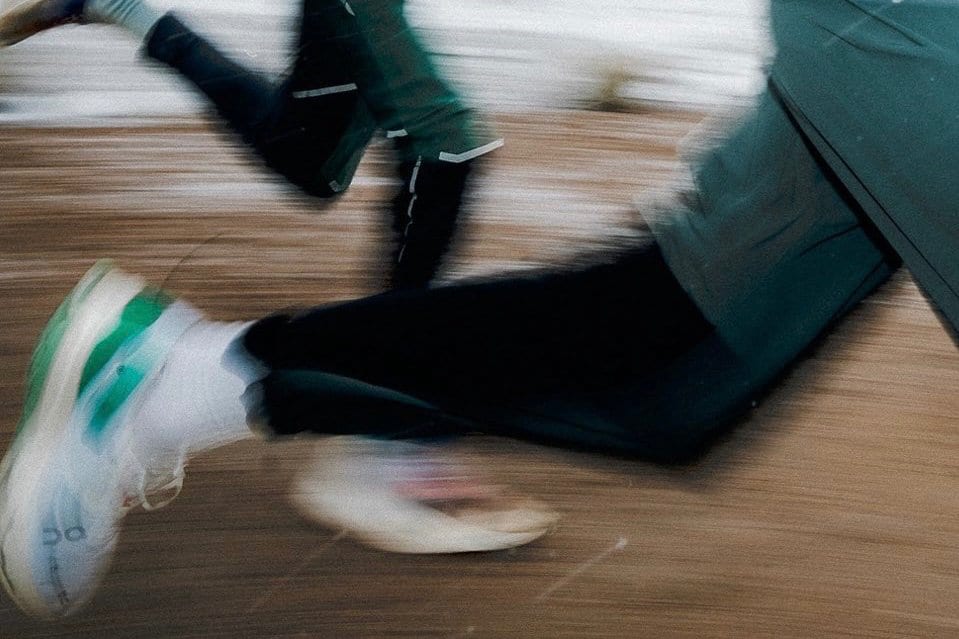
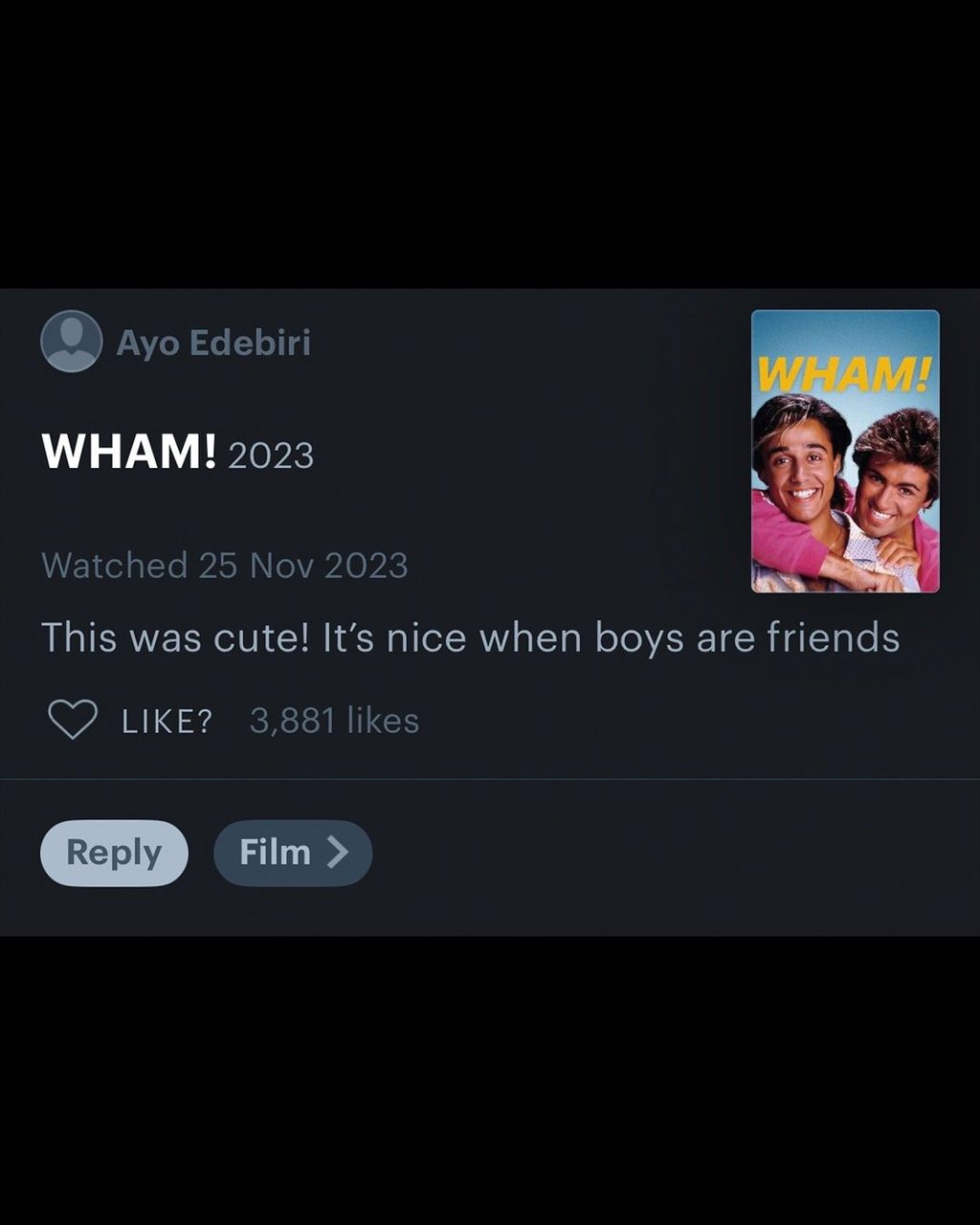
Over the past few years, social-media adjacent apps like Strava, Goodreads, and Letterboxd have gained traction. The former allows runners to log how often and how far they run or cycle: stats that are then visible to their friends on the app, Goodreads lets users track their reading hobbies (down to the page number), while Letterboxed encourages cinephiles to rate and review movies as they watch them. Some apps even measure the quality of our sleep (see: sleepmaxxing), turning rest into something akin to a competitive sport.
The appeal of these apps is understandable: they grant otherwise relaxing hobbies a sense of productivity as they become goals that can be tracked and met. “Feedback from my apps could enhance my motivation and develop my identity in positive ways, bringing me a sense of achievement,” theorises Stephen Butler, a Psychology Professor at the University of Prince Edward Island, Canada, who’s done research into the internet and self-optimization. In our time-poor modern lives tracking our hobbies can also prove helpful, as holding ourselves accountable can encourage us to make time for the things we love.

But at what point does quantifying our hobbies become overwhelming; an obsession with self-optimisation over having fun? “I went off Goodreads for ages because I was competing with myself and I would get in such a spiral about it I wouldn’t read because I was scared to open the app. I have it again now but I don’t use it to track progress, so don’t aim for a certain number of books a year or enter the page numbers in etc because it becomes too much pressure!” Rosie Shufflebottom, a teacher based in London, told us. It’s a take that carries empirical backing. “Research has tended to show that giving external reinforcements or rewards for activities that are intrinsically motivating or inherently satisfying to people tends to decrease their motivation to do them,” explains Butler. In other words, obsessively tracking your hobbies might just drain the fun out of them.
So how did these apps gain such popularity in the first place? Obviously, things like running and reading a highbrow book have always carried a sense of reward and cultural cache. But historically, measuring and sharing our hobbies was confined to good old-fashioned notebooks and name-dropping book titles. Social media, however, grants us a means to log and share our every move. As observed by Butler, “social interaction that emphasizes identity metrics has never been available before.”
It all comes down to capitalism, which has pickled our brains in the idea that hobbies aren't worth pursuing unless they’re money-making (hence the meteoric rise of the side hustle), clout-attaining, or tied to self-improvement. Thanks to a thorny combination of capitalism and social media, at some point over the last decade, people became brands, and sharing that you ran 10k and read Nineteen Eighty-Four became self-marketing. (No wonder we’re lacking time to spend with our friends.)
“Young people’s use and experiences of social media are influenced by the dominant values of the culture…Advanced capitalism places a very high value on achieving social status and social success,” explains Butler. It’s a problem that’s only been compounded by economic crises and social inequality: “Young people have to do better and better, in line with a competitive growth economy, to feel good about themselves and to feel a sense of belonging,” he explains.
All this, unsurprisingly, isn’t exactly Prozac for our mental health. Building a sense of identity according to external metrics has the power to narrow our self-perception, explains Butler, encouraging us to see ourselves as others would, rather than as complex beings. Further, as our progress on these apps is often visible to others, they breed competitiveness, making us more likely to make upward social comparisons (compare ourselves to those performing better than us) and to become reliant on positive reinforcement from others.
It's a take that tracks with the experience of Tamara Southward, a writer based in London. “It feels like running, reading and movies - I.E. personal time with yourself or with the outdoors/a story has a competitive element that can also fuel my OCD or need to prove something…Basically just because you can measure everything doesn’t mean you should,” she surmises. Indeed, according to Butler, “research shows that when young people show a disproportionate emphasis on extrinsic values and goals rather than intrinsic values and goals, their mental health and well-being may be affected in negative ways."
Of course, the apps aren’t all bad. “There are people who may use these platforms in a more dopamine-rush, score-chasing way but I'm hoping more people can experience the joys of considered hobby-documenting & discussion,” says Maria Mukaranda, a writer based in London, who’s currently working on a project on the joys of such applications.
But what can those of us stuck on the productivity treadmill do to hop off? Butler recommends reframing our hobbies as “a chance to take [our] minds off the measurement mania and sometimes intense achievement pressures of modern culture.” Basically, we all need to go touch some grass, and ideally, resist the urge to post about it.
Featured image via @on ©
More on Culted
See: Logo-mania became print-mania on the runway at FW25
See: A$AP Rocky trial update: Rihanna makes an appearance in court and A$AP Relli testifies