
Every April, Milan Design Week transforms the city into a temporary stage for global creativity. Showrooms, courtyards, and historic buildings become exhibition spaces, and for a few days, Milan shifts from a centre of fashion and finance into an environment where ideas about living, making, and aesthetics are explored in real time.
The scale and energy of the event today can make it easy to forget its relatively straightforward beginnings. Milan Design Week grew out of the Salone del Mobile, first established in 1961 as a furniture fair intended to promote Italian manufacturing. In those early years, it functioned primarily as an industry event, focused on commerce rather than culture.
That began to change as designers and brands started presenting work outside the official fairgrounds. These independent exhibitions, now known collectively as Fuorisalone, gradually reshaped the structure of the week. Instead of a single destination, the entire city became involved. It meant the visitors could move between neighbourhoods, with each one offering its own perspective on design.
Today, Milan Design Week operates as a blend of fair trade and cultural festivals. While furniture and interiors remain central, the emphasis has broadened to include installation, performance, and storytelling.
Fashion brands have now played a significant role in this evolution. Their participation reflects a wider understanding of design as something that extends beyond clothing into environments, objects, and sensory experiences. This year, that crossover is clearly visible.
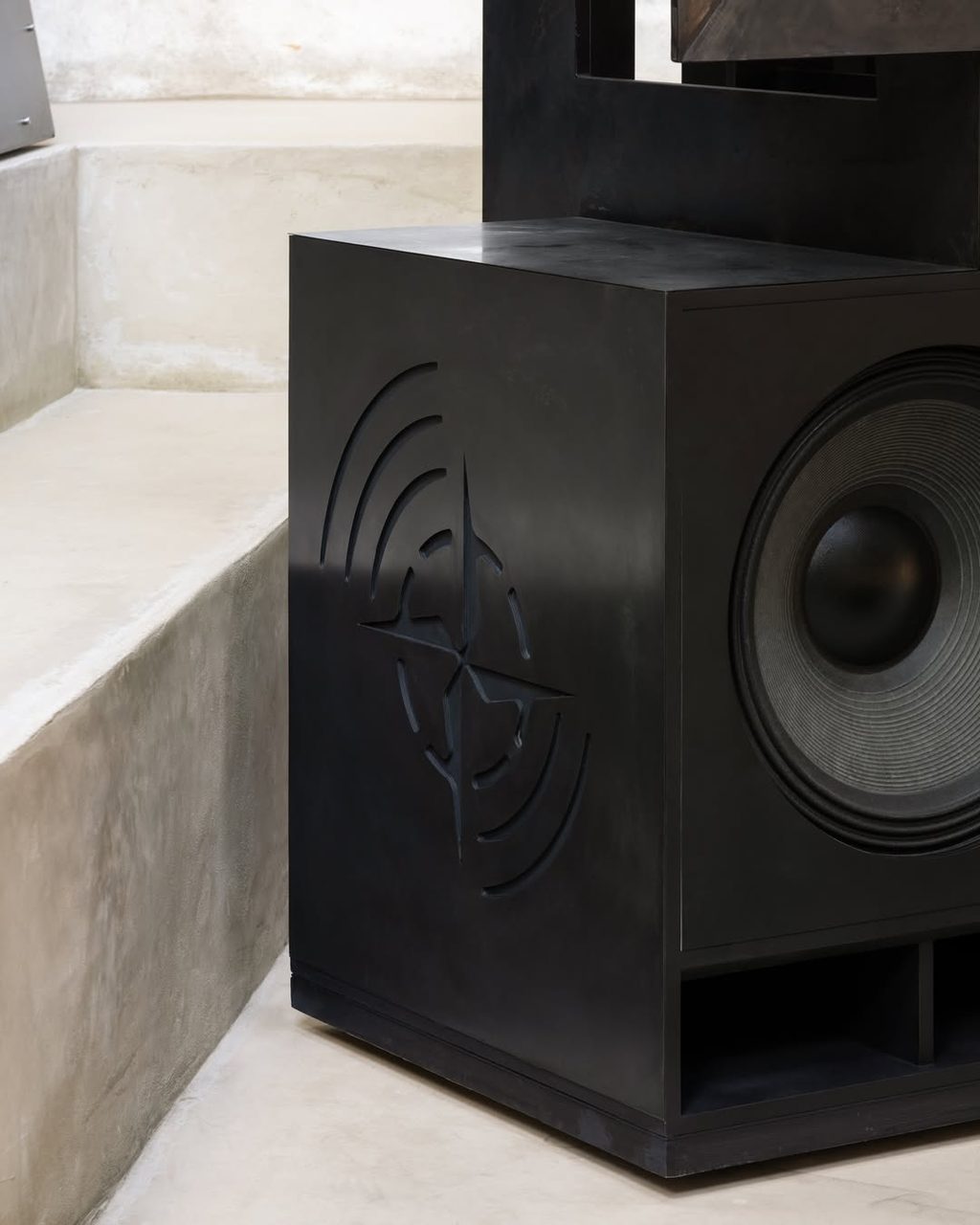
Aesop presents a quiet, immersive installation built around scent and atmosphere. Visitors move through a sequence of dimly lit rooms where fragrance shapes the experience. Rather than focusing on individual products, the brand creates a setting that mirrors its retail philosophy, suggesting that design can influence even the smallest daily rituals.
A more conceptual approach comes from Maison Margiela, whose installation appears deliberately incomplete. Furniture is shown in a state of exposure (frames visible, surfaces unfinished) to encourage visitors to consider the process behind the objects rather than their final form. It reflects the house’s longstanding interest in deconstruction and reinterpretation.
With Yohji Yamamoto, the focus shifts toward mood and minimalism. Working almost entirely in black, the installation uses light and textile to create shifting shadows and soft boundaries. The result is understated but immersive, inviting a slower, more reflective engagement with the space.
In contrast, Guess adopts a more expressive visual language. Its presentation draws on a stylised vision of 1990s Los Angeles, combining glossy surfaces, neon lighting, and denim textures. The installation translates the brand’s identity into an interior environment that feels both nostalgic and forward-thinking.
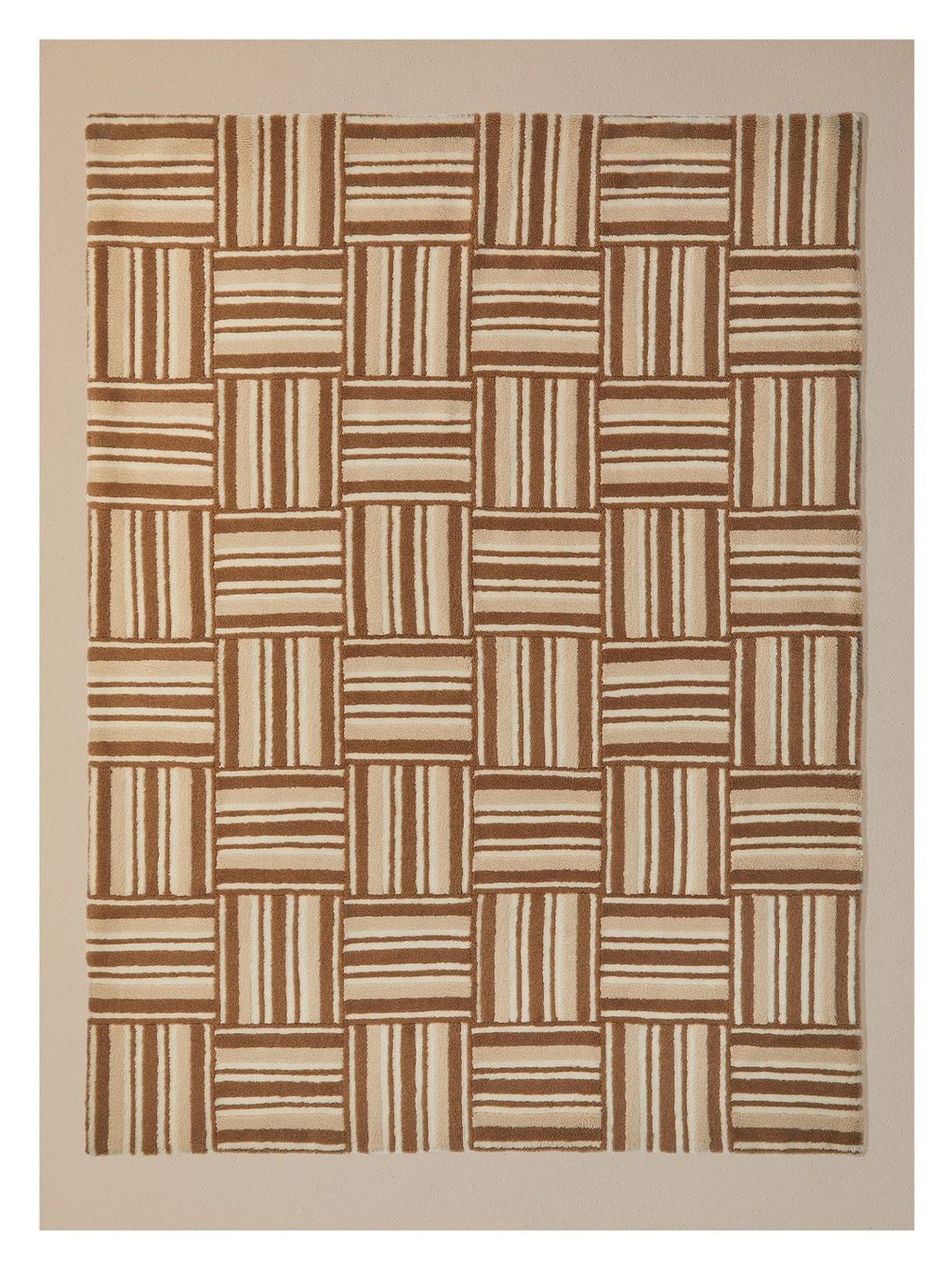
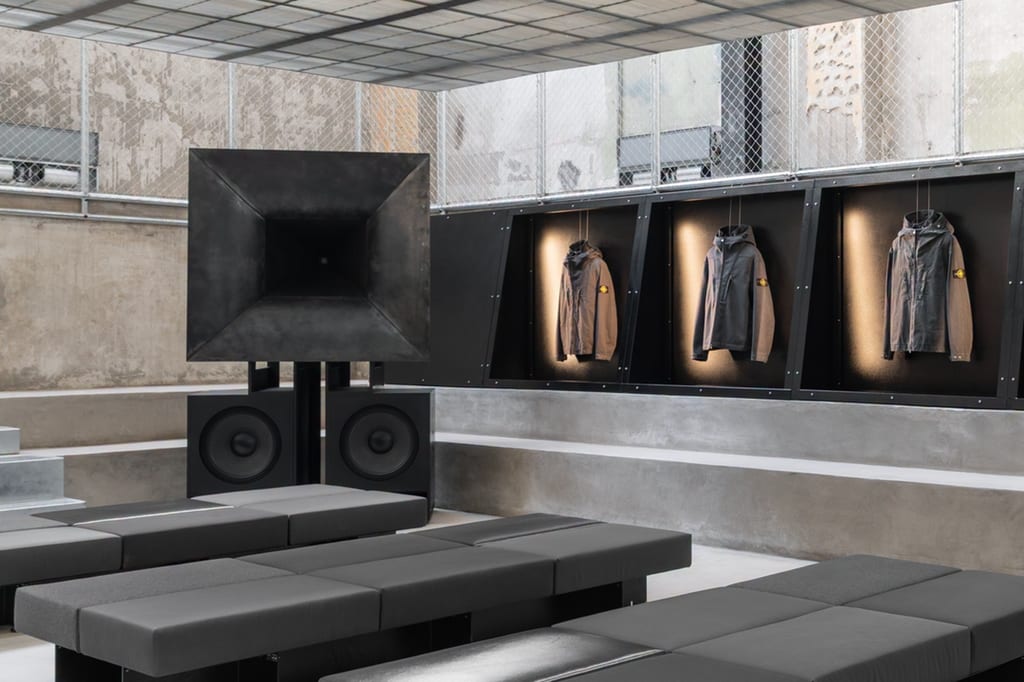
Material experimentation defines the contribution of Stone Island. Known for its textile research, the brand creates an interactive space where fabrics respond to light and movement. Visitors are encouraged to engage directly with the materials, highlighting the technical processes that underpin the final product.
A related interest in transformation appears in the collaboration between C.P. Company and Alessi. Their project reinterprets everyday domestic objects through industrial treatments more commonly associated with garments. Familiar forms are altered through surface and finish, creating a dialogue between fashion and product design.
For Loro Piana, the emphasis is on tact and restraint. Its installation centres on the sensory qualities of natural fibres, with spaces defined by softness rather than structure. The experience is deliberately subtle, reinforcing the brand’s focus on material excellence over visual excess.
Gucci continues its exploration of interiors with a collection of design objects that blur the boundaries between furniture and art. Rooted in craftsmanship, these pieces extend the brand’s aesthetic into the domestic sphere while maintaining a strong narrative identity.
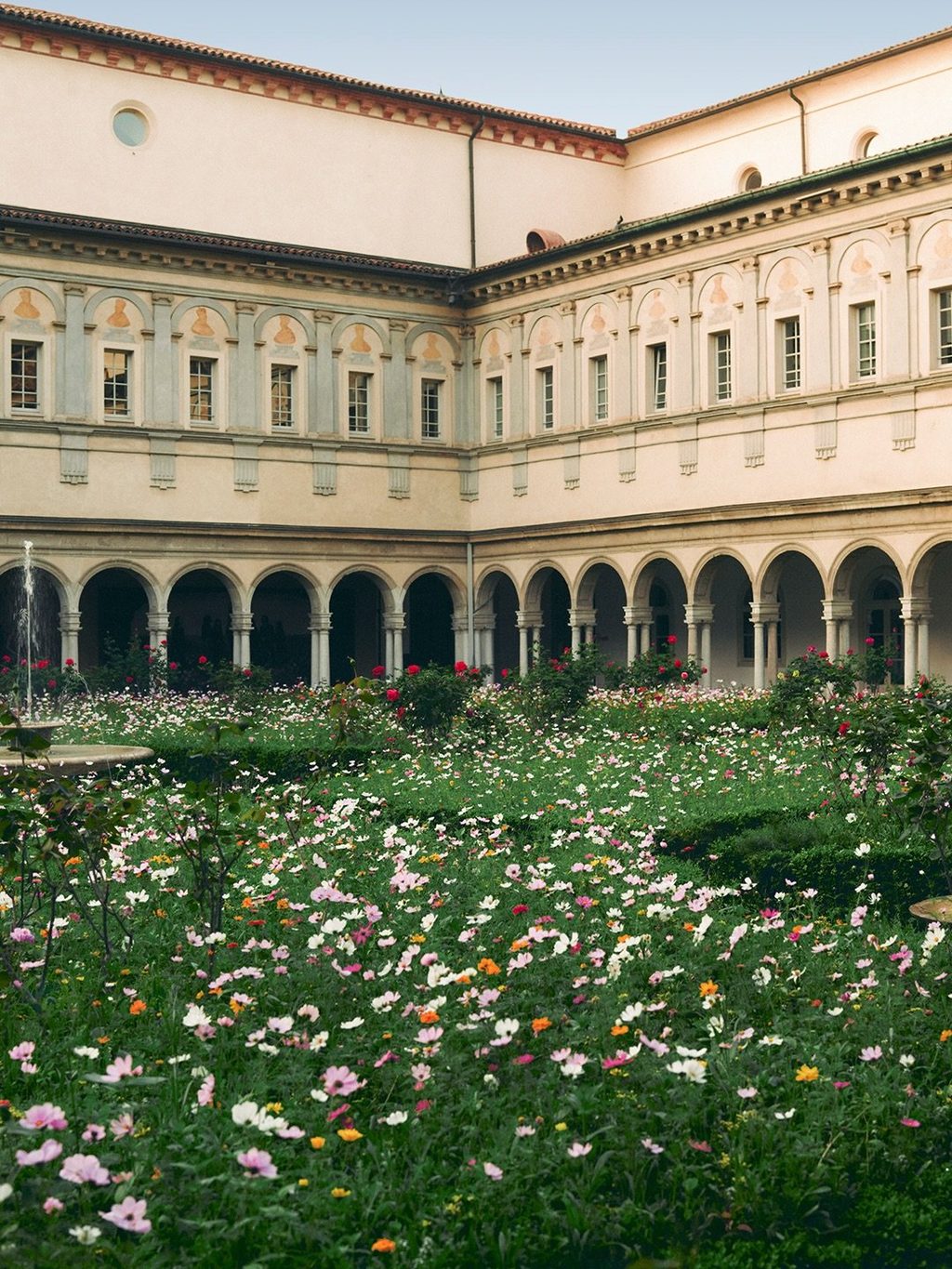
Meanwhile, MCM takes a more playful, contemporary approach. Its installation focuses on mobility, presenting modular living concepts where travel goods transform into functional furniture. The result reflects a lifestyle shaped by movement and adaptability.
Taken together, these projects illustrate how Milan Design Week has evolved beyond its origins as a furniture fair. It now serves as a platform for experimentation across disciplines, where brands use design to communicate ideas rather than simply display products.
Milan Design Week, then, is less about defining trends and more about opening conversations. It offers a snapshot of how design continues to expand, crossing boundaries and redefining itself. What remains constant is the city itself, which each year becomes a backdrop for new ways of thinking about how we live and interact with the world around us.
More on Culted
See: Drake has frozen his ‘Iceman’ release date in Toronto
See: You need to check out Bottega Veneta’s new ‘For The Arts’ collaboration series