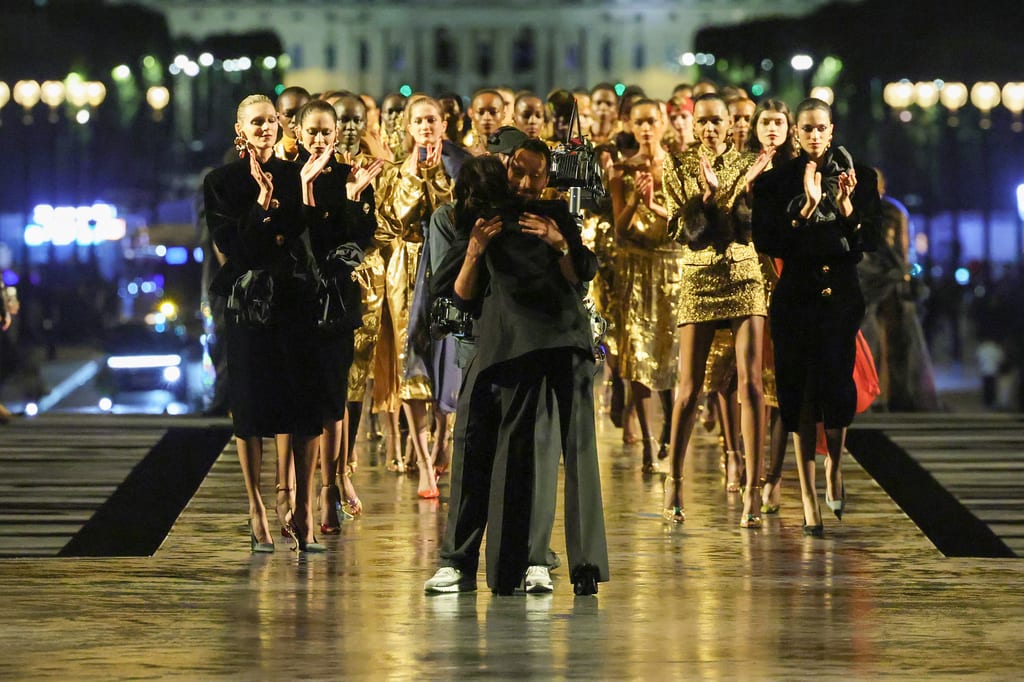


There’s been Midsommar, Hereditary, and Jordan Peele’s filmography in recent years, but it feels like the end of 2024 was a horror renaissance fr. In the span of a few months we got MaXXXine, The Substance, Nosferatu and Heretic – all box office hits that have really resonated with the current culture.
Horror films have been snubbed at movie awards throughout cinema history, and are usually seen as unserious cinematography (even though there’s so much talent, potential and political commentary in the genre).
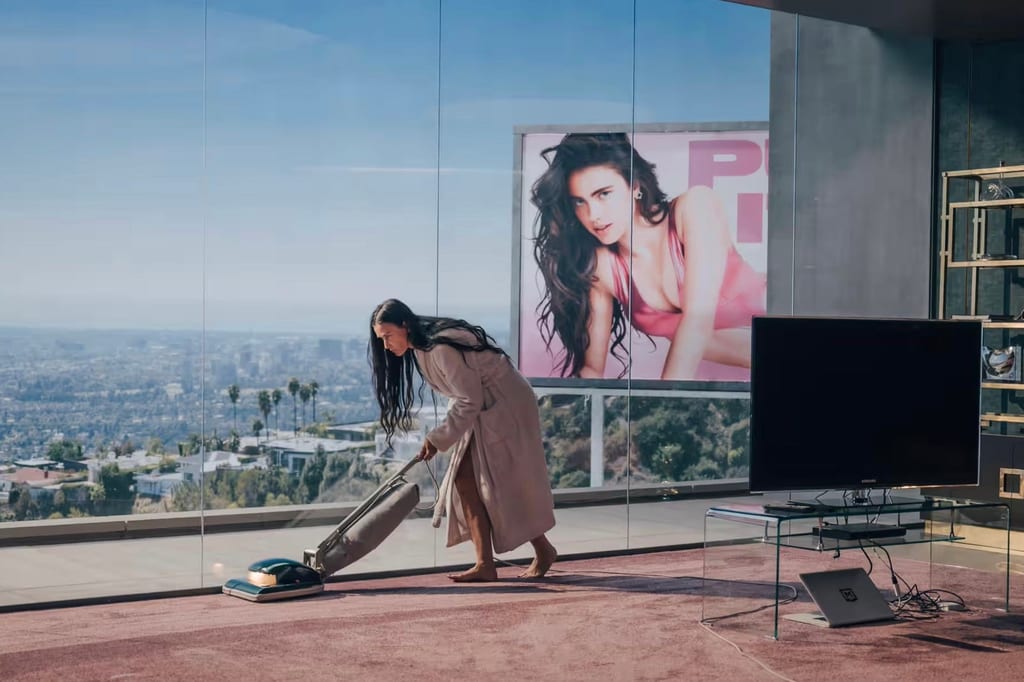
But with The Substance being so relevant in the zeitgeist – Demi Moore’s performance brought new life to her career and won her a Golden Globe (the first Best Actress win for a horror film in 14 years) – Nosferatu flooding our TikTok FYPs, and a remake of American Psycho in the works, there is a general excitement for gore and the horror genre.
Horror movies tend to get more popular during stressful times – reflecting present anxieties and making us face them. Famous horror films Frankenstein and Dracula were both made during the Great Depression of the 1930s; the early 1990s recession was parallel with the releases of Candyman, Misery, The Silence of the Lambs and Bram Stoker’s Dracula; the recession of the 2010s gave us American Horror Story.
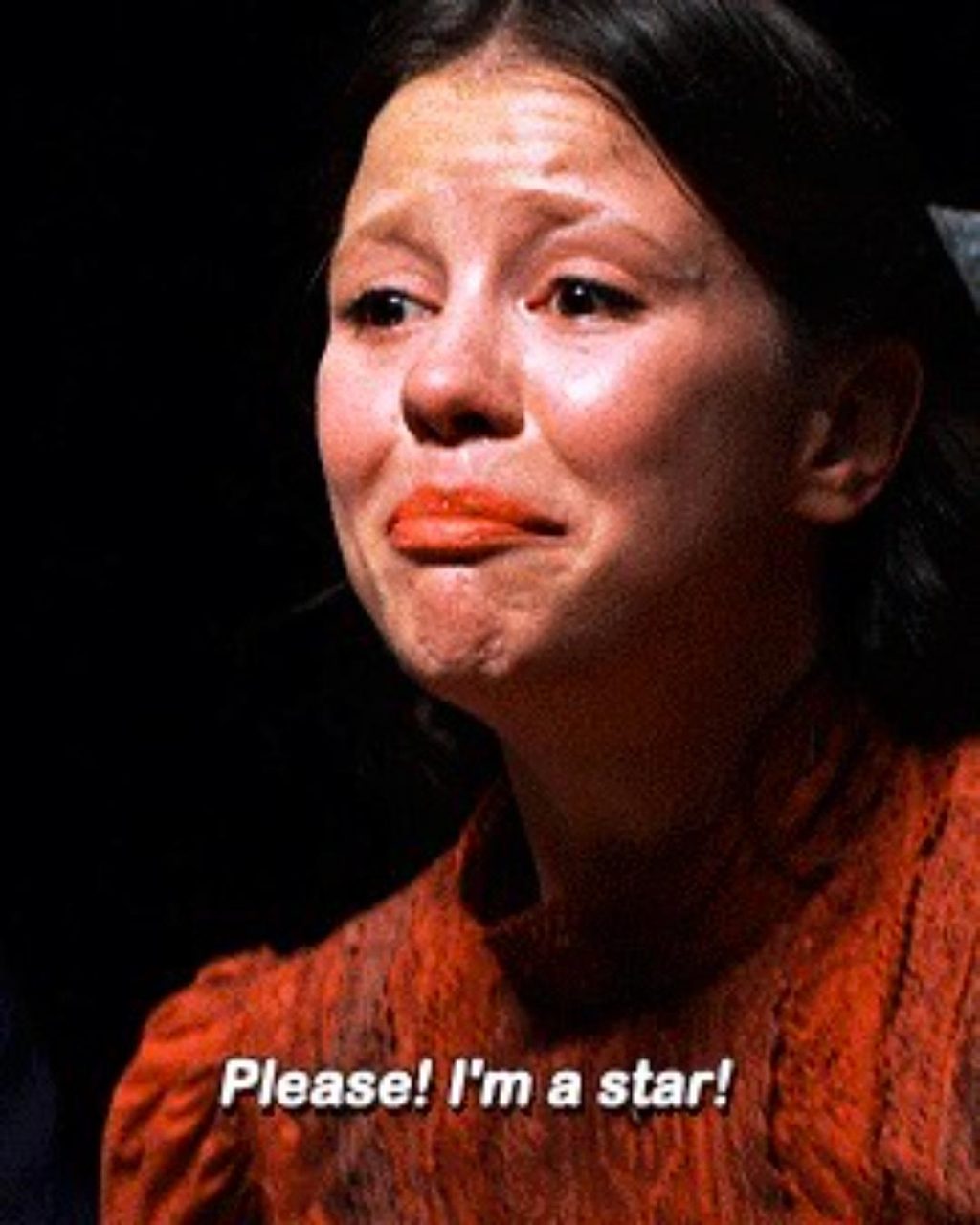
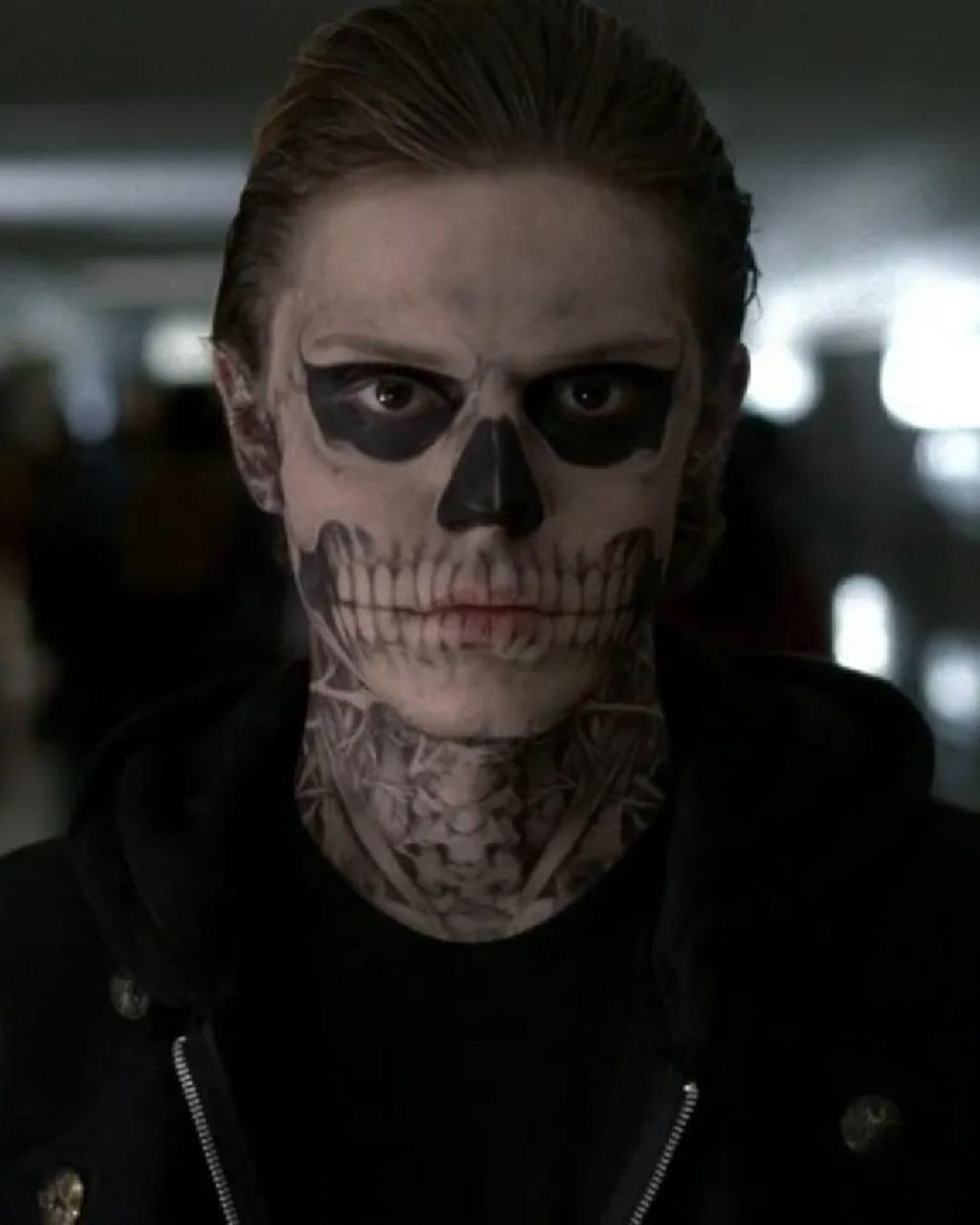
In the uncertain 2020s, we’ve seen the rise of true crime, slasher films like Pearl, and indie horror mags like Phantasmag. In a recent interview, The Substance director Coralie Fargeat said that horror films are “so political” – in an age of political turmoil and collective discomfort we can confront our fears in the cinema.
Featured image Universal©
More on Culted